








10 Home Remedies for Canker Sores
Every busy modern person has probably experienced stomatitis, which is an unwelcome disease during seasonal changes or on days with large daily temperature differences. In particular, stomatitis, which causes white inflammation in the mouth, is a very common disease experienced by 20 to 40% of the population, and many people suffer from stomatitis. If stomatitis or stomatitis occurs like this, the pain will continue until it disappears, causing a lot of discomfort in your daily life. Let’s learn about stomatitis, how to get rid of tongue stings, and the causes and symptoms of stomatitis.
What Is a Canker Sore?
Recognizing Early Signs of Canker Sore
10 Remedies Effectively Alleviate Canker Sores
Tips for Long-Term Oral Health
Natural Products for Canker Sores
What Is a Canker Sore?
Stomatitis is a general term for inflammation that occurs in areas related to the oral cavity and refers to all inflammations that appear on the lips, mouth, and tongue. Stomatitis is divided into ‘infectious’, which occurs due to infection with bacteria or viruses, and ‘non-infectious’, which occurs when the immune system is weakened due to overwork or stress, or due to external stimuli such as biting the tongue. Types of stomatitis include aphthous stomatitis, viral stomatitis, fungal stomatitis, and traumatic stomatitis. Stomatitis can vary in size, shape, and healing time. It may be painful and may make eating and talking difficult.
The exact cause of stomatitis is not known, but some possible factors that can cause it include fatigue, stress, as well as vitamin C, B12, and iron deficiencies. Bacterial and viral infections can also occur in wounds that occur when chewing your cheek or eating hot food in a hurry. Canker sores are not contagious and most canker sores clear up on their own within one to two weeks, but some last longer or persistent canker sores may require treatment. Over-the-counter oral gels and ointments can help relieve pain and discomfort. If abnormally large or persistent ulcers occur or other symptoms such as fever occur, it is recommended to consult a specialist to receive a proper diagnosis and appropriate treatment.
Recognizing Early Signs of Canker Sore
Although canker sores often occur without warning, some people may experience certain early signs before the sores actually appear. It is important to note that not everyone experiences these early signs and the severity of symptoms can vary. Additionally, some people may not recognize the early stages and only discover it after the canker sores become more noticeable. Recognizing these signs can help you take preventive measures or manage your condition more effectively. Early signs of stomatitis include:
- You may experience a tingling or burning sensation in the soft tissues inside your mouth, especially the lips, cheeks, tongue, gums, or roof of the mouth.
- The area may appear red and slightly swollen before an actual ulcer develops.
- When eating or talking, you may feel slight irritation or discomfort in the area just before stomatitis occurs.
- In some cases, small bumps or raised areas may appear where stomatitis will later appear.
10 Remedies Effectively Alleviate Canker Sores
Although canker sores usually clear up on their own, you can try a variety of home remedies to relieve symptoms and promote faster healing. Here are 10 treatments that may be effective:
1. Salt water rinse
Gargling with warm salt water can help reduce inflammation and relieve pain. Mix 1 teaspoon of salt in a cup of warm water and use it as a mouthwash several times a day. It can reduce inflammation and bacteria.
2. Baking soda rinse
Mix baking soda and a small amount of water to make a paste and apply directly to the canker sores. Alternatively, you can make a baking soda mouthwash by dissolving 1 teaspoon of baking soda in a cup of warm water. It can reduce inflammation and bacteria.
3. Use gargle
Gargling after brushing your teeth has the effect of suppressing bacteria in the mouth and preventing inflammation from growing. Using gargles containing ingredients such as lidocaine, benzocaine, or diclofenac can help reduce pain. Gargles containing alcohol should be avoided as they can irritate the mouth.
4. Honey
Apply a small amount of honey directly to the canker sore. Honey has natural antibacterial and wound healing properties.
5. Coconut oil
Coconut oil helps relieve pain and promote healing. Apply a small amount directly to the canker sore area or use as an oil pulling method.
6. Aloe vera gel
Known for its healing properties, aloe vera gel can be applied directly to canker sores to relieve symptoms. Use pure aloe vera gel without any added chemicals.
7. Drug therapy
Using over-the-counter topical ointments or gels containing ingredients such as benzocaine or lidocaine can numb the area and provide temporary relief.
8. Licorice root extract
Rinsing your mouth with licorice root extract may help reduce inflammation and promote healing.
9. Vitamin E oil
Applying vitamin E oil directly to canker sores may help speed the healing process.
10. Avoid spicy foods:
Spicy and salty foods that irritate the mucous membrane can cause further pain, so soothe your mouth with a diet that focuses on fresh, non-irritating foods.
Tips for Long-Term Oral Health
Long-term oral health is important to your overall well-being, especially as you age. Here are some tips for maintaining long-term dental health:
- Schedule regular dental checkups and cleanings with your dentist. A professional cleaning can help prevent gum disease and identify potential problems early. Your dentist will check for signs of oral disease, such as gum disease, oral cancer, and dry mouth, and provide appropriate treatment or recommendations. can.
- Brushing your teeth with fluoride toothpaste and dental floss twice a day helps remove plaque and prevent cavities and gum disease. Use a soft toothbrush to carefully brush all surfaces of your teeth, including your tongue. Flossing helps remove plaque and debris between teeth where a toothbrush can't reach. Get into the habit of flossing daily to maintain healthy gums and prevent cavities.
- Drink plenty of water throughout the day. Water helps wash away food particles and bacteria and is beneficial to your overall health. Drinking water helps keep your mouth moist and flushes out food particles and bacteria. Dry mouth can cause bad breath, cavities, and gum disease. If you have dry mouth, you can use sugar-free gum, lozenges, or sprays to stimulate saliva production.
- Acidic foods and drinks can erode tooth enamel over time. Limit your intake of acidic foods such as citrus fruits, soda, and vinegar. Avoid sugary and acidic foods and drinks, which can damage your teeth and gums. Choose foods rich in calcium, phosphorus, vitamin C, and vitamin D, which are essential for strong bones and teeth.
- Smoking is an important risk factor for gum disease and oral cancer. Quitting smoking can provide a variety of health benefits, including improved oral health. Tobacco products can stain teeth, damage gums, and increase the risk of oral cancer.
- Take supplements if necessary. Some people may have nutritional deficiencies that can affect their oral health. For example, low levels of vitamin B12, folate, zinc, or iron can cause mouth ulcers, inflammation, or infections.
Natural Products for Canker Sores
Since stomatitis can be caused by stress, fatigue, decreased immunity, etc., taking additional nutritional supplements below may be helpful.
Zinc: Zinc is a mineral necessary for the normal functioning of the immune system. Zinc deficiency can cause stomatitis and slow healing. It is recommended to take nutritional supplements containing zinc or eat lean meat or seafood rich in zinc.
Vitamin B group: Vitamin B is a nutrient necessary for energy production, metabolic activity, and antioxidant activity. Vitamins B2, B6 and B12, which are part of the B vitamins, are effective in relieving and preventing the symptoms of stomatitis. It is recommended to take a comprehensive nutritional supplement containing vitamin B or eat foods rich in vitamin B.
Vitamin A: Vitamin A strengthens the body's resistance, promotes cell regeneration, and helps improve immunity.
Propolis: Propolis is a substance used by bees to protect their hives, and is known to have antibacterial, anti-inflammatory, antioxidant, and immune-strengthening effects. Propolis relieves the symptoms of stomatitis and helps maintain oral health. It is recommended to use nutritional supplements or oral solutions containing propolis.
Vitamin C: Vitamin C is a nutrient that strengthens immunity and reduces inflammation. A lack of vitamin C can cause stomatitis. It is recommended to take nutritional supplements containing vitamin C or eat fruits or vegetables high in vitamin C.
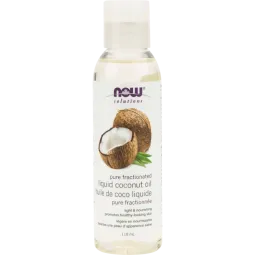
Liquid Coconut Oil, Pure Fractionated, 118 mL
Product Code : NOW87699
100% Pure Fractionated Oil Light and Nourishing Won't clog pores For Dry Skin and Hair treatment Comprehensive Moisturization
- -15%
- -15%
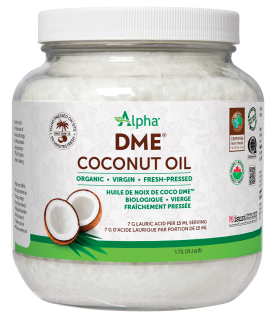
DME™ Raw Organic Virgin Coconut Oil 1.75 L
Product Code : APH20241
Made with DME® Organic Virgin coconut oil, the highest quality, freshest, fairest, and most future friendly coconut oil in the world. Perfect for oil pulling: helps kill bad bacteria while keeping good bacteria. Available in 110ml Organic Peppermint, Pineapple, and Lemon flavour. Great for...
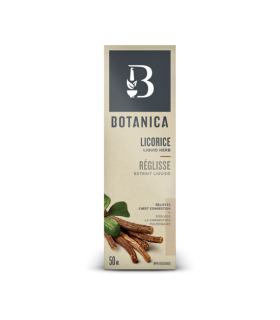
Licorice Liquid Herb 50 mL
Product Code : BOT90047
When cough and congestion hold you back from taking on your day, Botanica Licorice Liquid Herb is an adaptogenic herb that strengthens the endocrine system and supports lung and respiratory function. It has a soothing, anti-inflammatory effect and acts as an anti-viral agent against colds and...
- Out-of-Stock
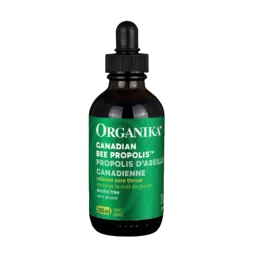
Bee Propolis - Liquid Alcohol Free 100 ml
Product Code : ORG02187
Bee Propolis is a potent antimicrobial agent that bees use to protect their hives. We harnessed its power to create an immunity supporter that's second to none at fighting infections and inflammation, like sore throats. Locally sourced in the Okanagan Valley, BC, our bee propolis has a unique...
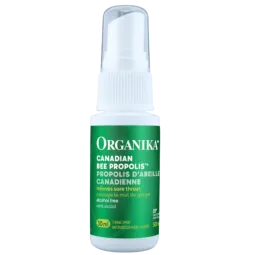
Bee Propolis Throat Spray Alcohol Free 30 ml
Product Code : ORG02179
Bee Propolis is a potent antimicrobial agent that bees use to protect their hives. We harnessed its power to create an immunity supporter that's second to none at fighting infections and inflammation, like sore throats. Locally sourced in the Okanagan Valley, BC, our bee propolis has a unique...
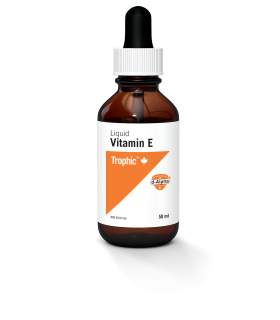
Vitamin E Liquid 50 ml
Product Code : TRP11172
2Vitamin E is an antioxidant for the maintenance of good health. In nature, Vitamin E is a complex of compounds referred to as tocopherols. The most active is d-alpha tocopherol.

Raw Honey 1kg
Product Code : NTD10504
Nutridom Raw Honey is pure, natural, and non-pasteurized. The product is made with three distinctive blends of 100% Canadian Honey: Summer Blossom, Wildflower and Buckwheat.
- Out-of-Stock
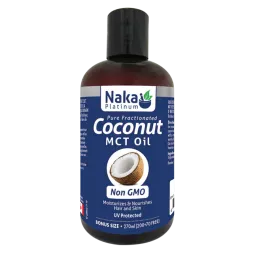
Platinum Coconut Oil 270 ml
Product Code : NKA74622
Bonus size. 100% pure Medium Chain Triglycerides oil (fractionated coconut oil). For skin, hair and body conditioner.
- -15%
- -15%
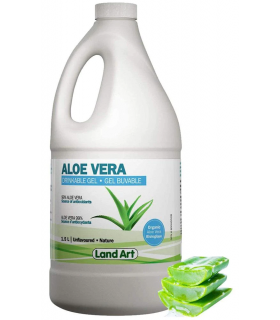
Aloe Vera Gel Unflavored 1500 ml
Product Code : LND00197
Our 99% Pure Aloe Vera Gel is an excellent source of antioxidants. Used in herbal medicine and herbalism, aloe vera is recommended to help relieve inflammation and irritation of the gastrointestinal tract.
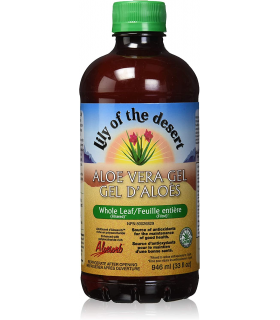
Aloe Vera Gel Whole Leaf 946 ml
Product Code : LIL00320
Drink to your health! Our aloe vera gels contain the same 200 biologically-active components as our juices, but have a thicker consistency than the juice. Some consumers find this thicker consistency to have a “soothing” effect. The juices and gels have the same beneficial polysaccharides,...
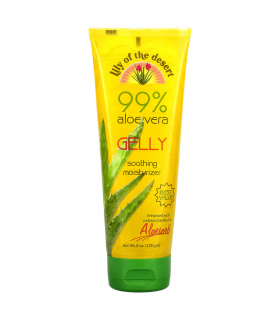
Aloe Vera Gelly 99% Cert Organic 228 g
Product Code : LIL10108
Revitalize & reduce the appearance of damaged skin with nature’s favorite natural moisturizer! Choose from our 4 convenient sizes
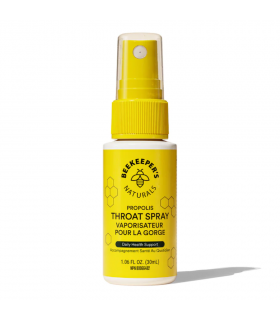
Propolis Spray 30 ml
Product Code : BKE14201
-1Vegan Dairy Free Gluten Free Canadian Immune support Throat relief Source of antioxidants Alcohol-free
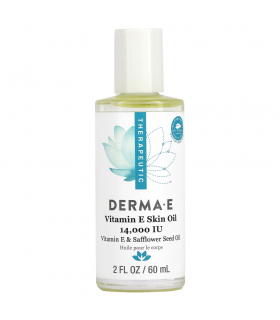
Vitamin E Skin Oil 14,000 IU 60 mL
Product Code : DME00520
Dermatologist recommended Vitamin E Oil Vitamin E helps to fight free radicals Nourishes and soothes uncomfortable skin Deeply penetrates to renew, repair, and condition Visibly reduces the look of fine lines and wrinkles Absorbs quickly for fast-acting moisture and hydration

Aloe Vera 98% Gel With Pump 227g[discontinued]
Product Code : JSN84013
Jason Aloe Vera Gel is purity and potency assured to contain the biologically active nutritional compounds found in the whole leaf of fresh Aloe vera. Highest concentration of nutritionally active compounds Protects skin No parabens, SLS or or phthalates Provides cool, soothing relief...
- Out-of-Stock
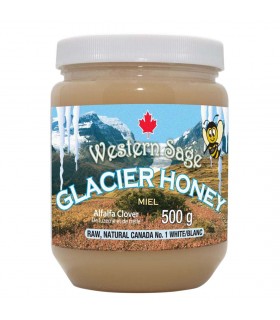
Western Sage Glacier Honey 500g
Product Code : WTS01154
Made from honey harvested from the foothills of the pristine glaciers of the Rocky Mountains
- Out-of-Stock
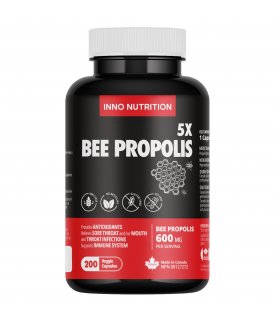
Bee Propolis 200 Capsules
Product Code : INN61280
Innonutrition Bee Propolis is made from high-quality, PURE BEE PROPOLIS sourced from natural beehives. No additives, fillers, or preservatives are used in the extraction process.

- -20%
- Out-of-Stock
- -20%