
















Why are modern people constantly tired? The scientific reasons behind the need for energy-restoring supplements.
Do you wake up feeling unrefreshed and experience a sense of heaviness in your body throughout the day? It is also common to feel a drop in concentration and a sense of lethargy in the afternoon, even after seemingly getting enough sleep. Fatigue among modern people does not stem solely from a lack of sleep; it can result from a complex interplay of factors such as stress, irregular eating habits, and excessive workloads. In particular, a deficiency in the vitamins and minerals required for the body's energy production processes can hinder normal energy metabolism. Therefore, for those suffering from chronic fatigue, it is crucial to not only review lifestyle habits but also ensure an adequate intake of essential nutrients. Let’s explore which nutrients are necessary for the body's energy production and recovery, and understand why supplements can actually be beneficial.
The Real Reason You’re Still Tired After Sleeping: Your Cells' 'Energy Factories' Have Ground to a Halt
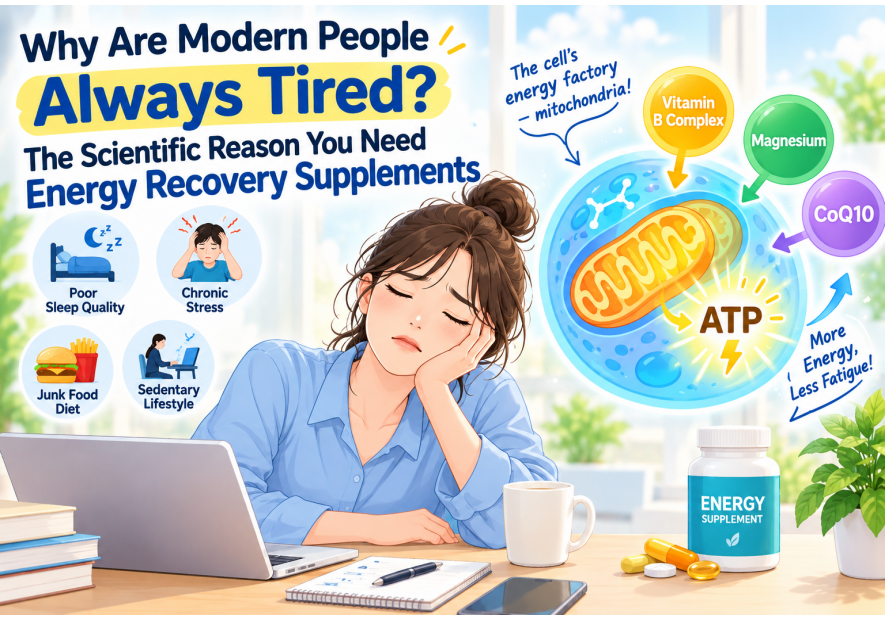
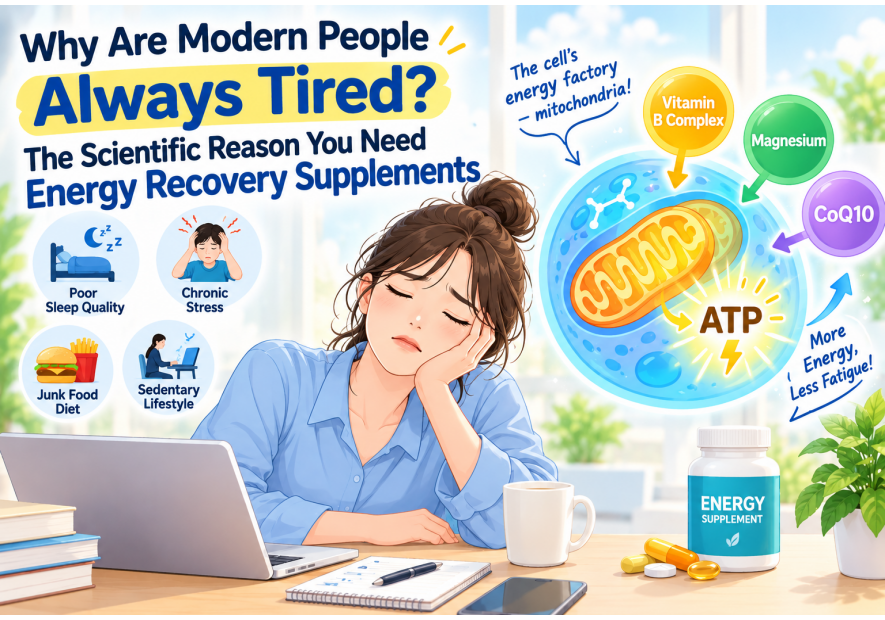
Have you ever experienced that sluggish, heavy feeling on a Monday morning, even after sleeping all weekend? If you’ve blamed yourself—thinking it was simply a lack of willpower or a temporary slump—you can let go of that guilt now. Inside our cells lie mitochondria, the "energy factories" that produce ATP (biological energy) necessary for our activities. When mitochondrial function declines, the inability to efficiently produce ATP can lead to chronic fatigue, mental exhaustion, and muscle weakness. Furthermore, increased oxidative stress within the cells can strain normal cellular functions and recovery processes. These changes often arise from a combination of factors such as stress, sleep deprivation, nutritional imbalance, and aging. A sharp drop in energy production brings on brain fog and muscle weakness, while a simultaneous surge in reactive oxygen species attacks cells, further undermining the body's ability to recover. Ultimately, the fatigue we feel is not merely a mental issue; it is a clear SOS signal sent from the cellular level. It is time to move beyond simply trying to power through with sheer willpower and instead seek scientific solutions to restart those cellular energy factories.
Chronic Fatigue That Won't Go Away: Why Nutrients Get Depleted
If your fatigue persists despite getting plenty of rest and eating healthy foods, it may be because essential nutrients are being continuously depleted without you realizing it. A primary culprit is a diet heavy in refined carbohydrates and processed foods; these provide only "empty calories"—lacking the vitamins and minerals essential for energy metabolism—which ultimately leaves your cells even more exhausted. Chronic stress compounds the problem: the body rapidly consumes magnesium, B vitamins, and vitamin C to produce the hormone cortisol, thereby draining its nutrient reserves. To make matters worse, aging or accumulated overwork reduces the gut's digestive and absorptive efficiency, making it difficult to replenish micronutrients through diet alone. Increased oxidative stress further strains normal cellular function and recovery processes, making fatigue a recurring issue. Ultimately, when nutrient depletion leads to a rise in reactive oxygen species (free radicals), the body's natural recovery mechanisms fail, trapping you in a vicious cycle of chronic fatigue. It is time to go beyond simply resting more and focus on thoroughly replenishing the key nutrients your body has lost.
Three Key Nutrients to Revitalize Cellular Energy
To restore our body's vitality, nutrients that enable cells to efficiently produce energy are far more important than simply consuming a high number of calories. The first is the B-complex group of vitamins; they act as a crucial lubricant, converting the carbohydrates, proteins, and fats we consume into ATP—the body's actual fuel. The second is magnesium, an essential mineral that plays a vital role in how cells utilize ATP. The third is Coenzyme Q10 (CoQ10), which participates in the mitochondrial energy production process while also providing powerful antioxidant effects. CoQ10 is particularly noteworthy for those concerned with energy metabolism, as levels in the body tend to decline with age. These three nutrients work together synergistically—much like interlocking gears—to revitalize exhausted cells. Ultimately, the key is not to indiscriminately consume large quantities of supplements, but rather to maintain a balanced diet while appropriately supplementing any specific nutrients that may be lacking.
Lifestyle Routines and Supplement Tips to Reduce Fatigue and Restore Energy
No matter how high-quality your supplements are, their fatigue-relieving effects will be diminished if the fundamental gears of your daily routine are out of sync. First, going to bed and waking up at consistent times while getting plenty of morning sunlight helps stabilize your sleep-wake rhythm. On stressful days, it is beneficial to relieve tension through simple, low-impact activities like light walking or deep abdominal breathing. Regarding diet, rather than relying heavily on simple sugars and refined carbohydrates, aim to consume protein, vegetables, and whole grains to minimize rapid spikes in blood sugar after meals. Additionally, taking B-complex vitamins (which aid energy production) in the morning and magnesium (which helps relax muscles) in the evening can be effective; taking CoQ10 with a meal containing fat may also improve absorption—though you should always check specific product instructions and potential interactions with any medications you are currently taking. Ultimately, supplements deliver the best results when they complement a foundation of solid lifestyle habits. Start by making small changes—like going to bed early tonight and taking your morning supplements—to gradually replenish your body's energy.
Conclusion
Chronic fatigue is no longer merely a matter of willpower to be endured; it is a clear biochemical warning signal from your body. By replenishing essential nutrients for the mitochondria within your exhausted cells and adopting a healthy daily routine, you can certainly regain the vitality you once had. It is important to adequately supplement with B vitamins, magnesium, and CoQ10—nutrients essential for the cellular energy production process. However, taking supplements alone cannot resolve fatigue; it must be accompanied by sufficient sleep, a balanced diet, and stress management. A regular lifestyle, in particular, serves as the fundamental basis for energy metabolism and recovery. When there is a deficiency in necessary nutrients, appropriate supplementation can help support healthy energy metabolism. Start today by consistently incorporating just one small lifestyle change and one necessary nutrient into your routine. Stop accepting fatigue as a given; instead, begin steadily replenishing your energy through targeted supplementation.
Frequently Asked Questions (FAQ)
Q. How do nutritional supplements differ from sleeping pills or fatigue-recovery drinks?
A. Caffeinated beverages and certain temporary medications merely draw upon a form of "fake energy" by forcibly squeezing the cells. In contrast, nutritional supplements offer a fundamental solution by directly replenishing the raw materials and lubricants that mitochondria within cells need to produce energy.
Q. Will taking B-complex vitamins provide an immediate energy boost?
A. While B-complex vitamins play a crucial role in energy metabolism, they do not produce the immediate stimulating effect associated with caffeine. However, if you are deficient, they can help restore normal energy metabolism.
Q. Can I take magnesium and CoQ10 together?
A. Yes, they are often taken together because they contribute to energy metabolism through different mechanisms. However, if you are currently taking any medication, it is best to consult a professional regarding product selection and dosage.
Source
1. “Vitamins and Minerals for Energy, Fatigue and Cognition: A Narrative Review of the Biochemical and Clinical Evidence”/ Authors: Anne-Laure Tardy, Etienne Pouteau, Daniel Marquez, Cansu Yilmaz, Andrew Scholey
2. “Association of Mitochondrial Dysfunction and Fatigue: A Review of the Literature”/ Authors: Sarah A. Filler et al.
3. “The Role of Vitamins and Minerals in Energy Metabolism and Well-Being”/ Authors: E. Huskisson, S. Maggini, M. Ruf
4. “Nutrient Therapy for the Improvement of Fatigue Symptoms”/ Authors: Review article

Leave a comment