






Cancer-Fighting Nutritional Supplements
The question of whether nutritional supplements can help prevent cancer is complex and requires consideration of many factors. The current body of research and scientific evidence suggests that certain nutritional supplements may have a positive effect on cancer prevention. However, this does not mean that nutritional supplements independently guarantee cancer prevention. While nutritional supplements may provide additional benefits, they should not replace conventional cancer treatment. A holistic approach that includes a balanced diet, regular exercise, and stress management, along with medical treatment, is best when supplements are used to help prevent cancer.
Common Nutritional Supplements for Cancer Prevention
Expert-Recommended Nutritional Supplements for Cancer Prevention
Dosage and Timing Recommendations for Cancer-Fighting Nutritional Supplements
Research and Evidence Supporting Cancer-Fighting Nutritional Supplements
Considerations for Selecting Nutritional Supplements for Cancer Prevention
Common Nutritional Supplements for Cancer Prevention
Cancer-fighting supplements are a popular topic of interest due to their potential to support existing cancer treatments and improve overall health. When it comes to cancer-fighting nutritional supplements, here are a few options to consider:
Vitamin D: Vitamin D has been extensively studied for its potential in cancer prevention and treatment. Vitamin D helps promote cell differentiation, reduce cancer cell growth, and slow tumor progression.
Antioxidants: Vitamins A, C, K, and beta-carotene contain antioxidants that may help prevent cancer. These antioxidants are also good to get from food sources.
Omega-3 fatty acids: EPA and DHA, found in fish oil supplements, may reduce the risk of cancer and other diseases. They inhibit cancer cell growth, induce cell death, and reduce angiogenesis (the formation of new blood vessels that feed tumors).
Curcumin: Curcumin is an ingredient extracted from the turmeric root that has anti-inflammatory, antioxidant, and anticancer properties. Curcumin inhibits the growth of a variety of cancer cells.
Green Tea Extract (EGCG): Extracts from green tea leaves have antioxidant, anti-inflammatory, and anti-cancer properties. Epigallocatechin gallate (EGCG) is the active ingredient that inhibits cancer cell proliferation and induces apoptosis (programmed cell death).
Allicin: Allicin, a garlic extract, has antibacterial, antiviral, and anti-cancer properties. It induces apoptosis, inhibits cancer cell growth, and modulates immune responses.
Expert-Recommended Nutritional Supplements for Cancer Prevention
Curcumin
Curcumin has been shown to have anti-inflammatory, antioxidant, and anti-cancer effects in many studies. Some studies suggest that curcumin may help prevent colon cancer, breast cancer, and prostate cancer. Curcumin may be effective in inhibiting inflammatory pathways and inhibiting the growth of cancer cells.
Berberine
Berberine is a bioactive substance with various pharmacological effects, and much research has been conducted on its potential in cancer prevention. Chronic inflammation plays an important role in the development and progression of cancer. Berberine may exert anti-inflammatory effects by inhibiting the production of inflammatory mediators. Berberine may inhibit the proliferation of cancer cells by affecting several pathways involved in cell cycle regulation. Some studies have shown that berberine may help inhibit the invasion and metastasis of cancer cells. This may play an important role in slowing or preventing the progression of cancer.
Pycnogenol
Pycnogenol is a French maritime pine bark extract known for its antioxidant and anti-inflammatory properties. Pycnogenol is known to be a powerful antioxidant and helps reduce oxidative stress caused by reactive oxygen species (ROS). Oxidative stress plays a major role in cell damage and cancer development, so antioxidant activity may contribute to cancer prevention. Chronic inflammation is one of the major factors in the development of cancer. Pycnogenol may have anti-inflammatory effects by inhibiting the production of inflammatory mediators, which may help prevent cancer.
Vitamin D
Vitamin D deficiency may increase the risk of some cancers. Vitamin D may help promote cell differentiation and apoptosis and inhibit the growth of cancer cells.
Vitamin C
Studies have shown that high doses of vitamin C may be used as an adjuvant in cancer treatment. Vitamin C may inhibit cancer cell growth through its antioxidant effects, and some studies have shown that it may enhance the effectiveness of certain chemotherapy regimens.
Vitamin K
Vitamin K can be involved in regulating the cell cycle and inhibiting cell growth. This may help prevent the proliferation of cancer cells. Vitamin K can promote the autonomous death of cancer cells by inducing programmed cell death (apoptosis). This is an important mechanism for preventing cancer cell survival. Some studies have suggested that vitamin K intake may reduce the risk of certain types of cancer, particularly liver and prostate cancer.
Dosage and Timing Recommendations for Cancer-Fighting Nutritional Supplements
When taking anticancer supplements, it is important to follow the correct dosage and timing. Each supplement has a different recommended dosage, and taking it at a specific time or with a meal can maximize its effectiveness. Here is a guide to the recommended dosage and timing of taking major anticancer supplements.
Curcumin
The recommended dosage is 500-2000 mg once or twice daily, taken with meals. Curcumin is more absorbable when taken with fat.
Pycnogenol
The recommended dosage is 50-100 milligrams (mg). Taking the daily dosage in 1-2 doses can maximize its effectiveness by extending its retention time in the body. Take on an empty stomach or with meals. Pycnogenol can be better absorbed when taken with food. It is especially recommended to take it with meals that contain fat.
Vitamin D
The recommended dosage is 1000-2000 IU once daily (higher doses may be recommended if necessary). Take with meals, especially when taken with fat, for better absorption. Adjust intake while monitoring vitamin D levels.
Vitamin C
The recommended dose is 500-1000 mg taken once or twice daily. It can be taken with or without meals, and high doses may cause stomach upset in some people.
Vitamin K
The recommended dose is approximately 90 mcg per day for women and 120 mcg for men. Vitamin K is a fat-soluble vitamin, so it is best taken with meals. In particular, it is better absorbed when taken with foods containing fat.
Omega-3 fatty acids
The recommended dose is 1000-3000 mg (EPA and DHA combined) taken once daily. Take with meals, especially when taken with fat, for better absorption. Caution is required as it may interact with blood thinners.
Research and Evidence Supporting Cancer-Fighting Nutritional Supplements
Nutritional supplements that fight cancer have attracted considerable attention in the medical and scientific communities. Research and evidence on the efficacy and use of anticancer supplements have been conducted from various perspectives. Anticancer supplements are gaining attention because they can help improve the nutritional status of patients during cancer treatment, alleviate side effects, and improve the overall quality of life. The use of anticancer supplements may vary depending on each individual's circumstances, and it is important to consult with your doctor to choose the appropriate supplement.
Omega-3 fatty acids
Studies have shown that omega-3 fatty acids can reduce inflammation in cancer patients, help maintain muscle mass, and prevent weight loss. These fatty acids can reduce inflammation, inhibit cancer cell growth, and promote cell death. One meta-analysis study reported that omega-3 supplements significantly reduced weight loss and inflammation in cancer patients.
Vitamin D
Vitamin D inhibits cancer cell proliferation while promoting cell differentiation and apoptosis. It also regulates the expression of genes involved in cell cycle regulation and immune function. Studies have shown that vitamin D deficiency is common in cancer patients, and supplementation can increase survival rates and improve quality of life. Epidemiological studies have shown a correlation between low vitamin D levels and an increased risk of several cancers. One study reported that vitamin D supplementation helped improve survival and treatment outcomes in cancer patients.
Vitamin C
High-dose vitamin C has been studied for its potential to enhance the effectiveness of chemotherapy and radiation therapy. Vitamin C has been shown to selectively induce oxidative stress in cancer cells, leading to apoptosis. It may also enhance immune responses and synergize with certain anticancer drugs. Studies of high-dose intravenous vitamin C have shown that it may help suppress tumor growth or reduce the side effects of chemotherapy. Some studies have also shown that combining vitamin C with anticancer drugs may help treat certain cancers.
Curcumin (Turmeric)
Curcumin is known to be a potent anti-inflammatory agent. Chronic inflammation plays a role in the development and progression of cancer, and the anti-inflammatory properties of curcumin may contribute to its suppression. Several laboratory studies have shown that curcumin is effective in suppressing the growth and inducing apoptosis of a variety of cancer cells, including breast, prostate, and colon cancer cells.
Considerations for Selecting Nutritional Supplements for Cancer Prevention
Choosing the right nutritional supplement for cancer prevention requires careful consideration of efficacy, scientific evidence, quality, dosage, potential interactions, individual health needs, regulatory guidelines, cost, and side effects.
Scientific Evidence and Efficacy
Choose supplements that are supported by scientific research and clinical trials. Look for studies that demonstrate their effectiveness in cancer prevention.
Quality and Purity
Choose supplements that have been tested by a third-party organization for purity, potency, and contaminants. This helps ensure that the product contains what it claims and is free of harmful substances.
Reputable Brands
Purchase from reputable manufacturers known for high quality standards and Good Manufacturing Practices (GMP).
Health Conditions
Consider your specific health needs, existing conditions, and ongoing treatments. Some supplements may be more beneficial for certain types of cancer.
Side Effects and Tolerability
Choose supplements that are generally well-tolerated, knowing the possible side effects. Be aware of potential interactions with medications or other supplements. Start with a low dose to assess your personal tolerance, then gradually increase as recommended.
Source:
1.Vitamins, diet supplements and cancer - Cancer Research UK. https://www.cancerresearchuk.org/about-cancer/treatment/complementary-alternative-therapies/individual-therapies/vitamins-diet-supplements.
2.Nutrition as prevention for improved cancer health outcomes: a .... https://academic.oup.com/jncics/article/7/3/pkad035/7172383.
3.A Comprehensive Guide to Cancer-Fighting Supplements - KrisCarr.com. https://kriscarr.com/cancer-supplements/.
4.Antioxidants and Cancer Prevention - NCI - National Cancer Institute.
https://www.cancer.gov/about-cancer/causes-prevention/risk/diet/antioxidants-fact-sheet.
5.Supplements & Nutrients - American Institute for Cancer Research. https://www.aicr.org/cancer-prevention/healthy-eating/supplements-nutrients/.
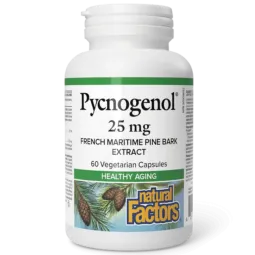
Pycnogenol 25 mg, 60 Vegetarian Capsules
Product Code : NFT02090
Source of antioxidants to help fight free radical damage Helps reduce blood C-reactive protein levels, a clinical marker of inflammation Helps reduce symptoms of perimenopause, including hot flashes, difficulty falling asleep, and poor mental concentration/focus May help provide relief for...
- -15%
- Out-of-Stock
- -15%
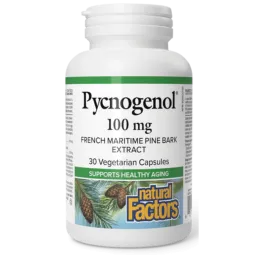
Pycnogenol 100 mg, 30 Vegetarian Capsules
Product Code : NFT02091
Source of antioxidants to help fight free radical damage Helps reduce blood C-reactive protein levels, a clinical marker of inflammation Helps reduce symptoms of perimenopause, including hot flashes, difficulty falling asleep, and poor mental concentration/focus May help provide relief for...
- -20%
- Out-of-Stock
- -20%
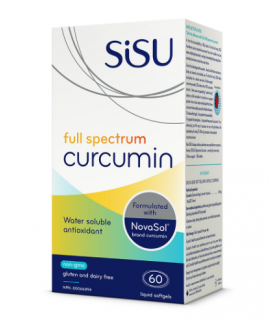
Full Spectrum Curcumin, 60 Liquid Soft Gels
Product Code : SU4107
An antioxidant in a patented, water-soluble form
-25% IN CART
- Hidden Deal In Cart
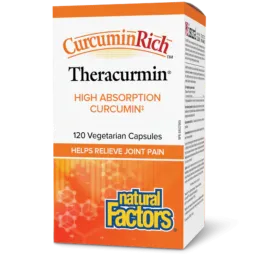
CurcuminRich Theracurmin, 120 Vegetarian Capsules
Product Code : NFT04539
One of the highest absorbed forms of curcumin Supports a healthy inflammation response Exerts antioxidant activity Helps relieve joint pain associated with osteoarthritis of the knee
-20% IN CART
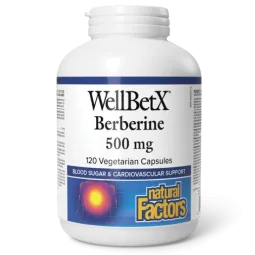
WellBetX Berberine 500 mg, 120 Vegetarian Capsules
Product Code : NFT03543
Provides support for healthy glucose metabolism Helps support healthy cholesterol levels Helps maintain cardiovascular health in adults
-20% IN CART
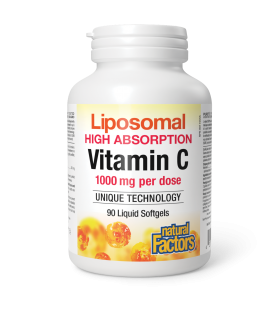
Liposomal Vitamin C 1000 mg 90 Liquid Softgels
Product Code : NFT01319
Help support immune function Helps in wound healing Helps in collagen formation to maintain healthy bones, cartilage, teeth, and gums Helps prevent vitamin C deficiency An antioxidant for good health
-15% IN CART
Berberine LipoMicel 500 mg 120 Softgels
Product Code : NFT04585
Supports healthy glucose metabolism Helps maintain cardiovascular health in adults Healthy blood sugar support Recommended dose (adults 18 years and older): 1 softgel 2 times daily or as directed by a health care practitioner. Softgel can be swallowed or chewed. Consult a health care...
-25% IN CART