



Discovering Top 10 Iron Rich Foods

Iron is an essential nutrient that plays an important role in maintaining our overall health and well-being. It is needed for the production of hemoglobin, a protein in red blood cells that carries oxygen throughout the body. Without enough iron, your body cannot produce enough healthy red blood cells, causing iron deficiency anemia. This can negatively impact your daily life by causing fatigue, weakness and difficulty concentrating. Therefore, iron intake is very important for a healthy life. It is mainly found in various foods such as grains, beans, vegetables, nuts, and fruits, as well as animal foods such as meat, poultry, and fish. You may also need to take iron supplements.
Understanding the Importance of Iron in Overall Health and Well-being
Top 10 Iron-Rich Plant-Based Foods for Vegetarians and Vegans
Exploring Animal-Based Iron Sources for Non-Vegetarians
Iron-Rich Foods for Babies and Infants to Support Healthy Development
Addressing Common Misconceptions and Precautions for Iron Consumption
Understanding the Importance of Iron in Overall Health and Well-being
Because iron plays several important roles in the body, it is important to understand its importance to your overall health and well-being. Here are some key points about iron:
Oxygen Transport: Iron is a key component of hemoglobin, a protein in red blood cells that transports oxygen from the lungs to tissues throughout the body. Without enough iron, your body cannot produce enough hemoglobin, which reduces oxygen transport and can potentially cause fatigue and weakness.
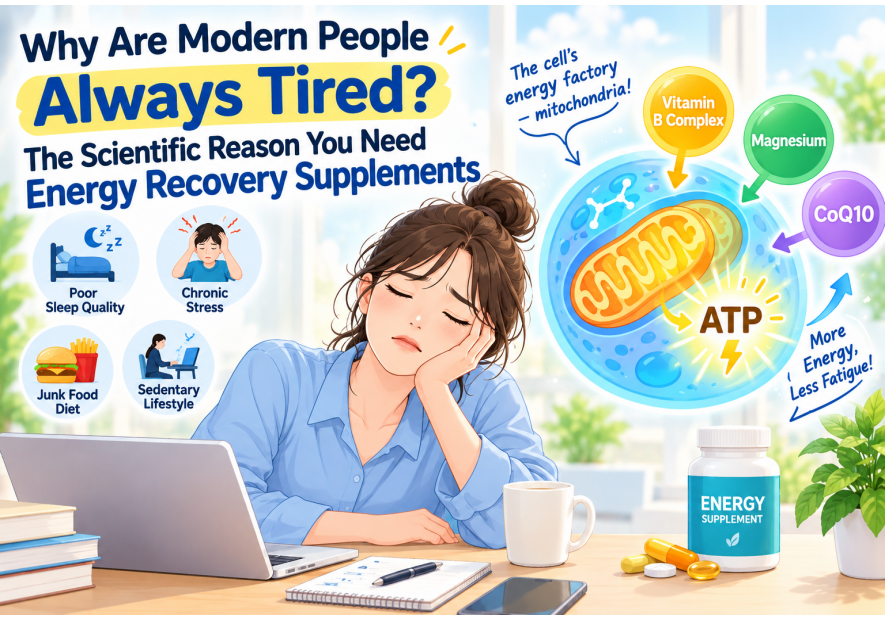
Energy production: Iron is also involved in energy metabolism. It helps produce adenosine triphosphate (ATP), the cell's main source of energy. Therefore, you need adequate iron levels to maintain energy levels and prevent fatigue.
Brain Function: The brain requires a constant supply of oxygen to function properly. Iron deficiency can impair cognitive function, causing difficulties with concentration, memory, and overall mental performance.
Immune function: Iron plays a role in the immune system by supporting the growth and function of immune cells. Iron deficiency can weaken your immune response, making your body more susceptible to infections.
Healthy Growth and Development: Iron is especially important for children, adolescents, and pregnant women as it is essential for growth, development, and maintaining optimal health throughout the growing period.
Prevent anemia: Iron deficiency is a major cause of anemia, which is defined as low red blood cell count or insufficient hemoglobin levels. Anemia can cause symptoms including fatigue, weakness, difficulty breathing, pale skin, and dizziness.
Top 10 Iron-Rich Plant-Based Foods for Vegetarians and Vegans
For vegetarians and vegans looking to increase their plant-based iron intake, here are the top 10 iron-rich foods:
- Legumes: Legumes such as lentils, chickpeas, black beans, and kidney beans are excellent sources of iron. It is also highly versatile and can be used in a variety of dishes such as soups, stews, salads, and curries.
- Tofu: Tofu, a product made from soybeans, is not only rich in protein but is also a good source of iron. Can be used in stir-fries and salads.
- Cereal: Many breakfast cereals are fortified with iron and other nutrients. For a nutritious breakfast, choose whole grain, low-sugar options and serve with fortified plant-based milk.
- Whole grains: Quinoa and oats are highly nutritious whole grains that are not only high in protein but also contain a significant amount of iron. You can also use it as a substitute for rice or add it to salads, soups, and stir-fries.
- Leafy greens: Dark leafy greens like spinach, kale, and Swiss chard are rich in iron and other nutrients. Enjoy it in salads or in dishes such as soup and pasta.
- Mushrooms: Shiitake mushrooms have surprisingly high iron content. Use in stir-fries or soups.
- Seeds and nuts: Pumpkin seeds, sunflower seeds, and almonds provide iron. Eat it as a snack or sprinkle it on top of your meal.
- Sesame seeds: Sesame seeds are rich in not only iron but also calcium and other minerals. Use it to make salads and stir-fries.
- Dried fruits: Raisins, apricots, and prunes are convenient snacks packed with iron.
- Dark Chocolate: Dark chocolate with over 70% cocoa content is not only delicious but also contains significant amounts of iron. Enjoy it in moderation as a snack.
Exploring Animal-Based Iron Sources for Non-Vegetarians
Incorporating a variety of animal sources of iron into your diet can help you meet your daily iron requirements and maintain optimal health. For non-vegetarians looking to explore animal sources of iron, here are some of the best options:
- Red meat: Red meat, such as beef, lamb, and pork, is a rich source of iron and is more easily absorbed by the body compared to iron found in plant foods.
- Poultry: Chicken and turkey are also good sources of iron. Skinless parts of poultry, such as chicken breast, are low in saturated fat and high in iron.
- Fish and seafood: Fish and seafood are rich in iron. Examples include tuna, salmon, sardines, mackerel, clams, oysters, and shrimp. You can bake or fry them and include them in your meals.
- Liver: Organ meats, especially liver, are one of the most concentrated sources of iron. Beef liver, chicken liver, and pork liver are commonly consumed and can be cooked in a variety of ways, including pan-frying, grilling, or adding them to stews or pâtés.
- Eggs: Eggs, especially their yolks, are a good source of iron.
- Shellfish: Crustaceans such as clams, mussels, and oysters are excellent sources of iron. It can be steamed, boiled, baked, or added to pasta dishes and soups.
Iron-Rich Foods for Babies and Infants to Support Healthy Development
Because iron is essential for cognitive development, growth, and overall health, introducing iron-rich foods to infants and toddlers is critical to supporting healthy development. When feeding your baby iron-rich foods, it is important to monitor for signs of allergies or sensitivities and introduce new foods one at a time. The following iron-rich foods are suitable for infants and toddlers:
- Infant cereals: Iron-fortified infant cereals, such as rice cereal, oatmeal cereal, and multigrain cereal, are often recommended as the first food for babies starting solid foods. This cereal is easy to digest and provides a good source of iron.
- Meat: Meat such as chicken, turkey, beef, and pork is an excellent source of iron with a high absorption rate in the body. Start with finely ground meat and gradually increase the textures as your baby gets used to solid foods.
- Legumes: Legumes such as lentils, chickpeas, black beans, and kidney beans are rich in iron and protein. For young babies, puree to a smooth consistency or serve as finger foods.
- Baby food: Many commercially available baby foods are fortified with iron. Look for iron-fortified purees and baby foods in the baby food section of supermarkets or health food stores.
- Egg Yolk: Egg yolk is rich in iron and other nutrients. Feed egg yolk to your baby after 6 months of age. Cook thoroughly and mash to prevent choking.
- Iron-rich fruits: Certain fruits, such as plums and apricots, are naturally high in iron. Cook to a smooth consistency and serve pureed or chopped as finger foods.
- Iron-fortified formula: If your baby is formula-fed, choose an iron-fortified infant formula to ensure he or she gets enough iron. Breastfed babies may need iron supplementation starting around 6 months of age. This is because breast milk alone cannot provide an adequate amount of iron.
Addressing Common Misconceptions and Precautions for Iron Consumption
Addressing common misconceptions about iron intake is important for maintaining optimal health and well-being.
Iron is important only for preventing anemia:
- Iron deficiency anemia is a serious problem, but iron plays other important roles in the body beyond producing red blood cells. This includes supporting energy metabolism, cognitive function, immune function, and overall growth and development.
More iron is always better:
- Iron is essential, but excessive iron intake can be harmful and cause toxicity. It is important to consume iron within recommended dosing guidelines and avoid excessive supplementation without medical supervision.
Animal iron is superior to plant iron:
- Although animal iron is more easily absorbed by the body than plant iron, it is recommended to provide adequate iron through eating iron-rich plant foods and eating a balanced diet.
Spinach is a great source of iron:
- Spinach contains iron, but it also contains oxalates, which can inhibit iron absorption. Consuming spinach with foods rich in vitamin C improves absorption.
Coffee and tea do not affect iron absorption:
- Coffee and tea contain compounds (tannins) that can interfere with iron absorption. Do not take with iron-rich meals.
Cooking with cast iron automatically increases your iron intake:
- Cooking in cast iron releases some iron into the food, but the effect is minimal. It is still important to eat foods rich in iron.
Here are some precautions to consider:
Iron supplements may cause constipation, nausea, vomiting, and stomach upset in some individuals, especially if taken on an empty stomach or in high doses. Iron supplements may interfere with the absorption of certain medications, including antibiotics, thyroid medications, and Parkinson's disease medications. It is important to discuss potential drug interactions with your healthcare professional before starting iron supplementation. In children, caution is advised as excessive iron intake can cause acute iron poisoning.
Iron absorption may be inhibited by certain substances. Substances such as calcium, tea, coffee, and certain medications can interfere with iron absorption when taken at the same time as iron-rich foods or supplements. To maximize iron absorption, it is recommended to space your intake of these substances from iron-rich meals or supplements. Excessive iron intake can lead to iron overload, especially in individuals with certain diseases (e.g. hemochromatosis). If you have any concerns, including if you have a medical condition or are taking other medications, consult your professional.
Source:
1.Iron Nutrient Overview: The Role It Plays in Our Health. https://www.healthline.com/health/iron-nutrient.
2.The Essential Role of Iron in Health and Well-being. https://medriva.com/nutrition/the-essential-role-of-iron-in-health-and-well-being/.
3.Understanding the Power of Iron for Your Health - Neuromedia. https://www.neuromedia.ca/understanding-the-power-of-iron-for-your-health/.
4.Vegetarian Foods That Are Loaded with Iron - Healthline. https://www.healthline.com/nutrition/iron-rich-plant-foods.
5.50 Iron-Rich Foods for Babies, Toddlers & Kids - Kids Eat in Color. https://kidseatincolor.com/best-iron-rich-foods-for-babies-and-toddlers/.

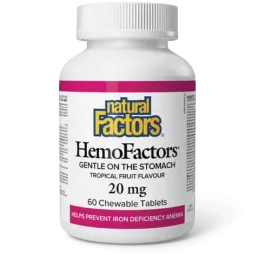
HemoFactors 20 mg, 60 Chewable Tablets
Product Code : NFT01647
A highly bioavailable form of elemental iron Gentle on the stomach Helps form red blood cells and helps in their proper function Helps prevent iron-deficiency anemia and associated tiredness and fatigue Helps pregnant women meet the recommended intake for iron when taken in conjunction with...
- -15%
- Out-of-Stock
- -15%
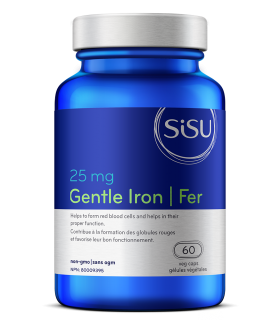
Gentle Iron 25 mg, 60 Vegetable Caps
Product Code : SU2603
Gentle Formula; Gentle Iron capsules contain a low dose of elemental iron from the bisglycinate form, which is gentler on the stomach than other forms of iron. Essential Iron Supplement; Helps with symptoms of mild iron-deficiency. Well Absorbed; In its bisglycinate form, Gentle Iron is...
- Hidden Deal In Cart
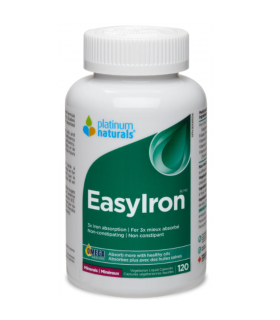
EasyIron® 120 Softgels
Product Code : PLT03091
Non-constipating Gentle and effective Vegetarian-friendly One fast-acting liquid capsule per day Superior Nutrient Absorption™
- -15%
- -15%
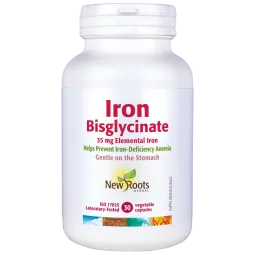
Iron Bisglycinate 35 mg Elemental 30 Capsules
Product Code : NRT01898
New Roots Herbal’s Iron Bisglycinate is an amino-acid chelate for maximum bioavailability and is free from common side effects of sore stomach, constipation, diarrhea, and cramps.
-10% IN CART
- Hidden Deal In Cart
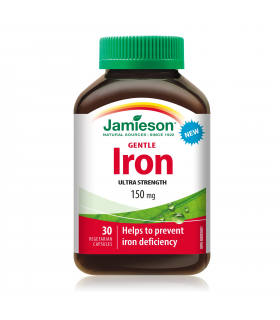
Gentle Iron Ultra Strength 150 mg 30 Capsules
Product Code : JMS09217
Jamieson Ultra Strength Gentle Iron is our highest potency iron product. It helps to prevent iron-deficiency related anemia and to form red blood cells while also being gentle on the stomach. This non-GMO formula contains no artificial colours, flavours, or preservatives.
- -15%
- -15%
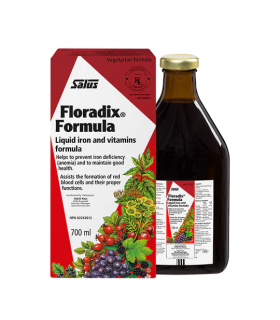
Floradix 700 ml
Product Code : SAL05705
Liquid Iron & Vitamin Formula Helps To Prevent Iron Deficiency Non-Medicinal Base Of Herbs, Fruits And Honey Non-Constipating Easy To Take, & Pleasant Tasting Free Of All Common Allergens, Including: Dairy, Eggs, Corn, And Soy
- -15%
- -15%
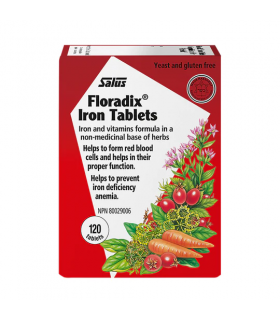
Floradix 120 Tablets
Product Code : SAL36307
Herbal Iron Tablets Helps To Prevent Iron Deficiency Non-Medicinal Base Of Herbs Non-Constipating Convenient Tablet Formula Free Of All Common Allergens, Including: Wheat, Dairy, Eggs, Corn Or Soy
- -15%
- -15%
Leave a comment