









Effective Nutritional Combinations for Male Hair Loss
Hair loss in men can be affected by a variety of factors, including genetics, hormonal imbalances, stress, and nutritional deficiencies. Although nutritional supplements alone cannot completely reverse hair loss, they can play an important role in supporting overall hair health and potentially slowing its progression. The right combination and dosage should be determined based on your individual needs and health status. Additionally, a comprehensive approach, including focusing on a balanced diet rich in fruits, vegetables, lean proteins, and healthy fats, and managing stress through regular exercise and adequate rest and sleep, is often most effective in addressing hair loss in men.
Understanding the Causes of Male Hair Loss and Nutritional Needs
The Role of Vitamins and Minerals
Fat-Soluble Vitamins and Sunflower Seed Oil for Male Hair Loss
B-Complex Vitamins and Amino Acids for Male Hair Loss
Nutritional Supplement Combinations and Dosage for Male Hair Loss
Understanding the Causes of Male Hair Loss and Nutritional Needs
Hair loss in men is mainly influenced by genetic, hormonal and environmental factors. Male pattern baldness tends to run in families and is influenced by genetic predisposition. Hormonal imbalances can be caused by a variety of factors, including aging, stress, and certain diseases, and contribute to hair loss. Stress can disrupt hormone levels, including cortisol, which can cause hair loss, and can lead to poor eating habits and nutritional deficiencies, which can make hair loss worse. Conditions such as seborrheic dermatitis, psoriasis, and scalp infections can cause inflammation and cause hair loss. Understanding these causes can help guide nutritional approaches to address the underlying problem.
Inadequate intake of essential nutrients can affect hair health and cause hair loss. Biotin (vitamin B7), zinc, and protein are needed for hair growth and repair, and iron is needed to form red blood cells that carry oxygen to hair follicles, so iron deficiency can lead to hair loss. Vitamin E acts as an antioxidant, protecting hair follicles from oxidative stress. Vitamin D plays an important role in hair follicle circulation and may help prevent hair loss. Omega-3 fatty acids reduce scalp inflammation, which can cause hair loss, and support scalp health.
The Role of Vitamins and Minerals
Vitamins and minerals play an essential role in maintaining overall health, including the health of hair follicles and promoting hair growth.
Biotin (Vitamin B7): Biotin is important in the synthesis of keratin, a protein that forms the structure of hair. It can also improve hair thickness and growth. Biotin plays a role in producing red blood cells that transport oxygen and nutrients to the scalp and hair follicles.
Zinc: Zinc is involved in numerous cellular processes, including hair follicle growth and repair. It plays a role in DNA and RNA synthesis, which is essential for hair follicle cells.
Iron: Iron is needed for the production of hemoglobin, a protein in red blood cells that carries oxygen to tissues, including the scalp and hair follicles. Iron deficiency anemia reduces oxygen delivery to hair follicles, which can lead to hair thinning and hair loss.
Omega-3 fatty acids: Omega-3 fatty acids, especially EPA and DHA, have anti-inflammatory properties. They help reduce inflammation in the scalp, which can cause hair loss, and may even promote hair growth.
Vitamin D: Vitamin D plays an important role in hair follicle circulation and helps maintain healthy hair growth.
Vitamin E: Vitamin E is an antioxidant that helps protect cells, including hair follicles, from oxidative stress. It can improve scalp circulation and promote hair growth.
Silica: Silica is a mineral involved in the formation of collagen, a structural protein found in hair, skin, and nails. It strengthens hair strength and helps improve hair elasticity.
Fat-Soluble Vitamins and Sunflower Seed Oil for Male Hair Loss
Fat-soluble vitamins, including vitamins A, D, and E, play an essential role in a variety of body functions, including hair health. Vitamin A is involved in the growth and differentiation of cells, including hair follicles. Vitamin D plays a role in blood circulation to hair follicles and may contribute to regulating hair growth. Vitamin E is a powerful antioxidant that helps protect cells, including hair follicles, from oxidative stress.
Sunflower seed oil is a natural, affordable option for dry, dull hair. Sunflower seed oil is a rich source of vitamin E, which helps protect hair follicles from oxidative damage. Sunflower oil contains oleic acid, which can help keep hair ends intact and reduce breakage. It also contains other nutrients such as essential fatty acids that nourish the scalp and promote healthy hair growth. Using sunflower seed oil as a natural moisturizer for your scalp and hair can potentially help reduce dryness and improve hair health.
B-Complex Vitamins and Amino Acids for Male Hair Loss
B-complex vitamins and amino acids play an important role in maintaining healthy hair growth, and taking a comprehensive approach can help address male hair loss. Here's how these nutrients affect hair health:
1.B complex vitamins:
- Biotin (Vitamin B7): Biotin is probably the most well-known B vitamin for hair health. Supports the production of keratin, a protein that forms the structure of hair.
- Niacin (Vitamin B3): Niacin promotes blood circulation in the scalp and helps deliver nutrients to hair follicles. Improved blood circulation can help promote healthy hair growth.
- Pantothenic acid (vitamin B5): Pantothenic acid is involved in the metabolism of carbohydrates, fats, and proteins. It may help support the production of coenzyme A, which is essential for cellular energy metabolism and can indirectly support hair growth.
- Pyridoxine (Vitamin B6): Vitamin B6 is involved in amino acid metabolism and protein synthesis, which can play an important role in hair health. Adequate levels of vitamin B6 are essential for the production of hemoglobin, which carries oxygen to hair follicles.
- Cobalamin (Vitamin B12): Vitamin B12 is important for red blood cell formation and nerve function. Deficiency of vitamin B12 can lead to anemia, which can indirectly affect hair health by reducing oxygen supply to the scalp and hair follicles.
2.Amino acids:
- Lysine: Lysine is an essential amino acid involved in collagen production. Collagen provides structural support to hair follicles, promoting hair strength and elasticity. Lysine also supports the absorption of calcium, iron, and zinc, which are important for hair health.
- Cysteine: Cysteine is a sulfur-containing amino acid that is a component of keratin, a protein that makes up hair. It helps strengthen hair strands and can improve hair texture and thickness.
- Methionine: Methionine is another sulfur-containing amino acid that is essential for hair growth. It plays an important role in the synthesis of keratin and collagen and helps maintain the health of hair follicles.
Nutritional Supplement Combinations and Dosage for Male Hair Loss
When considering nutritional supplement combinations and dosages for male hair loss, a balanced approach is important to address potential nutritional deficiencies and support overall hair health. Below are recommended combinations of nutritional supplements and recommended dosages.
Biotin: Biotin is a B vitamin that supports the production of keratin, a key component of hair. Recommended dosage: 2.5 to 5 mg per day.
Zinc: Zinc is involved in numerous cellular processes, including hair growth and repair. Recommended dosage: 11-30 mg per day.
Iron: Iron is needed to produce hemoglobin, which carries oxygen to the scalp and hair follicles. Recommended dosage: 8-18 mg per day (for men).
Omega-3 fatty acids: Omega-3 fatty acids reduce inflammation and support scalp health. Recommended dosage: 250-500 mg of EPA and DHA combined per day.
Vitamin D: Vitamin D plays a role in hair follicle circulation and may contribute to regulating hair growth. Recommended dosage: 600-800 IU per day.
Vitamin E: Vitamin E is an antioxidant that protects hair follicles from oxidative stress. Recommended dosage: 15 mg per day.
Lysine: Lysine is an amino acid that supports collagen production and nutrient absorption. Recommended dosage: 1-3g per day.
Silica: Silica supports hair strength and elasticity. Recommended Dosage: Follow manufacturer's instructions. Recommended dosage: 20-30 mg per day.
Source:
1.The Best Hair Growth Products for Men, Tested by Doctors and Editors. https://www.menshealth.com/grooming/g39797585/best-mens-hair-loss-treatments/.
2.Sunflower Hair Oil: Benefits and How to Use – Noophoric. https://www.noophoric.com/blogs/articles/sunflower-hair-oil-benefits-and-how-to-use.
3.Vitamins, minerals, and hair loss: Is there a connection?. https://www.health.harvard.edu/diseases-and-conditions/vitamins-minerals-and-hair-loss-is-there-a-connection.
4.Best vitamins for hair growth: Vitamin D, B complex, biotin, and more. https://www.medicalnewstoday.com/articles/318403.
5. 7 Best Hair Vitamins for Men - The Nutrition Insider. https://thenutritioninsider.com/wellness/hair-vitamins-for-men/.
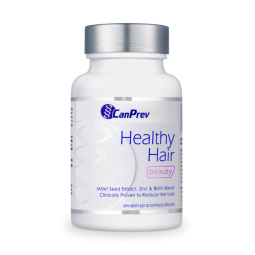
Healthy Hair 30 softgels
Product Code : CNP50221
Reduces hair loss by 50% after a minimum of 3 months (3 bottles) Decreases the telogen (rest) phase and encourages more of the growth phase of your hair cycle Stimulates hair growth

Hair Food 300 Capsules
Product Code : ALT04730
Strengthens hair, skin and nails Thin, fragile or falling out hair Helps the body to metabolize carbohydrates, fat and proteins Brittle and soft nails Help in tissue formation
- Out-of-Stock
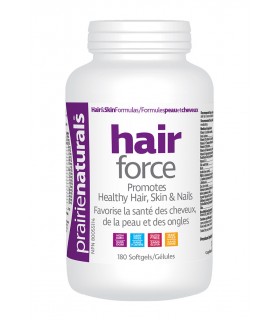
Hair-Force Multiple Vitamins, Minerals, Co-Factors for Healthy Hair 180 Softgels
Product Code : PRR00029
Canada’s first & best natural hair health formula Effective blend of 22 vitamins, minerals & herbs Restores, repairs & nourishes hair Stimulates hair growth Minimizes hair loss Combats environmental factors related to hair loss Reduces stress Supports hormonal balance
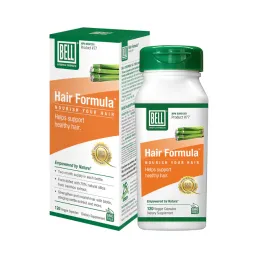
Hair Formula for Men & Women 120 Capsules
Product Code : BEL11051
Helps to support healthy hair. Nourish your hair. A factor in the maintenance of good health. Two month supply in each bottle. Formulated with 70% natural silica from bamboo extract. Strengthen and nourish hair with biotin, stinging nettle extract and more.
- -10%
- -10%
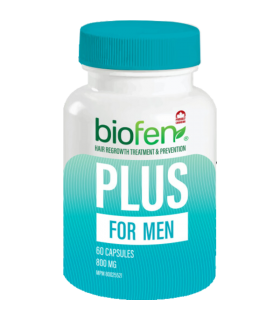
Bio-Fen Plus For Men 60 Capsules
Product Code : BOF00005
Bio-Fen Plus For Men is a herbal extract for hair loss prevention and thinning hair. Experts in male hair loss tell us that about half of all men with normal hair will suffer some form of male pattern hair loss over their lifetime. The vast majority of those cases will be due to genetic factors,...
- -20%
- -20%
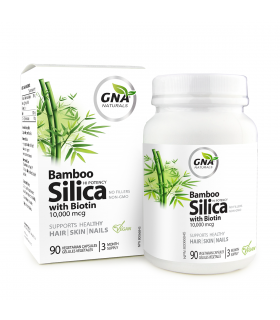
Bamboo Silica Biotin 10,000 mcg 90 Capsules
Product Code : GNA00002
Maximum Potency Bamboo Silica with 10,000 mcg Biotin Strongest Silica Available Great for Hair, Skin and Nails Cardiovascular support Joint Health
- Out-of-Stock
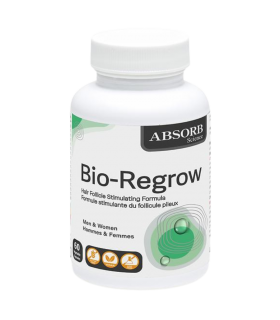
Bio-Regrow Hair Folicle Stimulating Formula 60 Vegi Capsules
Product Code : ABS00010
Get Absorb Science's exclusive deal BEFORE it's gone! Bio-Regrow® is a combination of nutrients for healthy hair growth and structure, coupled with power extracts that helps combat effects of DHT on the hair bulb.
- -25%
- -25%
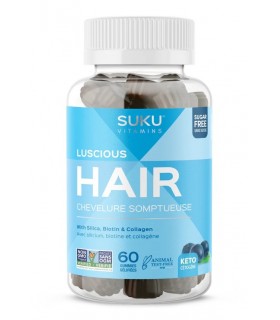
Luscious Hair 60 Gummies
Product Code : SUK47212
60 Gummies Flavour: Blueberry Bliss With biotin, collagen, and silica for beautiful hair, skin & nails Source of fibre Sugar-free, sugar-alcohol free & keto-friendly Non-GMO Pectin based Gluten, dairy, tree nut, shellfish, soy, egg, peanut free