
















Elevated ALT Levels, What is Really Going On in Your Liver ?
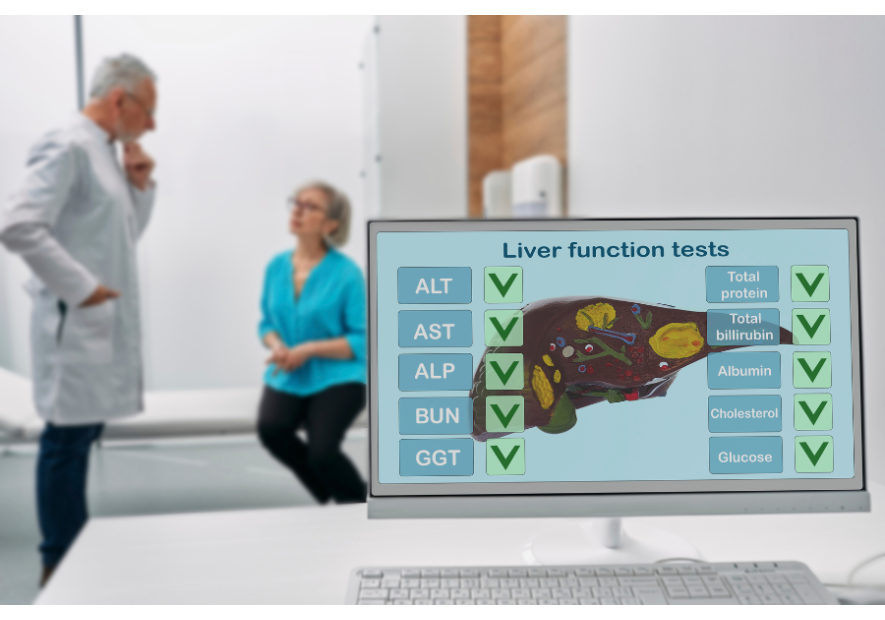
The liver is called the 'human body's energy management center', and it plays an important role in maintaining the basic functions of our body and protecting life from harmful substances from the outside. The liver is famous as a 'silent' organ that does not show any symptoms or diseases until its function is lost. That is why regular examinations are necessary. Representative indicators reflecting liver function are ALT, AST, and ALP. When we say liver function, we usually mean AST and ALT. What is ALT? Common causes of high ALT levels, what do ALT levels mean? Let's find out.
What is ALT (Alanine Aminotransferase)?
What Do ALT Levels Mean?
Common Causes of Elevated ALT Levels
What Should You Do If Your ALT Levels Are High?
How to Prevent Elevated ALT Levels
What is ALT (Alanine Aminotransferase)?
ALT (alanine aminotransferase) is a type of protein enzyme contained in some cell tissues of the human body, and is concentrated in the liver, but is also present in small amounts in the kidneys, heart, muscles, and pancreas. ALT plays an important role in breaking down proteins and converting them into energy. ALT levels are usually measured in a blood test to evaluate liver function. Since ALT is released into the bloodstream when the liver is damaged or inflamed, high ALT levels can indicate liver damage or inflammation. Doctors often use the ALT blood test to check for liver damage or disease, and it is the most representative indicator.
What Do ALT Levels Mean?
ALT levels provide a baseline for liver health, but interpretation varies by professional organization. Normally, an ALT level of less than 40 (U/L) for adults is considered normal, and some experts consider up to 50 to 60 to be normal. ALT levels of 50–200 (U/L) are mildly elevated and may be caused by excessive alcohol consumption, viral hepatitis, strenuous exercise, or muscle damage. ALT levels of 200–400 (U/L) are moderately elevated, indicating more severe liver damage or inflammation at this stage and may require further testing to determine the cause. ALT levels of 400 (U/L) or higher are severely elevated and indicate serious liver damage such as viral acute hepatitis, drug-induced liver damage, cirrhosis, alcoholic liver disease, and liver cancer, and often require immediate medical attention. High ALT levels do not always indicate serious liver problems. They should be evaluated along with other liver function tests and clinical symptoms.
Common Causes of Elevated ALT Levels
High ALT levels often indicate liver problems, but other factors can also play a role. Here are some of the most common:
Nonalcoholic fatty liver disease (NAFLD): This is a condition in which fat builds up in the liver. Mildly elevated ALT levels are common, especially in people who are obese, have diabetes, or have metabolic syndrome.
Alcohol consumption: When alcohol is broken down in the liver, toxic substances such as acetaldehyde are produced, which can inflame and damage liver cells, causing elevated ALT levels. This can lead to alcoholic hepatitis or cirrhosis.
Obesity: Obesity changes the way fat is metabolized, which puts a strain on the liver and can cause liver cell damage. If you are severely obese, fat can build up in the liver, leading to nonalcoholic fatty liver disease (NAFLD) or nonalcoholic steatohepatitis (NASH). This can damage liver cells and increase ALT levels.
Viral hepatitis: Viral hepatitis A, B, and C can cause elevated ALT levels. Chronic hepatitis can cause persistently elevated ALT levels.
Medicines and toxins: Over-the-counter pain relievers, such as acetaminophen (Tylenol), and certain prescription medications are major causes of liver damage and high ALT levels. Cholesterol-lowering medications, such as statins, can sometimes affect the liver. Other medications, such as antibiotics and antifungals, can sometimes cause liver inflammation.
Heart problems: Heart failure or ischemic heart disease can cause slightly elevated ALT levels due to reduced blood flow to the liver or related muscle damage.
Autoimmune diseases: Autoimmune hepatitis, in which the immune system mistakenly attacks liver cells, leads to inflammation and elevated ALT levels. Other diseases, such as lupus or celiac disease, can also affect the liver and cause elevated ALT levels.
What Should You Do If Your ALT Levels Are High?
If your ALT levels are high, it’s important to address the underlying cause and take steps to maintain your liver health. Here are some general recommendations:
Avoid alcohol: Alcohol is a common cause of liver damage. Limit or stop drinking alcohol.
Maintain a healthy diet: Eat a balanced diet rich in fruits, vegetables, whole grains, and lean meats. Avoid processed foods that are high in sugar, fat, and salt, as well as trans fats and excessive saturated fats. Foods that are high in fiber, such as whole grains and beans, can help reduce fat buildup in the liver.
Exercise regularly: Engage in regular physical activity to help improve your liver function and overall health. To improve your liver health, aim for at least 150 minutes of moderate physical activity (such as walking, swimming, or biking) per week.
Maintain a healthy weight: Losing weight to reduce liver fat can help improve your ALT levels.
Avoid unnecessary medications: Be careful with over-the-counter pain relievers, such as acetaminophen, as they can affect your liver enzyme levels. Stop or adjust medications that can cause liver damage.
Follow up with regular tests: Your doctor may recommend tests, lifestyle changes, or medications to address the underlying cause of your elevated ALT levels. Your doctor may retest your ALT levels in a few weeks or months to monitor your progress.
How to Prevent Elevated ALT Levels
To prevent elevated ALT levels, maintain a healthy lifestyle and change to a balanced diet. Eat fruits, vegetables, whole grains, and lean protein. Foods rich in folate, such as leafy greens, nuts, and fruits like pomegranates, can be especially beneficial for liver health. Avoid processed foods, which often contain harmful fats and additives that can stress the liver. Limit or stop alcohol consumption and drink plenty of water to keep your liver functioning properly. One of the best ways to lower your liver enzymes is exercise. Exercise helps your liver work less by removing waste products through sweat and burning fat. Getting vaccinated against hepatitis A and B can help prevent infections that can lead to liver inflammation and damage. Some over-the-counter and prescription medications can affect liver enzyme levels. Always follow your doctor’s advice and avoid unnecessary medications. Regular health checkups and blood tests can help detect and treat potential liver problems early.
Sources:
- High ALT levels and how to lower them naturally https://www.medicalnewstoday.com/articles/326425
- Lowering Your SGPT (ALT) Levels and Improving Liver Health https://www.wikihow.com/Lower-SGPT
- Elevated liver enzymes https://www.mayoclinic.org/symptoms/elevated-liver-enzymes/basics/causes/sym-20050830
- Alanine Aminotransferase https://emedicine.medscape.com/article/2087247-overview?form=fpf
- What Are High ALT Levels and How to Lower Them https://www.healthline.com/health/how-to-lower-alt
- Alanine Aminotransferase (ALT) Test: What Does It Mean? https://www.webmd.com/digestive-disorders/alanine-aminotransferase-test

Leave a comment