
















Heal Your Sore Throat Naturally with Evidence-Backed Remedies
Sore throat is a common condition that can be caused by a variety of factors, including viral or bacterial infection, environmental irritants, or other underlying health issues. Especially in winter, sore throats along with colds are common. This is due to cold temperatures and dry air, which dries out the mucous membranes inside the nose and pharynx, increasing the chance of exposure to viruses and bacteria. Dry environments facilitate the spread of viruses. Vitamin D levels may decrease with cold weather. This affects your immune system and can make you more susceptible to colds and sore throats. During the winter, people are often crowded together in closed places such as schools and offices. This allows the virus to spread easily. Therefore, it is important to wash your hands, wear a mask, get proper nutrition, get enough sleep, and properly control humidity to prevent colds and sore throats during the winter.
Recognizing Common Symptoms of Sore Throat
Conventional Approaches to Soothing Sore Throats
The Importance of Hydration in Recovery
Exploring Natural Remedies for Throat Irritation
Nature’s Sore Throat Allies
Recognizing Common Symptoms of Sore Throat
Some common symptoms associated with a sore throat include: It is important to seek medical advice immediately if symptoms persist or are severe, or if you have additional symptoms, such as high fever, difficulty breathing or persistent cough. A medical professional can provide a proper diagnosis and recommend appropriate treatment depending on the specific cause of your sore throat.
Pain or discomfort:
The most noticeable symptom is usually pain or discomfort in the neck. This can range from mild to severe and can make swallowing painful and difficult.
Dry throat:
A feeling of dryness in the throat along with a sore throat is common. It may feel rough or parched.
Voice changes:
Your voice may become hoarse or rough, and you may notice changes in your speaking or singing voice.
cough:
A sore throat can sometimes be accompanied by a persistent cough, which may be dry or produce phlegm.
Tonsil changes:
Enlarged or inflamed tonsils may be a sign of a bacterial infection, such as strep throat. Upon examination, the back of the neck may appear red and swollen.
Fever:
In some cases, a sore throat may be accompanied by a fever, especially if it is caused by a bacterial infection.
Conventional Approaches to Soothing Sore Throats
Here are some traditional approaches to soothe a sore throat without a prescription:
painkiller:
Over-the-counter pain relievers, such as acetaminophen or ibuprofen, may help reduce pain and inflammation associated with a sore throat. Follow recommended dosage and instructions.
Throat lozenges or sprays:
Throat lozenges and sprays can provide temporary relief by soothing the throat and numbing the pain. Look for products that contain ingredients like menthol, benzocaine, and pectin.
Hydration:
Drink plenty of fluids such as water, herbal tea, and clear broth. This helps soothe the throat and prevent dehydration. The fluid helps clear mucous membranes, maintain blood flow, and prevent sinus infections. Warm tea can also soothe the back of your throat and reduce coughing.
Salt water gargle:
Gargling with warm salt water can help soothe and relieve inflammation. Mix 1 teaspoon of salt in a cup of warm water and gargle several times a day.
Steam inhalation:
Inhaling the steam from a bowl of hot water can help moisturize and soothe your throat. Be careful not to burn yourself and you can also add essential oils like eucalyptus.
The Importance of Hydration in Recovery
A sore throat is pain that occurs in the back of the throat and is usually associated with a minor cold or respiratory infection such as bronchitis. In these situations, fluid intake plays an important role.
Maintaining mucous membranes:
The mucous membranes in your throat can become dry due to respiratory infections such as colds or bronchitis. This may make your sore throat worse. Drinking enough water can help keep your throat's mucous membranes functioning properly and relieve dryness.
Remove toxins:
Infection or inflammation can cause toxins to be produced in the throat. Staying well hydrated helps your body eliminate toxins and keep your throat clear.
Temperature regulation:
A cold or bronchitis can cause your body temperature to rise. Staying hydrated helps regulate body temperature, which may relieve sore throat symptoms.
Keep your neck soft:
Fluids are essential for swallowing food or liquids. A dry throat can make swallowing uncomfortable. Drinking enough fluids makes swallowing easier and keeps your throat soft.
Strengthen your immune system:
Water helps support and strengthen your immune system. This is important in helping you recover quickly from infections such as colds or bronchitis.
Exploring Natural Remedies for Throat Irritation
Throat irritation can be caused by a variety of factors, including infections, allergies, dry air, and excessive tension on the vocal cords. Natural remedies can help relieve throat irritation and relieve symptoms.
Baking soda gargle:
Although salt water gargles are more commonly used, gargling a mixture of baking soda and salt water may also help relieve a sore throat. Gargling with this solution will kill bacteria and prevent the growth of yeast and mold.
Steam inhalation:
Inhaling the steam can help moisturize your throat. Add a few drops of eucalyptus oil to hot water, cover your head with a towel and inhale the vapors (keep a safe distance to avoid burns).
Wrapping with ice or a hot towel:
Wrapping ice or a hot towel around your neck can help relieve inflammation and reduce pain.
Rest and Sleep:
Warming up helps. Especially if you have a sore neck, get plenty of rest in a soft bed with an appropriate pillow to comfortably support your neck.
Maintain humidity: Dry environments can cause dry throat, so it is recommended to use a humidifier to maintain humidity in the air.
Nature’s Sore Throat Allies
Chamomile:
Chamomile has anti-inflammatory effects that help reduce inflammation in the throat. This can be especially beneficial for relieving discomfort associated with a sore throat. One common way to use chamomile for sore throats is to drink chamomile tea. To make chamomile tea, steep chamomile flowers in hot water for about 5 minutes, then strain and drink.
honey:
Honey is a natural substance that has been used for centuries for its potential health benefits, including its ability to soothe sore throats. Honey has antibacterial properties that inhibit the growth of bacteria and help fight infections in the throat. This is especially beneficial if your sore throat is caused by a bacterial infection. Honey can help moisturize a dry or itchy throat, making you feel more comfortable. This is especially useful in dry or arid environments.
lemon:
Lemons are rich in vitamin C, known for its antioxidant properties. Antioxidants help protect cells from damage and support the immune system. Maintaining a healthy immune system is important for fighting off infections that can cause a sore throat. Warm lemon water or lemon tea can soothe your throat and have a relaxing effect. The warmth relaxes your muscles, and the lemon scent adds a pleasant taste.
Peppermint:
Peppermint is a versatile herb with a long history in traditional medicine. Peppermint contains menthol, a compound known for its cooling and soothing effects. Menthol helps relieve throat irritation and leaves you feeling refreshed. Peppermint has anti-inflammatory properties that help reduce inflammation in the throat. This may help relieve discomfort associated with a sore throat.
Echinacea:
Echinacea is a popular herb that has been used traditionally for its potential immune-boosting properties. Echinacea may have anti-inflammatory properties that may help reduce inflammation in the throat. This anti-inflammatory effect may help relieve sore throat symptoms.
Ginger Root:
Ginger has anti-inflammatory properties that help reduce inflammation in the throat. This may help relieve pain and discomfort associated with a sore throat. Ginger tea is a popular treatment for a sore throat. You can make ginger tea by steeping fresh ginger pieces in hot water. Adding honey and lemon improves the flavor and provides an additional throat-soothing effect.
Marshmallow Root:
Marshmallow roots contain a large amount of mucilage, a gel-like substance that becomes slippery when mixed with water. This mucus has a soothing and coating effect on the throat, relieving irritation. Gargling with marshmallow root tea may help reduce inflammation and relieve sore throat.
Apple cider vinegar:
Apple cider vinegar has antibacterial properties and can help relieve sore throat. Mix 1 tablespoon of apple cider vinegar with 1 tablespoon of honey and 1 cup of warm water. Drink this mixture slowly several times a day.
Source:
1.Sore throat - Symptoms & causes - Mayo Clinic.
https://www.mayoclinic.org/diseases-conditions/sore-throat/symptoms-causes/syc-20351635.
2.6 Sore Throat Remedies That Actually Work - Cleveland Clinic Health https://health.clevelandclinic.org/sore-throat-remedies-that-actually-work.
3.12 Natural Remedies for Sore Throat - Healthline. https://www.healthline.com/health/sore-throat-natural-remedies.
4.Itchy Throat: Causes, Home Remedies, and Prevention - Healthline. https://www.healthline.com/health/itchy-throat.
5.Importance of Hydration for Recovery and Healing.
https://integrehab.com/blog/athletic-training/hydration-recovery-healing/.
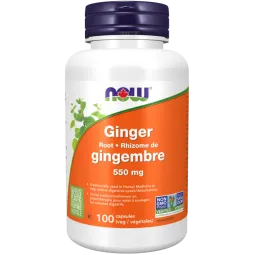
Ginger Root 550 mg, 100 Capsules
Product Code : NOW84680
Traditionally used in Herbal Medicine to help relieve digestive upset/disturbances Helps relieve lack of appetite, nausea, digestive spasms, indigestion, dyspepsia and flatulent colic (carminative) Vegetarian / Vegan
- -15%
- -15%
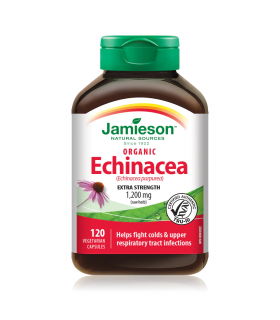
Organic Echinacea (Echinacea purpurea) 1,200 mg 120 Capsules
Product Code : JMS02564
Jamieson Echinacea 1,200 mg is a high potency, organic formula of pure Echinacea purpurea. Echinacea has been used traditionally in herbal medicine to fight off upper respiratory tract infections, relieve cold symptoms, and shorten the duration of colds and flu.
- -15%
- -15%
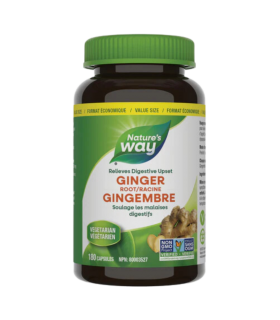
Ginger Root 180 Vegi Capsules
Product Code : NWY30659
Nature's Way Ginger Root is traditionally used in Herbal Medicine to help relieve digestive upset including lack of appetite, nausea, digestive spasms, indigestion, dyspepsia, and flatulent colic (carminative). Nature's Way Ginger Root is Vegetarian and Non-GMO Project Verified.
- -20%
- -20%
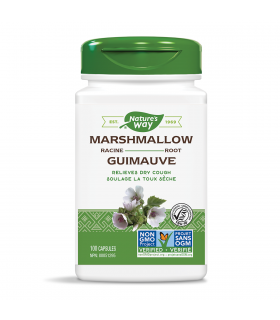
Marshmallow Root 100 Vegi Capsules
Product Code : NWY10431
Nature's Way Marshmallow Root is used in herbal medicine to relieve the irritation of the oral and pharyngeal mucosa and associated dry cough, and to relieve mild inflammation of the gastro-intestinal mucosa. Nature's Way Marshmellow Root is Vegetarian and Non-GMO Project Verified.
- -20%
- -20%

Echinacea Kids 50 mL
Product Code : SFR00812
Double down on preventing or diminishing viral infections, cold & flu The most powerful echinacea available, featuring purpurea and angustifolia, two strains delivering both antiviral and antibacterial protection plus maximum bioavailability These echinacea only products can be used by...
-5% IN CART
- Out-of-Stock
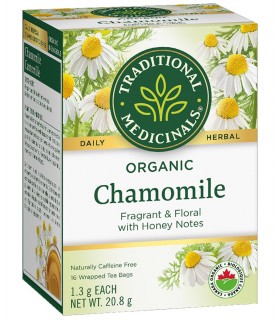
Organic Chamomile 16 Tea Bags
Product Code : TMD00735
Taste Fragrant and floral with honey notes. Plant Story Chamomile is the perfect tea for when you need to take a moment for a well-deserved rest. For this tea, we use chamomile’s prized flowers—the most potent part of the plant due to its high essential oil content. We source some of our...
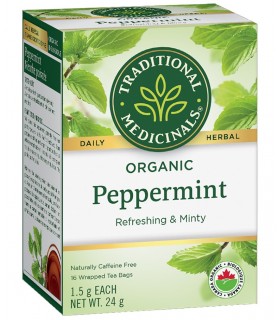
Organic Peppermint Tea 16 Tea Bags
Product Code : TMD00758
Taste Aromatic, refreshing and undeniably minty. Plant Story We source this peppermint primarily from our partner-growers in the Pacific Northwest. Their pristine conditions and organic practices help us achieve a crop that’s rich in essential oils, lending our tea its extraordinary,...
Leave a comment