











Is It Andropause? Do men get moody at 40?
Menopause is widely known as a symptom that only occurs in middle-aged women, but men can also experience menopause due to a decrease in sex hormones. Andropause usually occurs between the ages of 40 and mid-50s, during which time a man's hormone levels change, which can lead to a variety of physical and mental symptoms. However, each man or situation may have different experiences, and not all men experience these symptoms. If you think your symptoms of andropause are severe, it is recommended that you consult a medical professional. Your doctor can evaluate the cause of your symptoms and suggest appropriate treatment or management if necessary.
What is Andropause?
Common Causes of Andropause
Understanding Signs and Symptoms of Andropause
Why Men in Their Early Age Experience Andropause
Nutritious Foods and Supplements for Andropause
What is Andropause?
“Andropause” is a term sometimes used to describe age-related changes in male hormone levels, particularly testosterone. This is often referred to as the female equivalent of menopause. However, unlike menopause, in which women's estrogen levels decline relatively rapidly, men's menopause is characterized by a decrease in the production of testosterone, a male hormone associated with menopause. When a blood test is performed on healthy men with no other underlying diseases and the testosterone level is less than 3.5ng/ml, it is called andropause. Testosterone plays an important role in a variety of bodily functions, including maintaining bone density, muscle mass, red blood cell production, and regulating sex drive and mood. The most common symptoms that appear when testosterone levels are significantly low are decreased libido and decreased sexual function. The causes of andropause are not fully known, but some factors that may contribute to low testosterone levels include stress, lack of sleep, poor eating habits, lack of exercise, excessive drinking, smoking, low self-esteem, diabetes, and metabolic syndrome.
Common Causes of Andropause
Unlike the more dramatic reproductive hormone plunge that occurs in women during menopause, changes in men's sex hormones occur gradually. This is generally a natural and problem-free process, but if it is deficient, symptoms may appear. The causes of andropause are not fully known, but some factors that may contribute to low testosterone levels include:
Aging: The natural aging process is the main cause of andropause. Testosterone levels typically begin to decline in men in their late 30s or early 40s, and this decline continues as men age. Men's testosterone levels decrease by an average of about 1.6% per year after the age of 40, and approximately 30-50% of men in their 50s to 70s have levels below normal levels.
Chronic diseases: Some chronic diseases, such as diabetes and obesity, are associated with low testosterone levels. Chronic diseases can affect the endocrine system and hormone production.
Obesity: Excess weight, especially abdominal fat, has been linked to lower testosterone levels. Fat converts testosterone into estrogen, which can lead to an imbalance in hormone levels.
Stress: Chronic stress increases production of the stress hormone cortisol, which can disrupt normal production of testosterone.
Drugs: Some drugs, such as certain antidepressants, opioids, and corticosteroids, may affect testosterone production or metabolism.
Sleep disorders: Sleep disorders, such as sleep apnea or chronic insomnia, have been linked to low testosterone levels. Quality sleep is very important for hormonal balance.
Understanding Signs and Symptoms of Andropause
The signs and symptoms associated with andropause can be caused by a variety of factors and may vary from individual to individual, and not all men experience them. If a man is experiencing these symptoms and is concerned about their impact on his well-being, consult a medical professional. I recommend doing it. A blood test can measure your testosterone levels, and a comprehensive evaluation can help determine the root cause of your symptoms.
1. Fatigue and loss of energy: Men experiencing andropause may feel general fatigue and a decrease in overall energy levels.
2. Decreased libido: Decreased libido, or decreased frequency and strength of erections, is a common symptom. Along with decreased libido, men may experience changes in sexual function, including difficulty achieving or maintaining an erection (erectile dysfunction).
3. Mood changes: Some men may experience irritability, depression, or mood changes.
4. Loss of muscle mass: Testosterone is important for maintaining muscle mass, and a decrease in testosterone can lead to muscle loss. You lose a lot of muscle and your strength becomes weaker, which often makes it difficult to exercise consistently.
5. Weight gain: Changes in body composition may occur, including increased body fat and decreased lean muscle mass.
6. Sleep problems: You may develop insomnia or other sleep problems, making it difficult to fall or stay asleep.
7. Hair loss: It is common for the hairline to recede due to aging, but some men may notice an increase in hair loss related to andropause.
8. Decreased bone density: Testosterone is important in maintaining bone density, and low levels may increase the risk of osteoporosis. In other words, bone weakening occurs more often over a long period of time.
9. Mental problems: Some men may have difficulty concentrating, memory, or cognitive function.
Why Men in Their Early Age Experience Andropause
Andropause is a condition in which a man's testosterone production decreases as he ages. The term “andropause” can be used more broadly to describe the hormonal changes or symptoms experienced by men at various stages of their lives. Here are some reasons why men may initially experience symptoms reminiscent of andropause:
Natural Aging Process:
The main cause of andropause is the natural aging process. As men age, their testosterone production gradually declines. This decline begins as early as the late 30s or early 40s and continues throughout life.
Individual differences:
Testosterone levels and the onset of andropause symptoms may vary from person to person. Some men may experience a more noticeable decline in testosterone at an earlier age due to genetic factors, lifestyle, or other influences.
fig:
Certain health conditions, such as obesity, diabetes, or chronic diseases, can lead to hormonal imbalances and cause symptoms similar to andropause. These conditions can affect the endocrine system and interfere with normal hormone production.
Stress and lifestyle factors:
High levels of chronic stress, poor sleep quality, inadequate nutrition, and unhealthy lifestyle habits can affect hormonal balance, including testosterone levels.
Testicular dysfunction:
Some men may experience testicular dysfunction or injury, which can affect testosterone production. This may occur at an earlier age and may contribute to symptoms associated with andropause.
Drugs and Drug Use:
Certain medications, such as steroids or some antidepressants, can affect hormone levels. Substance use, such as excessive alcohol consumption or drug abuse, can also cause hormonal imbalances.
Nutritious Foods and Supplements for Andropause
Maintaining a healthy, balanced diet is very important for your overall well-being and can also play a role in managing symptoms associated with andropause, or age-related testosterone decline. Hormone replacement therapy can relieve andropause symptoms, but it can also put you at risk for developing prostate cancer, liver problems, and decreased testicular function. There are several natural remedies that can provide men with significant symptom relief without any side effects.
Include avocados, nuts, seeds, and olive oil in your diet as foods that provide nutritious, healthy fats to overcome andropause. These fats are essential for the production of hormones, including testosterone. Lean protein sources such as chicken, turkey, fish, eggs, and beans provide amino acids that are important for muscle maintenance and recovery. A variety of colorful vegetables provide essential vitamins, minerals and antioxidants. Cruciferous vegetables, such as broccoli and cauliflower, may be especially helpful for hormonal balance. Foods rich in zinc that are important for testosterone production include oysters, beef, pumpkin seeds, and lentils. Goji berry is a food that protects men whose kidney and liver functions are weakened due to andropause, and Cornus officinalis, which protects kidney function, strengthens the bladder, and strengthens reproductive function, is also very helpful in improving men's prostate and stamina.
Essential nutrients that help prevent problems associated with andropause include zinc, vitamin D, calcium, omega-3s, probiotics, and magnesium. To maintain gut health, probiotics may be helpful, and if your dietary intake is low, you may want to consider an omega-3 supplement, such as fish oil capsules. If your sun exposure is limited or blood tests show a deficiency, vitamin D supplements, which are important for testosterone, may help. Magnesium can contribute to nerve function and muscle health. Zinc, which is needed for the production of the male hormone testosterone, is especially important during andropause.
Source:
1.Male menopause: Myth or reality? - Mayo Clinic. https://www.mayoclinic.org/healthy-lifestyle/mens-health/in-depth/male-menopause/art-20048056.
2.Male Menopause: Symptoms, Age, Treatment, and More - Verywell Health. https://www.verywellhealth.com/male-menopause-5190827.
3.Andropause: Do Men Really Experience Menopause? - GoodRx. https://www.goodrx.com/health-topic/mens-health/andropause-male-menopause.
4. What Are the Common Signs and Symptoms of Male Menopause?. https://www.bodylogicmd.com/blog/what-are-the-common-signs-and-symptoms-of-male-menopause/.
5.At what age does Andropause Start? Male Menopause: Myth?. https://medicogenius.com/at-what-age-does-andropause-start-male-menopause-myth/.

HerbalFactors ProstCare, 90 Softgels
Product Code : NFT04186
Used in herbal medicine to help alleviate the symptoms of an enlarged prostate gland Improves symptoms such as weak urine flow, incomplete voiding, and frequent urination May improve sleep quality as a result of reducing nighttime urination Natural alternative to prostate drugs with no major...
- -15%
- Out-of-Stock
- -15%
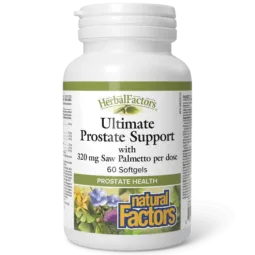
HerbalFactors Ultimate Prostate Support, 60 Softgels
Product Code : NFT03512
Supports healthy prostate tissue and function Used in herbal medicine to help relieve the urological symptoms (e.g., weak urine flow, incomplete voiding, frequent daytime and nighttime urination) associated with mild-to-moderate BPH Used in herbal medicine to help reduce difficulty in...
- -15%
- -15%
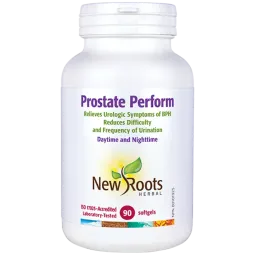
Prostate Perform 90 Softgels
Product Code : NRT00891
A healthy prostate begins with Prostate Perform A natural approach to keep your prostate healthy Get relief in just 7 to 10 days
- -10%
- -10%
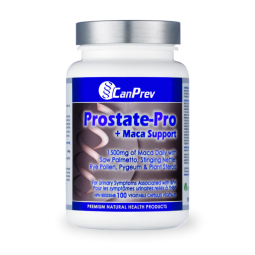
Prostate-Pro Maca Support 100 Vegi Capsules
Product Code : CNP00120
Reduces prostate swelling Improves urinary system complaints Supports optimal prostate health and libido Provides 1,500mg of Maca per dose
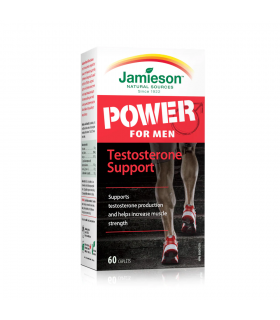
Power For Men Testosterone Support 60 Caplets
Product Code : JMS09030
Jamieson Power for Men testosterone support formula contains a synergistic blend of pure, natural ingredients to support healthy testosterone and energy levels. The powerful combination of ZMA (zinc + magnesium aspartate + B6) with beta-alanine increases muscle strength, endurance and supports...
- -15%
- -15%
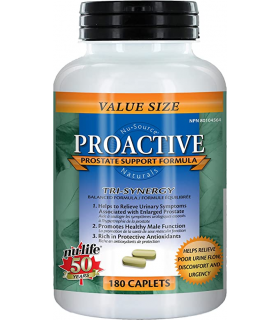
Nu-Life Proactive 180 Caplets
Product Code : NLF04217
Did you know that throughout a man's lifetime, the prostate gland normally increases in weight about 21 times, compared to its birth weight? Although the prostate gland grows during much of a man's life, urinary flow problems usually appear only after the age of 50 as a consequence of the final...
- Out-of-Stock
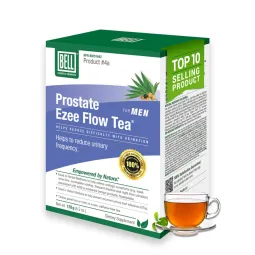
Prostate Ezee Flow Tea (Loose Tea) 120 g
Product Code : BEL10028
Used in Herbal Medicine to help relieve the urologic symptoms (e.g. weak urine flow, incomplete voiding, frequent daytime and night time urination) associated with mild to moderate benign prostatic hyperplasia. Helps reduce difficulty with urination. Used in Herbal Medicine to help reduce...
- -20%
- -20%

V Max Power 60 Capsules
Product Code : INN61201
5-in-1 for MALE ENHANCING supplement ERECTION pills 60, Maca Root Saw Palmetto Ginko Biloba L-Arginine Zinc, boosting LIBIDO ABSORB 3X MORE Efficient sex enhancers for males, Stay Active for LONGER TESTOSTERONE supplement for men Quality Vegan Vegetarian Formula, Tested and Trusted PROSTATE...

- -20%
- -20%