










Managing Post-Workout Fatigue and Muscle Soreness: Supplements and Nutrition Strategies
Have you ever finished an intense workout feeling a brief sense of accomplishment, only to find yourself struggling to move due to crushing fatigue and sharp muscle soreness? When exercise—undertaken for the sake of health—leads to exhaustion and pain, it can dampen your motivation and raise concerns about recovery. While many attribute these symptoms simply to a lack of fitness or the natural process of muscle conditioning, they are actually influenced by various factors, including exercise intensity, nutritional intake, and sleep. In particular, recovering muscle tissue and replenishing energy requires a balanced intake of protein and carbohydrates, as well as hydration and essential nutrients. So, just how effective are supplements like protein powder, magnesium, and omega-3s? In this article, we’ll cover everything from the scientific causes of post-workout fatigue and muscle soreness to effective supplement combinations and tailored dietary strategies that can double your recovery speed—so be sure to read until the end!
Why do fatigue and muscle soreness occur after a workout?
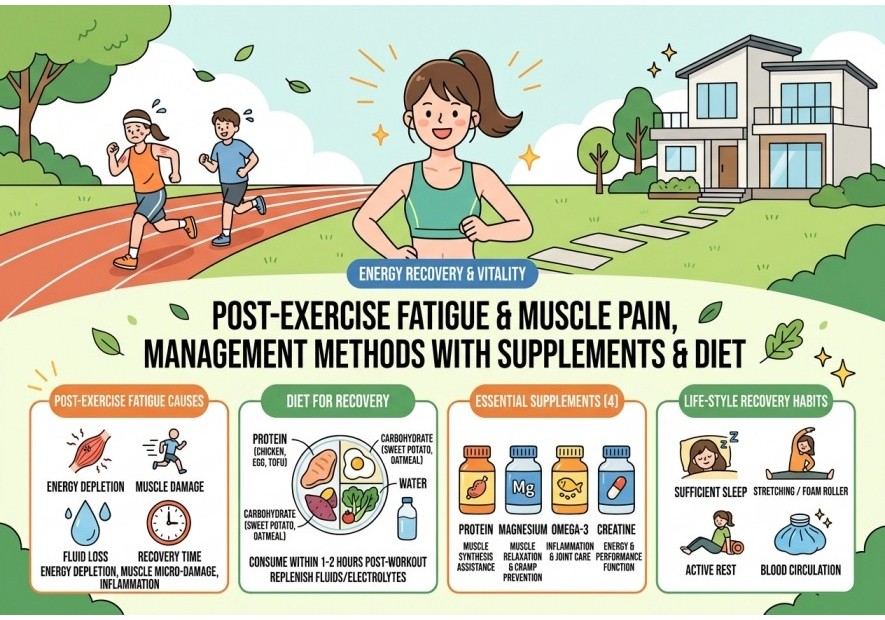
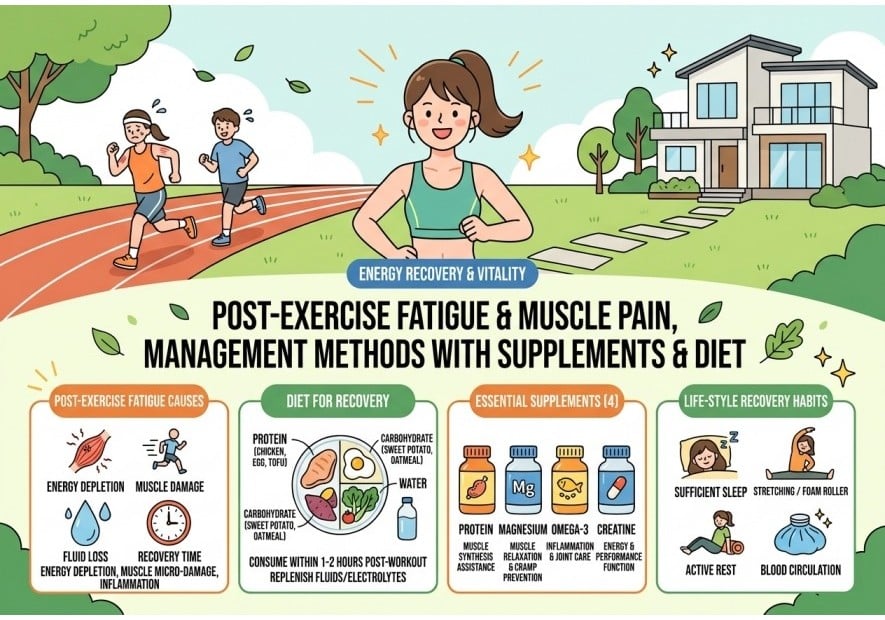
Feeling heavy and experiencing muscle stiffness after exercising isn't simply due to a drop in stamina. During a workout, the body consumes muscle glycogen for energy and loses fluids through sweat, while the muscles themselves may sustain microscopic damage and inflammation. Delayed Onset Muscle Soreness (DOMS), in particular, often occurs after performing unfamiliar exercises or suddenly increasing workout intensity; the pain typically peaks between 24 and 72 hours post-exercise. However, severe muscle soreness does not necessarily mean the workout was more effective. The level of pain is not directly proportional to muscle growth, and significant improvements in strength and stamina can be achieved even with little to no soreness. The key is not to push yourself to the limit indiscriminately, but rather to adjust the intensity appropriately and allow your body time to recover through proper nutrition and rest.
The Gold Standard for a 'Recovery Diet' to Quickly Revitalize Tired Muscles
When recovering muscles fatigued from exercise, how you balance your nutrient intake is just as important as the specific nutrients you consume. While the one- to two-hour window immediately following a workout is an ideal time for replenishment, it is not strictly mandatory to eat within that timeframe; your total daily nutrient intake matters just as much. Replenish protein—which aids in muscle tissue repair and resynthesis—with sources like chicken breast, eggs, tofu, or Greek yogurt, and pair it with complex carbohydrates such as sweet potatoes, oatmeal, or brown rice to restore energy expended during your workout. Good meal options include a dish featuring chicken breast, brown rice, and vegetables, or a simple meal of Greek yogurt mixed with oatmeal and a banana. A standard recovery diet should combine protein and carbohydrates, with portion sizes adjusted based on exercise intensity, duration, and body size. Additionally, ensure you drink plenty of water if you have sweated heavily, and consider replenishing electrolytes if you have engaged in prolonged exercise or lost significant amounts of electrolytes through sweat. Ultimately, consistently maintaining a balanced diet and adequate hydration is the foundation of healthy muscle recovery.
Four key nutrients to soothe muscle soreness and inflammation: protein, magnesium, omega-3, and creatine.
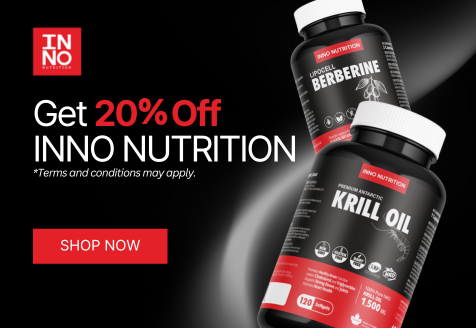
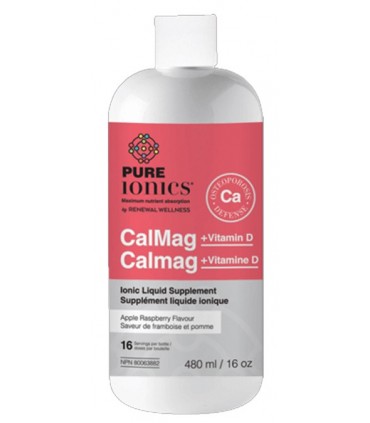
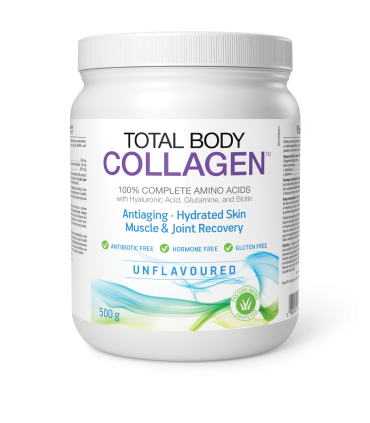
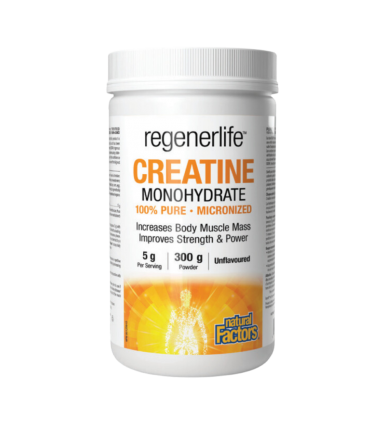
To support post-workout muscle recovery and manage fatigue, a balanced diet should be your foundation, though you might also consider using supplements to address any nutritional gaps. Protein supplies the amino acids necessary for muscle synthesis; if it is difficult to get enough from meals alone, protein supplements can be helpful. Magnesium plays a vital role in normal muscle and nerve function as well as energy metabolism, helping to prevent post-exercise cramps and fatigue. Omega-3 fatty acids help regulate inflammation, reducing the micro-inflammation caused by intense exercise and promoting joint and muscle recovery. Creatine aids in the rapid regeneration of ATP—a key energy source—within muscles, thereby enhancing strength training performance and the capacity for repeated high-intensity exercise; a consistent daily intake of 3–5g is recommended. Ultimately, by tailoring your nutrient intake to your dietary habits, fitness goals, and health status, you can effectively manage post-workout soreness and fatigue.
Conclusion
The fatigue and muscle soreness that follow an intense workout are natural signals from your body as it grows stronger. As we have discussed, a truly effective workout routine is only complete when paired with proper nutrition, essential supplements, and adequate rest. Make sure to consume enough protein for muscle recovery and carbohydrates to replenish energy, while also properly replenishing fluids and electrolytes. Supplements such as magnesium, omega-3, and creatine can be beneficial depending on your individual nutritional needs and fitness goals. Combining these with sufficient sleep and appropriate adjustments to exercise intensity creates an optimal environment for muscle recovery. Importantly, severe muscle soreness does not necessarily indicate a more effective workout; if pain persists, it is better to focus on recovery rather than pushing yourself too hard. Ultimately, consistent exercise, a balanced diet, and adequate rest are the fundamental principles for building healthy muscles. Start today by reviewing your exercise habits and diet, and begin implementing a recovery routine tailored to your body.
Frequently Asked Questions (FAQ)
Q. When is the best time to consume protein after a workout?
A. Consuming protein within 1–2 hours after a workout aids in muscle recovery, but it is not strictly necessary to do so within that specific timeframe. What matters most is ensuring adequate protein intake through your meals before and after exercise, as well as meeting your total daily protein requirements.
Q. Can the general public take creatine, or is it only for fitness experts and athletes?
A. Yes, the general public can safely consume creatine; it is highly beneficial for maintaining muscle strength and aiding recovery from fatigue. However, it is important to adhere to the recommended daily dosage (approximately 3–5g) and to drink plenty of water while taking it, as creatine draws water into the body.
Q. When is the best time to take magnesium or omega-3 after a workout?
A. Magnesium helps with muscle relaxation and improving sleep quality, so it is best taken in the evening or immediately after a workout. Omega-3 is fat-soluble, meaning it should be taken with or immediately after a meal to maximize absorption and prevent heartburn.
Source
1. “Nutritional and Supplementation Strategies to Prevent and Attenuate Exercise-Induced Muscle Damage: a Brief Review”
Authors: Harty PS, et al.
2. “The Impact of Dietary Protein Supplementation on Recovery from Resistance Exercise-Induced Muscle Damage: A Systematic Review with Meta-Analysis”
Authors: Alice G. Pearson, Karen Hind, and Lindsay S. Macnaughton.
3. “An Evidence-Based Approach for Choosing Post-exercise Recovery Techniques to Reduce Markers of Muscle Damage, Soreness, Fatigue, and Inflammation: A Systematic Review With Meta-Analysis”
Authors: Dupuy O, et al.
Journal: Frontiers in Physiology, 2018.
4. “Omega-3 Polyunsaturated Fatty Acid Supplementation for Reducing Muscle Soreness after Eccentric Exercise: A Systematic Review and Meta-Analysis of Randomized Controlled Trials”
Authors: Lv Z, et al.

Leave a comment