











Oil of Oregano 101: A Comprehensive Guide to Benefits, Uses, and Side Effects
Winter is a time when everyone is sensitive to the flu. Oregano oil is receiving attention as a natural substance that boosts immunity to prevent flu. Oregano oil is a natural substance extracted from the leaves and flowers of the oregano plant and is known to have antioxidant, antibacterial and anti-inflammatory properties, which have a number of potential beneficial effects. It may help fight infections, acne, yeast infections, fungal infections, and cancer. However, if consumed in large quantities or misused, it can be toxic and cause skin irritation. Always consult a healthcare professional before using oregano oil for medicinal purposes. This is especially true if you have pre-existing health conditions or are taking medications.
Discovering the Origins and Composition of Oil of Oregano
Identifying Its Beneficial Effects
How to apply Oil of Oregano Can Safely and Effectively
Relief Benefits for Flaky Skin, Seborrheic Dermatitis and Eczema
Natural Repellents: Enhancing Protection with Essential Oils and More
Discovering the Origins and Composition of Oil of Oregano
Oregano oil is a natural essential oil extracted from the oregano plant, scientifically known as Origanum vulgare. Oregano is a plant very similar to Mint, Basil, or Marjoram. It grows to about 30cm and has light green, oval-shaped leaves. This plant is native to the Mediterranean region but is also found in other parts of the world. It has a long history of widespread use for its antibacterial and anti-inflammatory properties, dating back to ancient Greece. Today, oregano oil is known for its antibacterial, antifungal and antiviral properties and is often used to treat a variety of diseases. The oil can be applied directly to the skin, inhaled, or taken orally.
The main active ingredients in oregano oil are carvacrol and thymol. These compounds contribute to the oil's antibacterial and antioxidant properties. Carvacrol is the main component of oregano oil and is well known for its antibacterial properties. It is said to be 20 times more powerful than phenol, which is used as an antibiotic. It is known to be effective against various bacterial infections, including Candida albicans, Staphylococcus aureus, Escherichia coli, Campylobacter, Salmonella, Klebsiella, Aspergillus, Giardia, and Listeria. Another important compound, thymol, has antibacterial properties, strengthens the immune system, acts as a barrier against toxins, prevents skin damage and aids healing. Other ingredients include cymene, terpinene, and lyna. Additional compounds, such as linalool, may be included, each exhibiting unique properties.
Oregano oil can be taken orally in capsule or liquid form or applied topically to the skin. However, it is important to use oregano oil with caution because it can cause irritation, allergic reactions, or interactions with some medications. It is also not recommended for pregnant or lactating women, children, or people with certain medical conditions. Therefore, it is recommended that you consult your doctor before using oregano oil, especially if you have health problems or are taking medications.
Identifying Its Beneficial Effects
Oregano leaves are said to have about 50 active ingredients. Oregano oil is known to have a number of potential beneficial effects due to its antibacterial, anti-inflammatory and antioxidant properties.
Antibacterial properties:
Oregano oil contains compounds such as carvacrol and thymol, which have been studied for their antibacterial effects. It can exhibit antibacterial, antiviral and antifungal properties, making it widely used to support immune health and fight infections.
Respiratory Health:
Some people use oregano oil as a natural treatment for respiratory illnesses such as colds, coughs, and respiratory infections. Antibacterial properties may help fight pathogens that affect the respiratory system.
Anti-inflammatory effects:
Oregano oil contains compounds that may have anti-inflammatory properties.
Digestive Health:
Oregano oil is sometimes used to support digestive health. It may help relieve symptoms of indigestion, bloating, and other stomach discomfort.
Immune System Support:
Some people use oregano oil to support the immune system, especially during periods of increased susceptibility to infection. Antibacterial and antioxidant properties may contribute to immune support.
Skin condition:
When diluted with a carrier oil, oregano oil is sometimes applied topically to skin conditions such as acne or fungal infections. Its antibacterial properties may help fight pathogens on the skin.
Antioxidant activity:
Oregano oil contains antioxidants that help neutralize free radicals in the body. The antioxidants in 1 gram of fresh oregano are said to be 42 times more than apples, 30 times more than potatoes, 2 times more than oranges, and 4 times more than blueberries.
Cancer substance removal effect (anti-cancer effect)
Canosol, a phytochemical found in oregano, has been shown to have positive effects against prostate, breast, skin, leukemia, and colon cancer. In test-tube studies on cancer cells, carvacrol has shown promising results against lung, liver, and breast cancer cells. It has been found to inhibit cell growth and cause cancer cell death.
How to apply Oil of Oregano Can Safely and Effectively
There are different ways to use oregano oil depending on your purpose and preferences. However, it is very powerful and can cause side effects, so it is important to use it safely and effectively. Here are some general tips on how to apply oregano oil:
- If you are using pure essential oil form, do not ingest the essential oil as it is. Do not use undiluted oregano oil directly on the skin as it can cause irritation and may be too strong for some individuals.
- If the diluted oil form is used, it can be taken orally or applied topically. However, you should always dilute oregano oil with a carrier oil such as olive oil or coconut oil before use. A typical dilution ratio is 1 to 2% (1 to 2 drops of oregano oil per teaspoon of carrier oil).
- When taking orally, consult a medical professional before taking. Consumption should be as directed and is generally not recommended for children, pregnant women, or people with certain health conditions. Add a few drops of diluted oil to a glass of water, juice, or honey and take 1-2 times a day.
- To apply topically, simply dab the diluted oil onto the area using a cotton swab or clean cloth. You can also massage the diluted oil into your skin or add it to your bath water. This may help with acne, rashes, bug bites, fungal infections, or pain.
- If you are using the capsule or tablet form, follow the dosage instructions on the label or consult your doctor. You can swallow the capsule or tablet with water or food, or open it and mix it with water, juice, honey, etc. This may help with overall health, immunity, or disease prevention.
- Oregano oil can be diffused into the air using an essential oil diffuser to enjoy its aromatic effect. It is helpful for respiratory health and creating a comfortable environment.
- Do a patch test before applying to the skin to check for allergic reaction or sensitivity. Discontinue if side effects occur. If any adverse reactions such as itching or irritation occur during use, discontinue use and seek medical attention.
- Do not use oregano oil for more than 2 weeks at a time. Liver damage or other side effects may occur. Rest for at least a week before resuming use. Do not exceed recommended dosage or frequency of use as this may cause toxicity or overdose.
Relief Benefits for Flaky Skin, Seborrheic Dermatitis and Eczema
Oregano oil is also used as a natural treatment for a variety of skin conditions, including dry skin, seborrheic dermatitis, and eczema. However, it is important to use it with caution as reactions may vary from person to person. Here are some ways you can consider oregano oil for relief against these skin conditions:
- Oregano oil, combined with a natural, fragrance-free moisturizer, can help combat flaky skin and the dryness caused by eczema.
- Oregano oil contains compounds with potential anti-inflammatory effects. Applying diluted oil may help soothe inflammation associated with the skin condition.
- Oregano oil's antibacterial properties may help fight bacteria and fungi that cause skin problems such as seborrheic dermatitis and eczema.
-Before using oregano oil for skin conditions, those with sensitive skin or allergies should exercise caution and consult a dermatologist or healthcare professional to determine if it is a suitable option for your specific condition.
Natural Repellents: Enhancing Protection with Essential Oils and More
Natural insect repellents are substances that can prevent insects and other pests from biting, stinging or invading your home or garden. It is usually made from botanical ingredients such as essential oils, herbs, spices or flowers. Oregano oil is a natural insect repellent that is effective against various insects such as mosquitoes, beetles, fleas, cockroaches, etc., mainly due to its active compounds such as carvacrol and thymol, which have antibacterial and insecticidal properties. When sprayed on plants and animals, it also eliminates insects living on plants and fleas living on pets. Oregano oil can be used as a spray on skin or clothing, or as a barrier to prevent insect infestation around the home.
Some studies have shown that oregano oil may provide short-term protection against certain insects. Its effectiveness may not last as long as some synthetic insect repellents. There is a lack of comprehensive scientific research specifically focusing on the insect repellent effects of oregano oil. Some laboratory studies suggest that certain compounds in oregano oil may have insecticidal properties, but more research is needed to confirm its efficacy in real-world settings.
Source:
1. 9 Benefits and Uses of Oregano Oil - Healthline. https://www.healthline.com/nutrition/9-oregano-oil-benefits-and-uses.
2. Oregano Oil: Health Benefits, Nutritional Value, Uses and Risks https://www.webmd.com/diet/oregano-oil-good-for-you.
3. Oregano oil (Origanum vulgare) - information on origin source
https://essentialoils.co.za/essential-oils/oregano.htm.
4. Oregano essential oil: 10 health benefits and how to use it. https://www.medicalnewstoday.com/articles/324203.
5. Oregano Oil for Cold and Flu: Research, Safety, Methods, and Dosage. https://www.healthline.com/health/oregano-oil-for-cold.
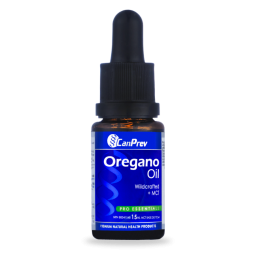
Oil of Oregano 15 ml
Product Code : CNP00161
Steam-distilled, wildcrafted oregano oil from the Mediterranean mountains Oil of oregano provides 75% naturally occurring carvacrol
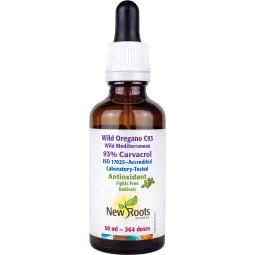
Wild Oregano C93 50 ml
Product Code : NRT01476
Source of antioxidants 93% carvacrol Wildcrafted
-10% IN CART
- Hidden Deal In Cart
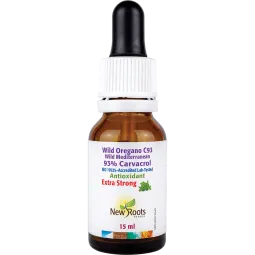
Wild Oregano C93 Extra Strong 1:3 Blend Oregano Oil to Olive Oil 15 ml
Product Code : NRT02094
Wild Oregano C93 has among the highest carvacrol percentages of volatile oils available. Wild-crafted from sustainable sources in the Anatolian mountains range in Turkey, we exclusively use Origanum minutiflorum, the revered species considered the best quality worldwide.
-10% IN CART
- Hidden Deal In Cart
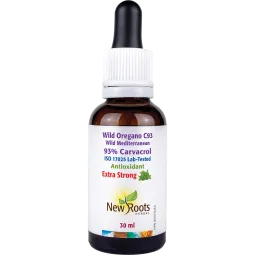
Wild Oregano C93 Extra Strong 1:3 Blend Oregano Oil to Olive Oil 30 ml
Product Code : NRT02095
Wild Oregano C93 has among the highest carvacrol percentages of volatile oils available. Wild-crafted from sustainable sources in the Anatolian mountains range in Turkey, we exclusively use Origanum minutiflorum, the revered species considered the best quality worldwide.
-10% IN CART
- Hidden Deal In Cart

Oregano Oil 25 ml
Product Code : JMS07826
Jamieson Oregano Oil with vitamin E comes in an easy to use dropper bottle and provides extra strength oregano oil coupled with the powerful antioxidant vitamin E. Distilled from the leaves of the oregano plant, oregano oil helps fight unwanted bacteria to support a healthy immune system.
- -15%
- -15%
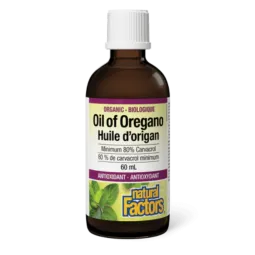
Organic Oil of Oregano, 60 mL
Product Code : NFT04572
Antioxidant for the maintenance of good health Standardized to 80% carvacrol, the constituent responsible for oregano’s health effects Has one of the highest antioxidant scores of any herb Steam-distilled from hand-picked, wildcrafted, organic oregan Convenient liquid
- -20%
- -20%
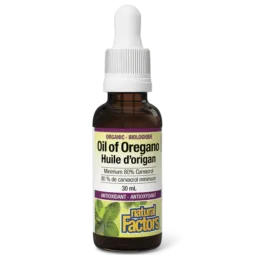
Organic Oil of Oregano, 30 mL
Product Code : NFT04571
Antioxidant for the maintenance of good health Standardized to 80% carvacrol, the constituent responsible for oregano’s health effects Has one of the highest antioxidant scores of any herb Steam-distilled from hand-picked, wildcrafted, organic oregan Convenient liquid
- -20%
- -20%
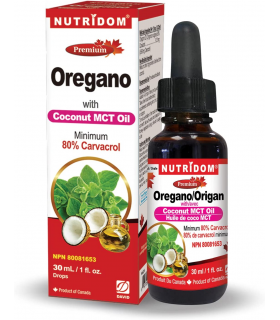
Oregano with MCT Oil Drops 30 ml
Product Code : NTD10366
Nutridom Oregano with MCT oil drops provides antioxidants.
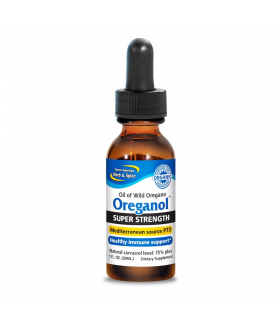
Oreganol P73 Oil (Super Strength) 30 ml
Product Code : NHS00020
Oreganol P73 is the original and only truly wild full-spectrum, whole food oregano oil, 100% Mediterranean-source. SuperStrength is 300% more potent than regular strength. It’s handpicked and ethically harvested plus never farm-raised. This is the only tested-researched daily use wild oregano...
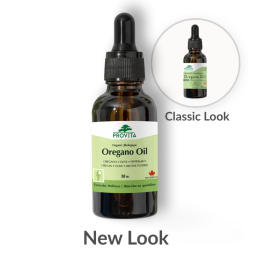
Organic Oregano Oil 30 ml
Product Code : PRV00302
Provita’s certified organic wildcrafted mediterranean Oregano Oil has clinical strength 80% Carvacrol (the active ingredient), in a base of organic virgin olive oil with added hints of organic Peppermint oil.
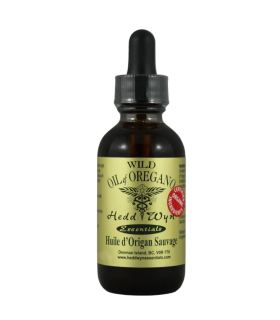
Wild Oil of Oregano 30 ml
Product Code : HDW62910
Wild Oil of Oregano is a potent health aid. Its primary active ingredient, Carvacrol, when laboratory tested, proved to be one of the strongest antiseptics known to man.
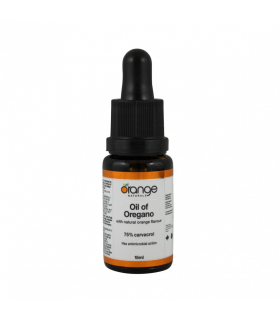
Oil of Oregano min 75% carvacrol orange MCT 15 ml
Product Code : ORN02010
Oregano is a powerful antioxidant derived from the oregano herb. Oil of Oregano has been used traditionally for a wide range of ailments, including colds and flus, indigestion, dental cavities, respiratory disorders, rheumatoid arthritis and urinary tract infections. It is currently being studied...
-10% IN CART
Leave a comment