







Quercetin: Its Antioxidant, Anti-Inflammatory, and Anti-Allergic Benefits
Phytochemicals, which exhibit drug-like effects in food, are typically composed of vitamins, polyphenols, amino acids, etc. They regulate cellular signaling pathways related to disease, inhibit, or promote the expression of related genes, and are known for their preventative properties.
Quercetin is a well-known flavonoid, a plant pigment found prominently in fruits and vegetables with red and orange hues. It is especially abundant in onion skins and is known for its potent antioxidant effects. Additionally, it acts as a natural antihistamine and anti-inflammatory agent, potentially reducing symptoms of food allergies, asthma, and skin hives. Foods rich in quercetin, which can be found in the diet, are elderberries, onions, cranberries, kale, blueberries, apples, sweet potatoes, and can also be present in green tea and red wine.
Quercetin Benefits
Foods Rich in Quercetin
Quercetin Side Effects
Quercetin Dosage
Recommended Products
Quercetin Benefits
1. Antioxidant Effects
Quercetin, a powerful flavonoid, is known for its strong antioxidant effects. When consumed, it helps remove accumulated reactive oxygen species in the body, preventing cell damage and delaying aging.
2. Anti-Inflammatory Effects
Quercetin is most useful in regulating or suppressing inflammatory pathways and functions. It shows significant efficacy in immune and inflammation related to white blood cells and other cell signaling. In addition to these, it has shown effectiveness in arthritis, high cholesterol, heart diseases, circulation issues, insulin resistance, diabetes, eye diseases including cataracts, allergies, asthma, ulcers, cognitive disorders, gout, viral infections, inflammation of the prostate, bladder, and ovaries, chronic fatigue syndrome, cancer, chronic prostate infections, skin inflammation, and hives.
3. Anti-Allergic
Quercetin serves as a natural antihistamine, relieving symptoms like coughing, tearing, runny nose, hives, swollen lips or tongue, and itching caused by allergies (hay fever, atopy, etc.). Histamines are chemicals produced by the immune system, and they help alleviate allergic reactions. When used for allergies, especially seasonal ones, it is recommended to take quercetin throughout the season. Quercetin has been reported to show similar or better results compared to cromolyn, a drug often prescribed for allergy and asthma prevention.
4. Blood Pressure Regulation
Quercetin has been shown to reduce the risk of a dangerous condition called atherosclerosis caused by plaques in arteries. Research indicates the potential of quercetin to lower blood pressure. When quercetin was administered daily to rats with high blood pressure for five weeks, systolic and diastolic blood pressure values decreased by an average of 18% and 23%, respectively. Similarly, in a clinical study of 580 people, daily supplementation of over 500mg of quercetin reduced systolic and diastolic blood pressure by an average of 5.8 mm Hg and 2.6 mm Hg, respectively.
5. Cardiovascular Disease Prevention
According to research, quercetin enhances overall cardiovascular health. It promotes blood flow, and its antioxidant action protects against the oxidation of LDL cholesterol. Excessive LDL cholesterol can lead to atherosclerosis, heart attacks, and strokes.
6. Anti-Cancer Effects
Quercetin has been found to inhibit the growth of cancer cells and induce apoptosis, a process of programmed cell death. Therefore, adequate quercetin intake in a healthy diet may help in cancer prevention.
7. Skin Health
Quercetin naturally supplies nutrients to the skin and improves skin texture. It fights factors that promote premature aging, and its antioxidant action counteracts early aging due to oxidative stress. It also protects the skin from symptoms related to allergies, inflammatory conditions, and autoimmune skin diseases. Quercetin, like other flavonoids, blocks the release of many inflammatory cytokines such as IL-8 and TNF. This may provide relief to those who cannot find relief from other treatments or prescriptions.
8. Dietary Effects
Quercetin plays a role in removing genes that cause inflammation of fat cells, which can be expected to have a dieting effect. When quercetin was given to mice for 12 weeks along with a high-fat diet, there were significant results such as a 23% reduction in fat, 24% reduction in triglycerides, and 22% reduction in visceral fat, compared to the group that did not receive it.
Foods Rich in Quercetin
Foods that are rich in quercetin include red onions, white onions, cranberries, hot peppers, kale, blueberries, pomegranates, romaine lettuce, pears, and spinach. The quercetin content is about 1.5 times higher in red onions, which are commonly used in salads. It is advised to consume quercetin in its raw form as this preserves the nutritional benefits without being destroyed, like when cooked. Additionally, quercetin is most abundant in onion skins, so those who enjoy onion skin tea might benefit from its high quercetin content.
Quercetin Side Effects
Excessive quercetin consumption can lead to nausea or vomiting, depending on individual tolerance. Therefore, it is advisable to adhere to the recommended daily dosage of 500-1000 mg.
Quercetin Dosage
The general recommended daily dosage is between 500-1,000 mg. Quercetin has low bioavailability, meaning it is not well absorbed by the body. Including other compounds like vitamin C and digestive enzymes such as bromelain in supplements can enhance its absorption. Furthermore, some studies suggest that quercetin, when taken in combination with other flavonoid supplements like resveratrol, genistein, and catechin, shows a synergistic effect.
Recommended Products
1. High Absorption Rate (Over 10x): Natural Factors Quercetin LipoMicel Matrix
2. With Bromelain for Enhanced Absorption: NOW Quercetin with Bromelain
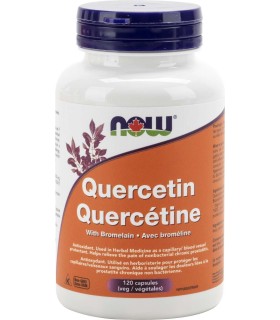
Quercetin with Bromelain, 120 Capsules
Product Code : NOW83070
Helps relieve the pain of nonbacterial chronic prostatitis Supports Healthy Seasonal Immune Function Enhanced with Bromelain for improved absorption and activity Fast-acting Veg capsule delivery Citrus-free Vegetarian / Vegan
- -15%
- -15%
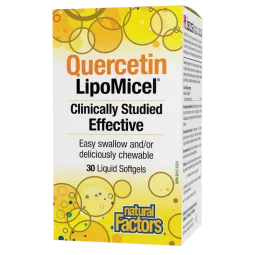
Quercetin LipoMicel Matrix 250 mg, 30 Softgels
Product Code : NFT01379
Provides a source of antioxidants Used in herbal medicine as a blood vessel protectant
-30% IN CART
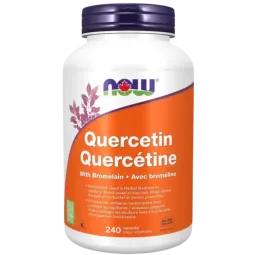
Quercetin with Bromelain, 240 Capsules
Product Code : NOW83071
Helps relieve the pain of nonbacterial chronic prostatitis Supports Healthy Seasonal Immune Function Enhanced with Bromelain for improved absorption and activity Fast-acting Veg capsule delivery Citrus-free Vegetarian / Vegan
- -15%
- -15%
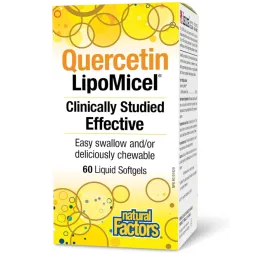
Quercetin LipoMicel 60 Softgels
Product Code : NFT01378
Provides a source of antioxidants Used in herbal medicine as a blood vessel protectant
-30% IN CART
Leave a comment