










Radioactive Water and Human Health : Risks and Protective Measures
The Japanese government has announced that it will proceed with the ocean discharge of Fukushima contaminated water starting this summer, ignoring the strong opposition and concerns of many experts and civil society organizations around the world.Ahead of the discharge of contaminated water from Japan's nuclear plant into the Pacific Ocean, fears over seafood from Fukushima have been revived.Simulations of the discharge of contaminated water from the Fukushima nuclear plant have predicted that it will reach the Pacific Ocean and the waters of the South China Sea in seven months, and the East and South Seas around the Korean Peninsula in 18 months.We look at what radioactive contaminated water is and how to protect our health.
What is Radioactive water?
Health Risks Associated with Radioactive Water
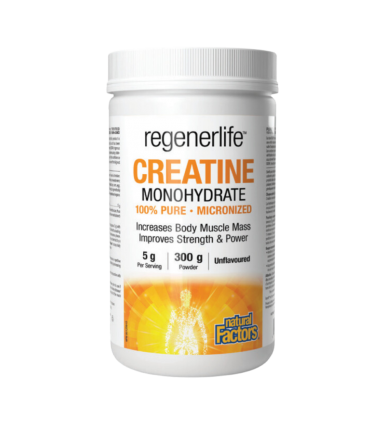
Steps to Protect Yourself from Radioactive Water Exposure (supplements)
Reliable Sources for Updates on Radioactive Water Contamination
Treatment Methods for Radioactive Water
What is Radioactive water?
Radioactive water typically results from the treatment of water containing radioactive material at nuclear power plants or nuclear fuel processing facilities. Nuclear power plants use large volumes of water to cool nuclear fuel, and this water becomes radioactive due to its interaction with the fuel. This radioactive water contains radioactive isotopes and can emit radiation that is harmful to humans.
Disposal of radioactive water is an important issue, and most nuclear power plants have systems in place to treat radioactive water to safe levels. Typically, radioactive water goes through several stages of purification to remove radioactive material from the water and treat it to safe levels. The treated water is usually released into the ocean, stored in an underground water table, or even reused in the nuclear power plant again after the radioactive material is removed.
Health Risks Associated with Radioactive Water
The health risks associated with radioactive water are primarily related to exposure to radiation. Radiation is a high-energy particle or electromagnetic wave that can have negative health effects when directly or indirectly exposed to the human body.Consuming seafood contaminated with radioactivity results in additional radiation exposure to the human body, which can be harmful if it exceeds threshold levels. Long-term exposure to certain radioactive isotopes found in seafood, such as cesium-137, can increase the risk of developing various types of cancer, including solid tumors. Iodine-131 has a particular affinity for the thyroid gland and can affect thyroid health. Health risks from radioactive water include
*Radiation burns: Radioactive materials in radioactive water can cause radiation burns if they come into contact with the skin. This can cause a reddish discoloration of the skin and burn-like symptoms.
*Internal contamination: Internal contamination can occur when radioactive material is absorbed into the body by digesting or breathing radioactive water. This causes radiation to be generated internally, directly affecting tissues and organs, and can lead to cell damage, mutation, and cancer development.
*Genetic effects: Radiation exposure from radioactive water can cause genetic mutations, which can transmit genetic abnormalities through generations.
*Pregnancy and fetal health risks: If a woman who is pregnant is exposed to radioactive water, there may be a risk to the fetus. Radiation can affect cell division and development in the fetus, and can result in birth defects, developmental delays, and genetic abnormalities.
Steps to Protect Yourself from Radioactive Water Exposure (supplements)
To protect yourself from radioactive water, you can follow these methods
*Avoid contact: Avoid direct contact with radioactive water. If radioactive material is present in the water, you should wear protective equipment such as gloves to avoid skin contact.
*Respiratory protection: In areas where exposure to radioactive water is likely, wear a mask or respiratory protection to prevent inhalation of radioactive particles or fine dust.
*Maintain distance: In areas contaminated with radioactive water, it is important to maintain as much distance as possible. The intensity of radiation is inversely proportional to distance, so keeping a safe distance will minimize your exposure.
*Use personal protective equipment: Safe personal protective equipment should be used in tasks or environments where exposure to radiation from radioactive water is likely. This can include radiation-shielding clothing, safety glasses, and a respirator.
*Follow safety instructions: If you are working in or exposed to a location where radioactive water is present, you should follow the safety guidelines and procedures provided by the facility or organization.
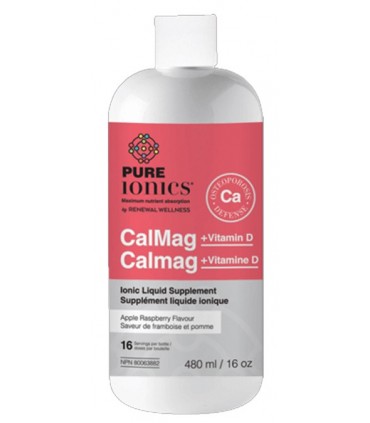
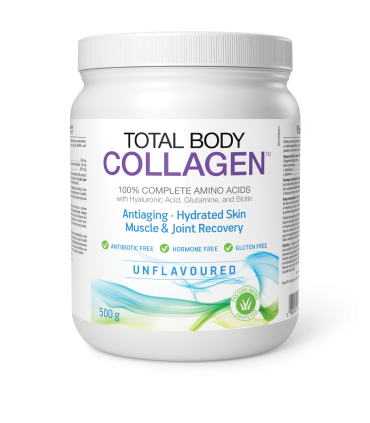
*Eat a variety of nutrients: It is important to consider a variety of nutrients to maintain and recover from exposure to radioactive water. Maintain a balanced diet that includes a variety of foods, and consider taking nutrients such as vitamin C, vitamin E, and zinc to help strengthen the immune system and prevent cellular damage.
Reliable Sources for Updates on Radioactive Water Contamination
Reliable sources that provide updates on radioactive water contamination are scientifically based and can help provide the latest trends and safety guidance on radioactive water contamination. However, depending on the actual situation, the sources you should consult may vary by region or country, so we recommend that you prioritize information from your country's official agencies or regulatory bodies.
1. World Health Organization (WHO): The WHO is an international health organization that provides information related to radiation and nuclear safety. It provides the latest information on radioactive contamination and updates on safety regulations, and its information is scientifically based. You can find relevant information on the WHO's website.
2. International Atomic Energy Agency (IAEA): The IAEA is an international nuclear organization and provides information related to nuclear energy and radiation safety. It provides the latest trends, safety guidelines, regulations, and more related to radioactive water contamination, and you can find reliable information on its website.
3. National Nuclear Regulatory Agency: Each country has a regulatory agency responsible for nuclear power generation and radiation management. You can find updates and safety guidelines related to radioactive water contamination on their websites.
4. Public health organizations: Countries have public health organizations that may provide updates and safety guidance on radioactive water contamination. You can find relevant information on the website of your country's public health agency.
Treatment Methods for Radioactive Water
It is important to follow the regulations and safety standards of national and local regulatory agencies for safe radioactive water disposal. Following their guidance and advice, and seeking professional assistance, will help ensure safe and effective radioactive water treatment.The safe treatment of radioactive water includes the following steps.
1. Accurate measurement and analysis: Before treating radioactive water, it is important to accurately measure and analyze the concentration of radioactivity in the water and the type and amount of radioisotopes it contains. This is necessary to determine the appropriate treatment method.
2. Maximum removal or separation: A radioactive water treatment system should include a process to remove or separate the radioactive isotopes as much as possible. Typically, this process consists of several steps and uses methods such as filtering, sedimentation, adsorption, and evaporation to remove or separate the radioactive material.
3. Interim storage and safe keeping: After radioactive water is treated, it must be stored in a safe interim storage facility or container. This is important to maintain the stability of the radioactive material and minimize environmental contamination or human health risks.
4. Final treatment and disposal: Safe methods for disposing of radioactive water should follow the guidelines and regulations of national or local regulatory agencies. The final disposal method means choosing a safe way to dispose of the radioactive water. This could include ocean release, storage in groundwater formations, or removal of radioactive material and reuse in a nuclear power plant.
5. Monitoring and oversight: The radioactive water treatment system should include monitoring and oversight procedures. This ensures that the radioactive water treatment process and waste management is safe and that appropriate actions are taken.
References:
1.Protecting yourself from radiation
https://www.epa.gov/lep/radiation-protection-korean
2.How to decontaminate if you are contaminated with radioactive material
https://photohistory.tistory.com/9839
3.Fukushima: Japan's decision to release contaminated water from nuclear plant...why the controversy?
https://www.bbc.com/korean/news-56672262.
4.Radiation Damage - Injury and Poisoning For the General Public.
https://www.msdmanuals.com/
Leave a comment