








Strep Throat: Symptoms, Treatments, and Home Remedies
Recently, the number of patients with ‘strep throat’, which is a symptom of swelling in the throat and very painful swallowing, has been increasing. According to the federal Centers for Disease Control and Prevention (CDC), one in 10 American adults with a sore throat is strep throat. Most sore throats are caused by a sore throat, that is, a virus, and recover naturally after a few days. However, in the case of strep throat, it is an infection caused by bacteria called streptococci, and may cause severe symptoms such as a sore throat and may require treatment with antibiotics. It can be easily mistaken for other diseases, so quick and accurate diagnosis and treatment are needed to prevent transmission to others and prevent complications.
Exploring Strep Throat: Unveiling Symptoms and Causes
Effective Treatments for Strep Throat: Medical and Home Remedies
Strengthening Your Immune System: Natural Approaches to Combat Strep A Symptoms
Strep Throat Prevention: Strategies for Avoiding Infection and Spread
Nutritional Support for Strep Throat Recovery: Recommended Supplements
Exploring Strep Throat: Unveiling Symptoms and Causes
Strep pharyngitis is a contagious bacterial infection that begins in the throat. This disease is actually so common that 30 million people get it every year in the United States alone. And although children and people with weak immune systems are more likely to get sick than healthy adults, anyone, regardless of age, is at risk of getting sick when they come in contact with pollutants. The symptoms of tonsillitis and strep throat are very similar. They all cause sore throat, fever, difficulty swallowing, and swollen lymph nodes in the neck. However, tonsillitis can cause a white or yellow coating (mucus, pus) on the tonsils and bad breath. Meanwhile, strep throat often causes small red spots called petechiae on the roof of the mouth (granulomatous pharyngitis) and a sore throat.
There are many different causes of strep throat. It can mainly be caused by bacterial or viral infections. In the case of bacterial strep throat, common bacteria include Staphylococcus aureus or Staphylococcus aureus. In the case of viral strep throat, enterovirus or influenza virus can be the main cause. It is highly contagious and can spread through respiratory droplets from an infected person. It is impossible to confirm that you have strep pharyngitis unless you go to the hospital, and even if you go to the hospital, you must undergo a proper test to confirm whether you are infected. Common symptoms of strep throat include:
*Sore throat: The characteristic symptom is severe sore throat, often accompanied by pain and redness and swelling of the neck.
*Fever: Many people with strep throat develop a fever, typically over 38.3°C (101°F).
*Throat swelling: Swelling may occur in the back of the neck. Lymph nodes are usually swollen and tender when pressed.
* Difficulty swallowing: If the soreness in your throat is moderate, but the pain is severe when swallowing something, you may suspect strep pharyngitis. Difficulty swallowing due to pain is a common symptom among people suffering from strep throat.
*Red tonsils: When you observe the tonsils, they will definitely be swollen and a brighter or darker red color than usual. You may also find that your tonsils are covered with white dots. These white dots can be found just above the tonsils or inside the throat. Sometimes it appears yellow instead of white.
*Bad breath: Not all patients have bad breath, but infections caused by streptococci can cause severe bad breath. It is the result of bacteria multiplying inside the oral cavity.
Effective Treatments for Strep Throat: Medical and Home Remedies
Strep throat can be a fatal condition, so you should seek immediate help from a medical professional. These infections usually require antibiotic treatment. This includes giving antibiotics as well as supportive treatments to relieve symptoms. In particularly severe cases, hospital treatment may be required. Below are general guidelines for effective treatments for strep throat.
Antibiotics: Doctors usually prescribe antibiotics (such as penicillin or amoxicillin) to treat strep throat. Starting antibiotics early helps prevent complications and reduces the risk of the infection spreading.
Pain relievers and fever reducers: Over-the-counter pain relievers, such as acetaminophen (Tylenol) or ibuprofen (Advil), taken as directed by your doctor, may help reduce fever and relieve sore throat and inflammation.
Proper nutrition: When you have a sore throat, eat foods that are soft and easy to swallow, such as soup, yogurt, or mashed potatoes. Avoid spicy or acidic foods that can irritate your throat. It is important to eat nutrient-rich foods to strengthen your immune system and aid healing. If your food intake is insufficient, you can supplement it by taking nutritional supplements.
Hydration: Drink plenty of fluids such as water, herbal tea, and broth to keep your throat moist and prevent dehydration. Avoid caffeinated and alcoholic drinks as they can make dehydration worse. Chamomile or ginger tea may help relieve symptoms. A sip of warm water mixed with honey and lemon can soothe your throat.
Lozenges or sprays: Lozenges or sprays containing anesthetics, such as benzocaine, may be especially helpful in soothing a sore throat and reducing discomfort while swallowing.
Salt water gargle: Gargling with warm salt water several times a day can help reduce inflammation in the throat and relieve pain. Add half a teaspoon of salt to a cup of warm water, gargle for 30 seconds and spit it out.
Humidifier: Using a humidifier in your bedroom can help keep the air moist, which can soothe your throat and ease discomfort, especially at night.
Strengthening Your Immune System: Natural Approaches to Combat Strep A Symptoms
Although natural approaches can help strengthen your immune system, they should not replace medical treatment for strep throat. If you suspect you have strep throat, it is important to contact your healthcare provider for appropriate diagnosis and treatment.
Eat a balanced diet: Focus on eating a balanced diet rich in fruits, vegetables, whole grains, lean proteins, and healthy fats. Consuming yogurt or fermented foods rich in probiotics can improve digestion and inhibit the growth of harmful bacteria.
Stress Management: Stress can weaken your immune system, so it is important to learn and practice stress management techniques to reduce stress. You can utilize techniques such as yoga, meditation, and breathing exercises.
Get enough sleep: It is recommended that you get 7 to 9 hours of quality sleep each night to help your immune system function optimally. Establishing a regular sleep schedule and creating a relaxing bedtime routine can help improve your sleep quality.
Regular exercise: Getting regular physical activity can help strengthen your immune system by improving blood circulation, reducing inflammation, and promoting overall health. It is recommended to combine moderate aerobic exercise and strength training.
Immune-boosting supplements: Certain herbs and plants have immune-boosting properties that help strengthen the body's defenses. Examples include echinacea, elderberry, astragalus, and garlic. Nutrients such as vitamin C, vitamin D, zinc, and probiotics help strengthen the immune system, repair tissue damage, and reduce the risk of various diseases.
Proper hygiene: Practicing good hygiene habits, including washing your hands frequently with soap and water, avoiding close contact with people who are sick, and covering your mouth and nose when coughing or sneezing, can help prevent the spread of infection.
Strep Throat Prevention: Strategies for Avoiding Infection and Spread
Preventing the spread of strep throat is essential to protecting yourself and others from infection. Here are some strategies to prevent infection and minimize the spread of strep throat:
Hand hygiene: It is very important to wash your hands regularly with soap and water. Alcohol-based hand sanitizers can be used, especially before eating, after using the bathroom, and in situations where soap and water are not available.
Cover your mouth and nose: It is important to cover your mouth and nose when coughing or sneezing. Used tissues or trash cans must be disposed of immediately.
Avoid contact: Avoid contact with individuals who have strep throat or are showing symptoms of a respiratory infection. This includes not sharing eating utensils, drinking glasses, or personal items with someone who is sick. If you have strep throat or other infectious symptoms, you should avoid work, school, or social gatherings and stay home to prevent spreading the infection to others.
Strengthen your immune system: Take steps to support your immune system by eating healthy, exercising regularly, managing stress, staying hydrated, and getting enough sleep.
Cleaning and Disinfecting: Reduce the spread of bacteria and viruses by regularly cleaning and disinfecting frequently touched surfaces and objects, such as doorknobs, light switches, and countertops.
Nutritional Support for Strep Throat Recovery: Recommended Supplements
Adequate nutrition is important to support the body's immune system during strep throat recovery, but it is always best to get nutrients from whole foods when possible. However, in some cases, supplements may be helpful. Some supplements that may help you recover from strep throat include:
1. Vitamin C: Known for its antioxidant properties, Vitamin C is known for its immune-boosting properties and ability to reduce the severity and duration of colds and respiratory infections. It may help strengthen your immune system and reduce inflammation during strep throat recovery.
2. Zinc: Zinc plays an important role in immune function and may help reduce the duration and severity of colds and other respiratory infections.
3. Echinacea: Echinacea is an herb commonly used to support the immune system and reduce the severity and duration of colds and respiratory infections. It may help stimulate the body's natural defense mechanisms during strep throat recovery.
4. Vitamin D: Vitamin D plays an important role in immune function and may help reduce the risk of respiratory infections. Many people are deficient in vitamin D, especially during the winter months when sunlight exposure is limited. If you have low vitamin D levels or are at high risk for deficiency, taking a vitamin D supplement is recommended.
5. Bromelain: Bromelain is a mixture of enzymes found in pineapples that may help reduce inflammation and promote healing. It may help soothe a sore throat and reduce discomfort during strep throat recovery.
Source:
1. Why deadly, invasive strep A infections are surging in Canada https://www.cbc.ca/news/health/why-deadly-invasive-strep-a-infections-are-surging-in-canada-and-beyond-1.7095026.
2. What is Strep throat and its possible symptoms, causes, risk and prevention methods?. https://www.msn.com/en-us/health/condition/Strep-throat/hp-Strep-throat?source=conditioncdx.
3. Is Strep Throat Contagious? Treatment, 7 Prevention Tips & More. https://www.healthline.com/health/is-strep-throat-contagious.
4. Strep throat - Diagnosis & treatment - Mayo Clinic.
https://www.mayoclinic.org/diseases-conditions/strep-throat/
5. Strep Throat Self-Care - Verywell Health.
https://www.verywellhealth.com/home-remedies-for-strep-throat-5235543.
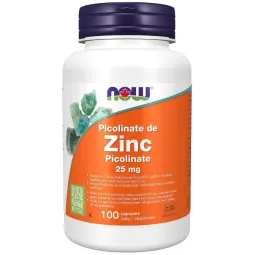
Zinc Picolinate 25 mg, 100 Veg Capsules
Product Code : NOW91550
Get NOW Foods's exclusive deal BEFORE it's gone! Helps in connective tissue formation Helps maintain healthy skin and immune function Helps the body to metabolize carbohydrates, proteins and fats
- -15%
- -15%
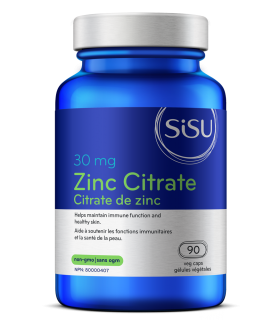
Zinc Citrate 30 mg, 90 Vegetable Caps
Product Code : SU1091
High-Potency Zinc; Each dose contains 30 mg of zinc, an essential mineral that is particularly important for prostate health and male fertility, fetal growth, the production of insulin, eye health, and immune health. Essential Male Health Supplement; Zinc plays an important role in the...
-14% IN CART
- Hidden Deal In Cart
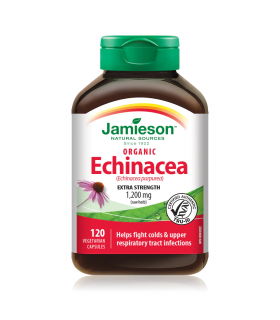
Organic Echinacea (Echinacea purpurea) 1,200 mg 120 Capsules
Product Code : JMS02564
Jamieson Echinacea 1,200 mg is a high potency, organic formula of pure Echinacea purpurea. Echinacea has been used traditionally in herbal medicine to fight off upper respiratory tract infections, relieve cold symptoms, and shorten the duration of colds and flu.
- -15%
- -15%
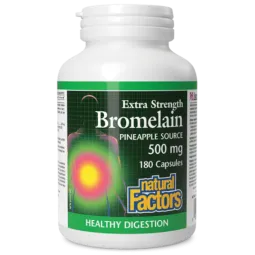
Extra Strength Bromelain 500 mg, 180 Capsules
Product Code : NFT01736
Digestive enzyme Supports digestion
- -20%
- -20%
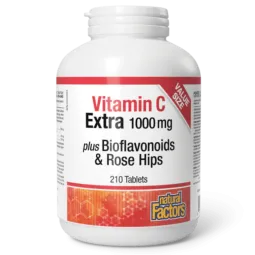
Vitamin C 1000 mg Plus Bioflavonoids & Rosehips, 210 Tablets
Product Code : NFT08134
Provides an antioxidant to help protect against free radicals Helps in the development and maintenance of bones, cartilage, teeth, and gums Helps with immune function Helps in collagen formation Helps in wound healing and connective tissue formation Extra-strength
- -20%
- -20%
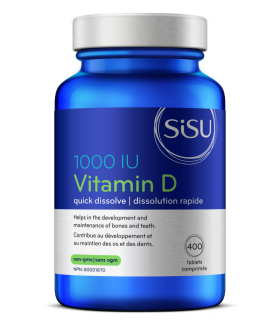
Vitamin D 1000 IU, 400 Tablets
Product Code : SU2561
High Potency Vitamin D; Lanolin-derived D3 provides the equivalent of the maximum allowable 1000 IU vitamin D for people who are not regularly exposed to strong, direct sunlight. Sunlight Deficiency Supplement; Compensates for vitamin D deficiencies in people who live in Northern climates,...
-17% IN CART
- Hidden Deal In Cart
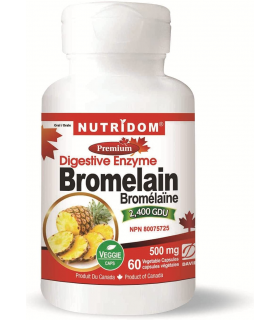
Bromelain 60 Vegi Capsules
Product Code : NTD10651
Nutridom Bromelain's enhanced formula support healthy digestion, protect gut from inflammation, and support heart& joint health.
- Out-of-Stock
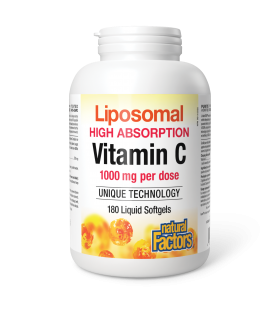
Liposomal Vitamin C 1000 mg 180 Liquid Softgels
Product Code : NFT01320
Help support immune function Helps in wound healing Helps in collagen formation to maintain healthy bones, cartilage, teeth, and gums Helps prevent vitamin C deficiency An antioxidant for good health
-20% IN CART
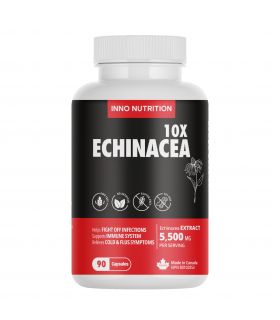
Echinacea 10X 90 Capsules
Product Code : INN61227
• (Traditionally) used in Herbal Medicine to help fight off infections, especially of the upper respiratory tract. • Traditionally used in Herbal Medicine to help relieve cold symptoms.

- -20%
- -20%