









Top Vitamin Supplements for Male Menopause
Male Andropause, also commonly known as ‘male old age’. Unlike female menopause, male menopause is not a clearly visible physiological change, but rather a phenomenon that occurs during the aging process. It mainly occurs between the late 40s and 50s, and is believed to be due to a gradual decline in the male hormone testosterone. This decline can cause a variety of physical and mental symptoms. Some of them include decreased stamina, decreased sexual function, symptoms of anxiety or depression, trouble sleeping, decreased muscle mass, decreased bone density, and weight gain. Additionally, it is important to consult with a doctor if necessary regarding changes in health status due to menopause and determine appropriate treatment and management methods.
Unveiling the Male Menopause: Understanding the Importance of Vitamin Supplements
Essential Nutrients for Men's Health: The Role of Vitamin Supplements in Managing Male Menopause
Combatting Male Menopause Symptoms: Vitamin Supplements(hers) That Pack a Punch
Tailoring Your Supplement Routine: Finding the Right Vitamin for Male Menopause
Beyond Relief: Long-Term Benefits of Vitamin Supplementation for Men Navigating Menopause
Unveiling the Male Menopause: Understanding the Importance of Vitamin Supplements
Although the concept of andropause is still somewhat controversial within the medical community, a number of studies have shown that certain lifestyle factors, including diet and nutrition, may play a role in mitigating the effects of andropause. Vitamin supplements that support overall health and well-being may be helpful for men experiencing andropause symptoms. In particular, fat-soluble vitamins such as vitamin D support bone health, and vitamin B12 supports energy production, among other roles. Additionally, vitamin C and vitamin E can help protect cells and strengthen the immune system through their antioxidant properties, and zinc is very important for male reproductive health.
Although vitamin supplements can be beneficial, it is important to remember that they should not replace a healthy diet rich in whole foods. It is recommended that you consult a healthcare professional before starting to take any supplement, especially for those with underlying medical conditions or taking medications that may interact with certain supplements. Additionally, lifestyle factors such as regular exercise, stress management, and adequate sleep also play an important role in managing symptoms associated with andropause and promoting overall health and well-being.
Essential Nutrients for Men's Health: The Role of Vitamin Supplements in Managing Male Menopause
Adequate intake of essential nutrients is critical to maintaining men's health, especially during periods such as andropause when hormone levels may fluctuate. Vitamin supplements can play a role in helping men manage symptoms associated with andropause, but they should be viewed as part of a comprehensive approach to overall health and well-being. Here are some essential nutrients and their role in men's health, especially during the aging process.
Vitamin D: Adequate levels of vitamin D are critical to overall health, including bone health, immune function, and mood regulation. It is also linked to testosterone production. Low levels of vitamin D have been linked to symptoms commonly associated with male menopause, including fatigue and mood changes. Particularly in individuals lacking sunlight exposure, supplementing with vitamin D may help alleviate these symptoms.
Vitamin B Complex: Vitamin B plays an important role in energy metabolism and nerve function. B vitamins also support the production of neurotransmitters that regulate mood, which helps manage symptoms such as fatigue and mood swings associated with andropause. Vitamin B12, in particular, is essential for maintaining energy levels and cognitive function.
Vitamin C: Your immune system may be weakened during andropause. Vitamin C is an antioxidant that strengthens the immune system and helps wound healing. Menopause can cause stress and mental health problems. Vitamin C may help reduce levels of the stress hormone cortisol, which may help manage menopause.
Zinc: Zinc is very important for male reproductive health. Supports testosterone production and immune function. Low zinc levels can lead to decreased testosterone levels and symptoms such as fatigue and decreased libido. Supplementing with zinc may help maintain testosterone levels and relieve these symptoms.
Omega-3 fatty acids: Omega-3 fatty acids have anti-inflammatory properties and are important for heart health, brain function, and joint health. Supplementing with omega-3s, such as fish oil or algae-derived supplements, may help reduce inflammation and alleviate symptoms such as joint pain and cognitive decline that can occur during andropause.
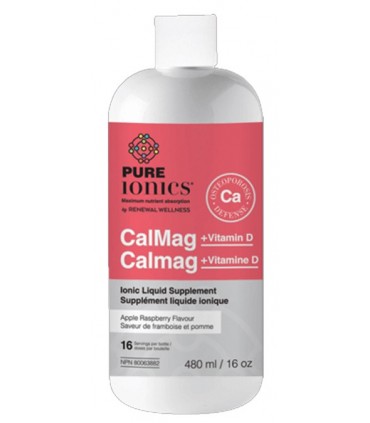
Magnesium: Magnesium is involved in hundreds of biochemical reactions in the body and is important for muscle and nerve function, energy metabolism, and mood regulation. Supplementing with magnesium may help reduce symptoms such as muscle weakness, fatigue, and mood changes that can occur during andropause.
Selenium: Selenium is an antioxidant that helps support immune function and protect against oxidative stress associated with aging. This may help alleviate some of the health problems that can occur during menopause by reducing cell damage and preventing cell damage caused by chloride and oxygen exposure.
Combatting Male Menopause Symptoms: Vitamin Supplements(hers) That Pack a Punch
Vitamin supplements (hers) may provide long-term benefits. The following introduces supplements made from herbs that can help combat andropause symptoms.
Saw Palmetto: This herbal supplement supports prostate health and may help relieve symptoms such as urinary problems and decreased libido associated with male menopause.
Ashwagandha: Ashwagandha, an adaptogenic herb, may help reduce stress and improve mood, energy levels, and sexual function, making it a potential supplement for managing andropause symptoms.
Rhodiola Rosea: Another adaptogenic herb, Rhodiola rosea is beneficial in managing andropause symptoms by helping to reduce fatigue, improve cognitive function, and boost mood.
Maca: May help improve sexual function and energy, and may be useful in managing andropause symptoms.
Ginseng: May help increase energy levels and reduce stress, and may help improve men's health and well-being.
Tailoring Your Supplement Routine: Finding the Right Vitamin for Male Menopause
Tailoring your supplement routine to address andropause symptoms requires a nuanced approach that takes into account your individual health needs and specific symptoms. Here's how to find the right vitamins and supplements for your andropause symptoms:
Decreased energy: A symptom of andropause is a sudden feeling of fatigue or decreased ability to be active. This is where vitamin B complex can help.
Changes in sexual function: Male menopause can cause decreased libido, erectile dysfunction, and sexual dissatisfaction. Zinc, maca, and saw palmetto may help.
Depression: As a symptom of male menopause, you may feel depressed or lethargic. In this case, try taking Rhodiola Rosea or Ashwagandha.
Sleep problems: Symptoms of andropause can cause difficulty sleeping or irregular sleep patterns. You can benefit from taking melatonin.
Decreased bone density: A symptom of andropause may be decreased bone density. Maintaining adequate levels of vitamin D can help maintain bone density and reduce the risk of age-related bone loss.
Beyond Relief: Long-Term Benefits of Vitamin Supplementation for Men Navigating Menopause
For men experiencing the changes associated with andropause, vitamin supplements can provide more than immediate relief from symptoms. By addressing nutritional deficiencies and supporting overall health through supplements, you can improve your quality of life and maintain vitality and well-being as you navigate the challenges of andropause and aging.
Hormonal balance: Certain vitamins and minerals, such as vitamin D and zinc, play an important role in regulating hormones, including testosterone levels. By ensuring optimal levels of these nutrients through supplements, you can support hormonal balance, which can have a lasting impact on your mood, energy levels, and overall well-being.
Bone Health: Vitamin D, along with calcium and vitamin K, is essential for bone health and may help reduce the risk of osteoporosis and fractures later in life.
Cardiovascular Health: Omega-3 fatty acids have been shown to support cardiovascular health by reducing inflammation, lowering blood pressure, and improving cholesterol levels. Long-term supplementation with omega-3s may help reduce the risk of heart disease and other cardiovascular diseases as you age.
Brain function: Omega-3 fatty acids and vitamins B6, B9 (folate), and B12 are important for brain health and cognitive function. By supporting brain health through supplements, you can reduce the risk of age-related cognitive decline and maintain cognitive function well into old age.
Immune Support: Vitamins C and D, along with zinc, play an important role in supporting immune function and may help reduce the risk of infections and chronic diseases. By ensuring optimal levels of these nutrients through supplements, you can support a healthy immune system and reduce the risk of disease as you age.
Antioxidants: Vitamins C and E, along with other antioxidants, help protect cells from damage caused by free radicals and oxidative stress. Supplementing with antioxidants can support overall health and reduce the risk of age-related diseases such as cancer, diabetes, and cardiovascular disease.
Improves energy levels: Vitamin B plays an important role in energy production. Taking vitamin supplements can help maintain and improve energy levels and reduce fatigue that can occur during menopause.
Source:
(1) Male Menopause: Symptoms, Diagnosis, and Treatment.
https://1md.org/health-guide/men/disorders/male-menopause.
(2) A Guide To The 5 Best Supplements For Men In 2024 - Forbes. https://www.forbes.com/health/mens-health/best-supplements-for-men/.
(3) Menopause Supplements: 10 Best Vitamins to Manage Symptoms - Gennev. https://www.gennev.com/education/vitamins-for-menopause-symptoms.
(4) Vitamin Supplements for Male Menopause - Provacyl [review]. http://www.provacylresults.com/vitamin-supplements-for-male-menopause/.
(5) Do menopause supplements work? - Medical News Today. https://www.medicalnewstoday.com/articles/menopause-supplements.
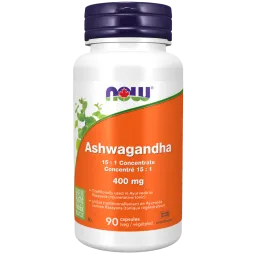
Ashwagandha Extract 400 mg, 90 Veg Capsules
Product Code : NOW94603
Get NOW Foods's exclusive deal BEFORE it's gone!Traditionally used in Ayurveda as Rasayana (rejuvenative tonic) 15:1 Concentrate Vegetarian/Vegan
- -15%
- -15%
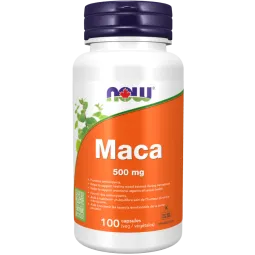
Maca 500 mg, 100 Capsules
Product Code : NOW84721
Provides antioxidants Helps to support emotional aspects of sexual health Vegetarian / Vegan
- -15%
- -15%
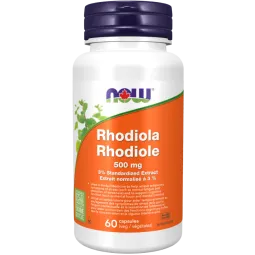
Rhodiola 500 mg, 60 Veg Capsules
Product Code : NOW84754
Used in Herbal Medicine to help relieve temporary symptoms of stress (such as mental fatigue and sensation of weakness) Support cognitive function (such as mental focus and mental stamina) Standardized to contain 3% Rosavins and 1% Salidrosides Vegetarian / Vegan
- -15%
- -15%

Organic MacaRich Super Strength Maca Concentrate 500 mg, 90 Vegetarian Capsules
Product Code : NFT04537
Promotes increased energy and endurance Reduces physical and mental stress Enhances libido and sexual function Helps maintain healthy blood sugar balance Strengthens the immune system Supports hormonal balance
- -15%
- -15%
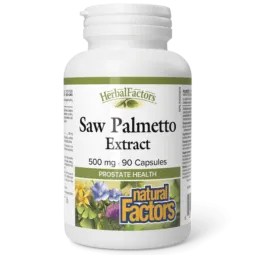
HerbalFactors Saw Palmetto 500 mg, 90 Capsules
Product Code : NFT04253
Used in herbal medicine to help relieve the urological symptoms associated with mild-to-moderate BPH (e.g., weak urine flow, incomplete voiding, and frequent daytime/nighttime urination) Features 500 mg of saw palmetto extract per capsule Contains a 4:1 berry extract with 25% fatty acids
- -15%
- -15%
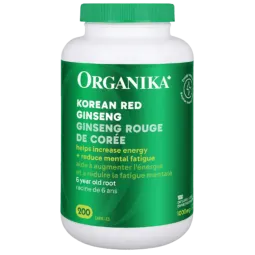
Korean Red Ginseng 200 Capsules
Product Code : ORG01521
Helps boost energy during periods of fatigue and stress Supports mental focus Helps reduce mental fatigue Supports immune system function Gluten-free and non-GMO
-10% IN CART
- Out-of-Stock

Suma Brazilian Ginseng 520 mg 50 Capsules[DISCONTINUED]
Product Code : NRT00481
Suma (Pfaffia paniculata), also known as Brazilian ginseng, is native to the Atlantic rainforest region of Brazil. This wild perennial is used as an adaptogenic and antitumour, and is good for sickle cell–anemia and as a sexual stimulant.
- Hidden Deal In Cart
- Out-of-Stock

Ashwagandha 120 Vcapsules
Product Code : PRC00006
Helps support cardiovascular health Helps reduce the symptoms of stress, such as fatigue, sleeplessness, irritability, and inability to concentrate Helps reduce cortisol and C-reactive protein — the biomarkers of physical stress and inflammation
- Hidden Deal In Cart
- Out-of-Stock
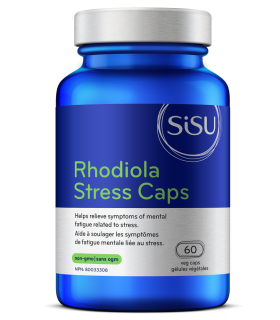
Rhodiola Stress Caps, 60 Vegetable Caps
Product Code : SU1050
High-Dosage Rhodiola; Rhodiola is an adaptogen that helps normalize the production of certain hormones within the nervous system to invigorate a sluggish system or calm an agitated one. Comprehensive Stress Relief; Combats the effects of physical or mental stress including fatigue, weight gain...
- Hidden Deal In Cart
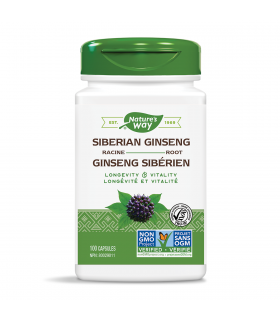
Ginseng, Siberian 100 Vegi Capsules
Product Code : NWY10424
Nature's Way Siberian Ginseng Root is used in herbal medicine to help improve mental and physical performance after periods of mental and/or physical exertion, and as a tonic to help alleviate general debility and/or aid during convalescence. Nature's Way Siberian Ginseng Root is Vegetarian and...
- -20%
- -20%

V Max Power 60 Capsules
Product Code : INN61201
5-in-1 for MALE ENHANCING supplement ERECTION pills 60, Maca Root Saw Palmetto Ginko Biloba L-Arginine Zinc, boosting LIBIDO ABSORB 3X MORE Efficient sex enhancers for males, Stay Active for LONGER TESTOSTERONE supplement for men Quality Vegan Vegetarian Formula, Tested and Trusted PROSTATE...

- -20%
- -20%