












A Routine for Regrowing Hair. The Optimal Combination of Supplements, Shampoo, and Lifestyle Habits

Have you ever felt a sudden pang of fear when looking in the mirror each morning, noticing your hair part widening or seeing a clump of hair piled up in the drain? In your desire to regain a full head of hair, you might have impulsively started taking high doses of hair-loss supplements or switched to a shampoo with glowing reviews. However, using even the best products without the right approach—such as improper intake or care—can actually worsen hair loss by irritating the scalp or causing nutritional overload. The key to managing hair loss isn't simply using a lot of expensive products; it’s about creating an optimal environment where your scalp can naturally sprout new hair. In this article, we’ll outline everything you need: a safe daily combination of hair-loss supplements, the proper shampooing method to revitalize your scalp, and easy-to-adopt lifestyle habits.
Essential Ingredients for Thicker Hair and Safe Supplement Combinations
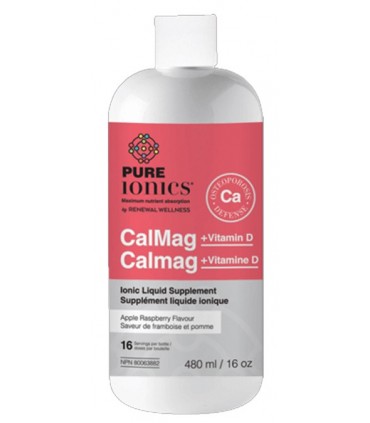
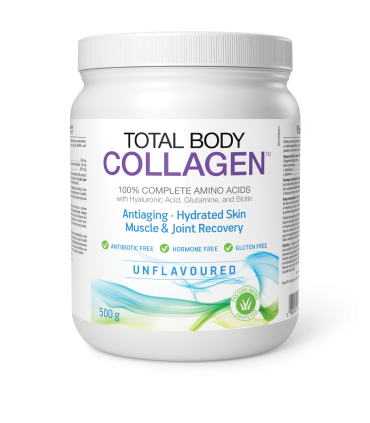
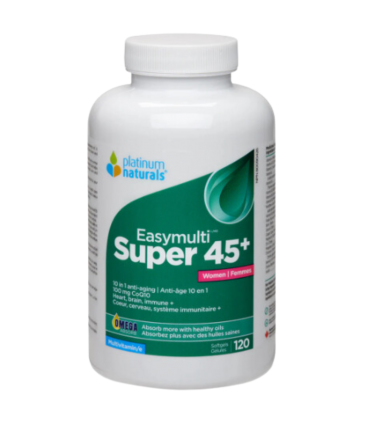
To ensure hair strength and health, it is important to consume a balanced mix of nutrients rather than relying solely on biotin. The secret to thicker hair lies in strengthening three key pillars: hair growth, scalp blood circulation, and protein synthesis. Biotin is a fundamental ingredient that supports keratin synthesis for strong hair, while silica reinforces collagen structures to naturally increase hair thickness. Adding zinc aids in hair follicle recovery and reduces scalp inflammation, stabilizing the environment for growth. Including Omega-3 further improves scalp blood circulation, creating a synergistic blend. Taking these four ingredients together in low doses offers a safe yet effective combination for improving hair thickness. Generally, it is more comfortable to take nutritional supplements after a meal to minimize stomach upset, and consuming fat-soluble vitamins with a meal can aid absorption. However, since iron absorption can be affected by calcium or certain medications, it is advisable to space out the times you take them. When it comes to hair loss supplements, the key is not simply taking a large amount, but rather identifying the specific nutrients your body lacks and consistently replenishing them in appropriate quantities.
Does taking more hair loss supplements guarantee better results?
When hair begins to thin and fall out, the urge to take handfuls of supplements often kicks in. However, unless the hair loss is caused by a nutritional deficiency, simply taking large amounts of supplements will not lead to dramatic hair growth. Products commonly marketed for hair loss are merely aids that support growth; they are not treatments that directly address hair loss caused by genetics or hormonal factors. For instance, excessive intake of biotin (over 5,000µg) or zinc (over 40mg) can trigger skin issues like acne or skew thyroid function test results, so taking high doses indiscriminately should be avoided. If you are concerned about a specific nutrient deficiency, it is recommended to undergo a simple blood test or consult a medical professional before taking high doses. Your scalp and hair will respond most healthily when you accurately understand your body's condition and safely replenish only the nutrients you actually lack.
Creating a Scalp Environment That Supports Hair Roots: Proper Use of Hair Loss Shampoos
Switching your shampoo is often one of the first steps in managing hair loss, but using it correctly is just as important as choosing the right product. It is advisable to look for mildly acidic products while considering the cleansing power of the surfactants and your specific scalp type. You should also check for ingredients that help exfoliate and soothe the scalp—such as salicylic acid or dexpanthenol—based on your scalp's condition. Remember that hair loss shampoos are designed to maintain a clean, healthy scalp and hair; they are not medications that treat the underlying causes of progressive hair loss. Habits such as washing with excessively hot water, vigorously scratching the scalp with your fingernails, or shampooing too frequently can actually irritate the scalp. Therefore, rather than relying solely on advertising claims, it is best to select a product that suits you by comprehensively evaluating ingredients, your scalp condition, and any potential irritation or dryness after use. In particular, if hair loss is ongoing or has suddenly worsened, you should identify the root cause and consider appropriate medical treatment or professional care, rather than relying exclusively on shampoo.
The Optimal Routine for Restoring Hair Density: Lifestyle Habits Matter More Than Supplements
To maintain healthy hair, it is essential to prioritize fundamental lifestyle habits—such as diet, sleep, and stress management—over supplements. Aim for a balanced diet rich in protein and avoid habits like extreme fasting or crash dieting that restrict necessary nutrient intake. Additionally, getting enough sleep and managing stress are crucial for maintaining a healthy environment for your scalp and hair. Keep your scalp clean and tailored to its specific needs, and minimize unnecessary hair damage caused by factors like hot blow-dryers, styling irons, or frequent dyeing. Supplements should be viewed as a way to replenish missing nutrients rather than a substitute for healthy lifestyle habits. Try incorporating these practices into your routine: a balanced breakfast, a protein-rich lunch, scalp and hair care in the evening, and preparing for a good night's sleep before bed. Consistently maintaining small, healthy habits forms a better foundation for hair care than relying on a single supplement.
Conclusion
When managing hair loss to maintain healthy hair, it is important to address nutrition, scalp care, and lifestyle habits holistically rather than relying on a single supplement. While supplements like biotin, zinc, and vitamin D can be beneficial if you are deficient, you should avoid consuming them in excessive amounts. Anti-hair loss shampoos are useful for keeping the scalp clean and comfortable, but they are not treatments that address the underlying causes of progressive hair loss. A balanced diet, adequate protein intake, regular sleep, and stress management form the foundation of hair health. If hair loss suddenly worsens or persists, it is advisable to check your nutritional status and consult a medical professional to begin a management plan tailored to the specific cause. Ultimately, the best routine for your hair is not about consuming large quantities of supplements, but rather understanding exactly what your body needs and maintaining consistent care.
Frequently Asked Questions (FAQ)
Q. Can hair grow back just by using hair loss shampoo?
A. While hair loss shampoo helps keep the scalp and hair clean, it does not treat the underlying causes of progressive hair loss. If hair loss persists, you should identify the cause and consider appropriate medical treatment.
Q. Can I take hair loss supplements alongside prescription medication?
A. Yes, it is safe to take them together. Prescription medications treat hair loss by regulating the hormones that cause it, whereas supplements act as aids to support hair growth; since they serve different roles, they can have a complementary effect.
Q. How long does it take to see results after starting hair loss supplements?
A. Considering the hair growth cycle, you need to take them consistently for at least 3 to 6 months to notice changes, such as thicker hair or reduced hair shedding.
Sources
1. Nutritional Considerations in Hair Loss/ Authors: Emily L. Guo, Rajani Katta
2. Biotin for Hair Loss: An Overuse and Lack of Efficacy?/ Authors: Deepa P. Patel, Shane M. Swink, Leslie Castelo-Soccio
3. The Role of Vitamins and Minerals in Hair Loss: A Review / Authors: Hind M. Almohanna, Azhar A. Ahmed, John P. Tsatalis, Antonella Tosti
4. Hair Care Practices and Hair Shaft Damage/ Authors: Ralph M. Trüeb

Leave a comment