













Are You Taking Your Supplements Correctly?

Vitamins should be taken with the correct knowledge of when to take them, how to take them, and how to store them. The absorption rate of water-soluble vitamins (e.g., vitamin C, B group, etc.) and fat-soluble vitamins (A, D, E, K) varies depending on when to take them. Some vitamins can cause side effects when taken with other vitamins. Caffeine can interfere with the absorption of many vitamins and minerals. There are also nutritional supplements that are not good to take at night. Let’s take a closer look at the things we need to know about these various vitamins.
Should You Take Vitamins in the Morning or at Night?
Can You Take Multiple Supplements at the Same Time?
How Caffeine Affects Vitamin Absorption
Which Supplements Should You Avoid Before Bed?
How to Store Vitamins for Maximum Potency
Should You Take Vitamins in the Morning or at Night?
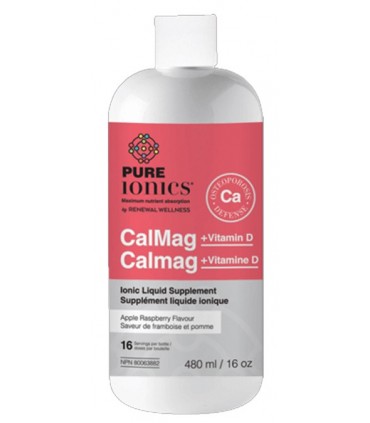
The time of day to take vitamins may vary depending on the type and individual lifestyle. Generally, it is recommended to take them in the morning or evening, depending on the type. Water-soluble vitamins (vitamin C, B group, etc.) and multivitamins are recommended to be taken in the morning because they help generate energy. In particular, taking them with or after a meal rather than on an empty stomach can help with absorption. Fat-soluble vitamins (vitamins A, D, E, K) are better absorbed when taken with fat, so it is recommended to take them after dinner. Magnesium helps relax muscles and stabilize nerves, so taking it in the evening is good for a good night's sleep. Calcium is recommended to be taken in the evening to prevent calcium from being lost from the bones during sleep, which is good for bone health.
Can You Take Multiple Supplements at the Same Time?
Be careful about taking multiple supplements at the same time. This is because the interactions between the supplements can reduce their effectiveness or cause side effects.
Calcium and iron: These two nutrients interfere with each other’s absorption, so it is best to take them separately. It is best to take them at least 2 hours apart.
Fat-soluble vitamins (A, D, E, K) and omega-3: Fat-soluble vitamins and omega-3 can increase absorption when taken together, but side effects can occur if taken in excess.
Vitamin C and copper: Vitamin C can interfere with the absorption of copper. It is best to take them apart.
Vitamin E and vitamin K: Taking these two vitamins together can affect blood clotting.
Iron and green/black tea: Tannins in green or black tea can interfere with the absorption of iron.
How Caffeine Affects Vitamin Absorption
Caffeine can interfere with the absorption of many vitamins and minerals. Therefore, it is important to time your supplements after consuming beverages containing caffeine (e.g. coffee, tea, energy drinks). Taking supplements with water can help increase absorption.
Vitamin D and Calcium:
Caffeine can block the receptors that absorb vitamin D in the small intestine, reducing its absorption. Caffeine also interferes with calcium absorption and promotes diuresis, increasing calcium loss from the body. Approximately 4 to 6 mg of calcium can be lost per cup of coffee.
Vitamin B and Vitamin C:
Caffeine’s diuretic effect also affects the absorption of water-soluble vitamins, such as vitamin B and vitamin C. These vitamins can be excreted in the urine before they are absorbed by the body.
Iron:
Because caffeine binds well with iron, it can bind to caffeine and be excreted in the urine before the iron is absorbed in the stomach. It is said that caffeine can reduce the absorption of iron by up to 80%. If you are taking an iron supplement, it is recommended that you take it at least two hours apart from any caffeinated beverages.
Which Supplements Should You Avoid Before Bed?
Here are some supplements that you should avoid taking before bed. To maintain good sleep quality, it is best to take these supplements in the morning or during the day.
Vitamin B:
Because vitamin B plays a role in producing energy and stimulating the nervous system, taking them in the evening or before bed can interfere with sleep due to the stimulating effect. It is best to take vitamin B in the morning or during the day.
Supplements containing caffeine:
Some diet supplements or energy boosters may contain caffeine. This can stimulate the nerves and interfere with sleep.
Metabolic boosters:
Supplements that promote metabolism or increase energy can keep you awake if taken at night, which can negatively affect sleep.
High doses of vitamin C:
Vitamin C is generally safe, but taking it in high doses can be hard on the stomach and cause stomach discomfort if taken in the evening. It is best to take vitamin C in the morning or during the day after a meal.
Vitamin D:
Vitamin D helps with calcium absorption and plays an important role in bone health, but it can interfere with the secretion of the sleep hormone melatonin. Therefore, taking it before bed may reduce the quality of your sleep.
Coenzyme Q10 (CoQ10):
CoQ10 is a nutrient involved in energy production and can have a stimulating effect in some people. Therefore, taking it before bed may make it difficult to fall asleep.
How to Store Vitamins for Maximum Potency
Proper storage of supplements will help maintain their quality and prolong their effectiveness. Here are some key storage tips:
Cool, dry place: Most supplements are susceptible to hot and humid environments. Moisture and high temperatures can cause the supplement to degrade or deteriorate. Therefore, avoid areas near bathrooms or sinks, and a cool, dry place is best.
Airtight containers: Supplement containers are designed to keep moisture and air out. Exposure to air can cause oxidation, which can reduce the effectiveness of the supplement. Store in the original container, ideally in a dark cabinet or drawer.
Storage temperature: Be sure to check the product label for instructions, as some products may require refrigeration. However, most supplements are recommended to be stored at room temperature.
Check the expiration date: If unopened and properly stored, they can be used for a certain period of time after the expiration date, but after opening, it is safe to consume within the expiration date.
source:
1. When Is the Best Time to Take Vitamins?
https://www.healthline.com/nutrition/best-time-to-take-vitamins
2. Supplement Smarts: Best Ways to Take Different Vitamins
https://www.webmd.com/vitamins-and-supplements/ss/slideshow-best-ways-to-take-different-vitamins
3. Does caffeine affect the absorption of vitamins and minerals?
https://www.hollandandbarrett.com/the-health-hub/sports-nutrition/sports-supplements/caffeine/does-caffeine-affect-the-absorption-of-vitamins-and-minerals/
4. 6 Supplements You Shouldn’t Take At Night
https://whatsgood.vitaminshoppe.com/supplements-not-to-take-at-night/
5. How to Properly Store Your Supplements
https://naturalfactors.com/blogs/natural-health/how-to-properly-store-supplements?srsltid=AfmBOoqZyoKWNJnNnfFF8nd4w8IWNNmQ9o5A599IZkGwuGjTk2uQ_0h1

Leave a comment