

















Back to School Guide: Ensuring Your Child's Health and Happiness
The start of a new semester is a truly exciting time, but it also marks the transition from winter to spring. As the seasons change, children also begin living together with new friends in the new semester, so it is a time to prepare for a strong immune system both mentally and physically. In fact, every year in March, as children begin their studies in earnest, the rate of hospital admissions due to academic stress is said to be somewhat higher than at other times. As it is a seasonal change, there are cases where people visit the hospital to strengthen their weakened physical strength. Taking care of your child's health and happiness is an important responsibility as a parent.
How to Boost Your Child's Immune System
Crafting a Healthy Diet for Your School-Goer
Tips for Managing Your Child's School-Related Stress
The Importance of Good Sleep for Academic Performance
Recommended Nutrition and Supplements for Your Child's Health
How to Boost Your Child's Immune System
Maintaining a strong immune system is essential to your child's overall health. Here are some tips to help strengthen your immune system:
Nutritious diet: Provide a balanced diet rich in fruits, vegetables, whole grains, lean proteins, and healthy fats. Nutrients such as vitamins A, C, D, and zinc are particularly important for immune function. Limit sugary snacks and processed foods, which can weaken the immune system and may require supplements in certain cases (e.g. picky eaters).
Adequate sleep: Make sure your child gets enough sleep for his or her age. Quality sleep is essential for immune function and overall health. It's important to set a regular bedtime to encourage good sleep habits.
Good Hygiene Practices: Teach your child the importance of good hygiene, including washing hands often with soap and water, especially before eating and after using the bathroom. Covering your mouth and nose when coughing or sneezing can help prevent the spread of germs.
Regular physical activity: Encourage your child to engage in regular physical activity. Exercise promotes blood circulation, which helps immune cells move more efficiently throughout the body. Outdoor activities also expose you to sunlight, a natural source of vitamin D.
Crafting a Healthy Diet for Your School-Goer
Creating a healthy diet for school-going students is essential to support growth, energy levels and overall wellbeing. Remember that creating a healthy diet involves creativity, flexibility, and understanding your child's preferences. Involving your child in this process and providing him with a variety of healthy foods will help support his immune system and overall health.
The most basic rule is to provide a variety of foods from all food groups, including fruits, vegetables, whole grains, lean proteins, and healthy fats. This ensures that your child receives a variety of nutrients essential for good health. Aim for a balance of protein, carbohydrates, healthy fats, vitamins and minerals.
Breakfast is important to give your child the energy and nutrients they need to start their day. Prepare a balanced breakfast that includes whole grains, protein (eggs, yogurt, nuts, butter, etc.), and fruit or vegetables.
When preparing your child's school lunch, focus on nutrient-dense foods that will keep them energized and focused throughout the day. Include whole grain sandwiches, lean protein salads, and healthy snacks such as fresh fruits, vegetables, nuts, seeds, and yogurt. Provide nutritious snacks for your child to enjoy during the school holidays. Choose nutritious snacks that are low in added sugars, such as fresh fruit, vegetables with hummus or yogurt dip, whole grain crackers with cheese, or homemade trail mix.
Tips for Managing Your Child's School-Related Stress
Pay close attention to whether your child is feeling overwhelmed by stress. These signs may include headaches, stomachaches, procrastination, and reluctance to attend school. Sit down with your child and talk about what is causing their stress. This could be due to a specific class, an upcoming exam, an assignment, or performance pressure. Encourage your child to express his or her feelings and concerns about school. Create a safe and supportive environment where they feel comfortable discussing any challenges they may face. Understanding the root cause will help you effectively resolve the problem.
Teach your child stress management techniques such as deep breathing, mindfulness, visualization, or progressive muscle relaxation. These techniques can help you relax and cope with stressful situations. Regular physical activity is an effective way to reduce stress and improve your mood. Encourage your child to participate in activities they enjoy, whether it's sports, dance, yoga, or simply playing outside. Participating in activities outside of academics can help you achieve a healthy balance. This allows your child to explore their interests, socialize, and reduce stress.
The Importance of Good Sleep for Academic Performance
Sleep plays an important role in cognitive functions, including memory, attention, decision-making, and creative thinking. Quality sleep is essential for physical health and immune function. Chronic sleep deprivation weakens the immune system, making children more susceptible to illnesses that can interfere with attendance and academic performance. In addition, inadequate sleep is associated with an increased risk of obesity, diabetes, and other health problems that can affect academic success. Sleep plays an important role in emotional regulation and mood stability. Sleep deprivation can impair attention, concentration, and attention, leading to irritability, mood swings, and emotional distress, which can negatively impact academic performance and social interactions at school.
Good sleep is an important factor in academic success and overall happiness. Children who consistently get enough sleep tend to have higher academic achievement, better mental health, higher self-esteem, and greater resilience to stress. To promote good sleep and improve academic performance, it is important to prioritize healthy sleep habits and establish a consistent bedtime routine. To create a good sleep environment, encourage your child to get enough sleep every night by limiting screen time on smartphones and TV before bed and encouraging relaxation techniques such as listening to calming music. Parents can play an important role by discussing sleep habits with their children and emphasizing the benefits of good sleep.
Recommended Nutrition and Supplements for Your Child's Health
Ensuring the health of children, nurtured with love and care, stands as one of the paramount concerns for parents. Providing proper nutrition is a pivotal factor in enabling children to grow and thrive. Here, we delve into recommended supplements and vitamins to support your child's health:
-
Vitamin D: Vitamin D plays a crucial role in bone and dental health, essential for the growth and development of children. Particularly, during indoor activities or reduced sunlight exposure in winter, vitamin D deficiency can occur.
-
Omega-3 Fatty Acids: Omega-3 fatty acids not only aid in brain development but also reduce inflammation and bolster the immune system. This is vital in supporting children's learning abilities and immune function. Sources rich in EPA and DHA, such as fish oil or fortified foods, can be consumed.
-
Probiotics: Consider probiotics to support children's digestive function and strengthen their immune system. Probiotics maintain a balance of beneficial bacteria in the digestive tract, promoting digestion and positively impacting children's health.
-
Iron: Iron is essential for transporting oxygen in the bloodstream, and iron deficiency can lead to anemia. Children, especially during growth periods, require adequate iron intake. Ensuring sufficient iron intake through iron-rich foods or supplements is crucial.
-
Multivitamins: Multivitamins containing various vitamins and minerals help fulfill children's diverse nutritional requirements. They are particularly beneficial for children who may not consume all necessary nutrients through their diet.
These supplements and vitamins can support children's health and aid in their growth and development. However, it's essential to consider individual health status and nutritional needs before deciding on any supplements. Consulting with a pediatrician or a healthcare professional is advisable. Furthermore, parents should support children in consuming a variety of foods and maintaining a balanced diet.
Source:
1.How To Build Up Your Child’s Immune System - Cleveland Clinic Health https://health.clevelandclinic.org/how-to-boost-your-kids-immunity.
2.School-Aged Child Nutrition - Stanford Medicine Children's Health. https://www.stanfordchildrens.org/en/topic/default?id=school-aged-child-nutrition-90-P02280.
3.How to Manage Stress During the School Year - Healthline. https://www.healthline.com/health/stress/stress-management-school.
4.The impact of sleep on academic performance - Study International. https://www.studyinternational.com/news/the-impact-of-sleep-on-academic-performance/
5.Children's Health Tips: Nutrition, Sun, Sleep, and More. https://www.healthline.com/health/childrens-health.

U-Cubes Calcium & D3, 120 Gummies[discontinued]
Product Code : SU1251
Chewy calcium and D3 treats kids will love Pectin-based gummies, no animal gelatin No artificial flavours, sweeteners, or colours
- Hidden Deal In Cart
- Out-of-Stock
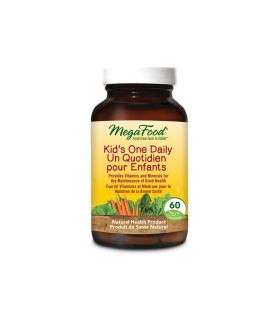
Kid's One Daily 60 Tablets
Product Code : MGF90123
Mom formulated, kid approved! MegaFood® Kids One Daily is a comprehensive multi designed for children (6 - 8 years) and adolescents (9 - 18 years), and is free from added sweeteners, flavorings and food colorings. Each easy-to-swallow, once-daily mini tablet provides 24 FoodState Nutrients™ to...
-5% IN CART

FloraBEAR 120 Tablets
Product Code : REN15711
A daily multi-strain children’s chewable probiotic blend that provides 1 billion live bacterial cultures per tablet.
- -15%
- -15%

Kids Vision Chewables Tablets 90 Tablets
Product Code : ORG03122
Help support your child through every milestone with Organika's Kids Vision Chewable tablets. Formulated with key ingredients, Vitamin A and Beta-carotene, Kids Vision Chewable tablets helps to promote healthy eye development and function, in a delicious strawberry flavour. Recommended age:...
- Out-of-Stock
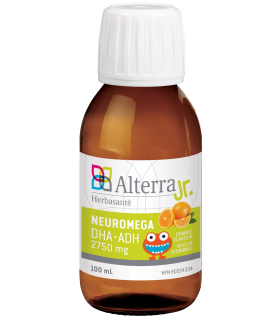
NeurOmega Kids 100 ml
Product Code : ALT83850
Indications: Contributes to brain development Contributes to eye development Contributes to nerve development Helps support cognitive health and brain function
-5% IN CART

Kid's Probiotic 60 Capsules
Product Code : FLR01940
Give your growing child a probiotic boost and help them maintain good gut health, a core foundation of overall good health, with Flora's Super Children's Probiotic. Lifestyle and environmental factors can compromise the digestive system, but adding probiotics into the dietary mix can help boost...
-10% IN CART
- Out-of-Stock
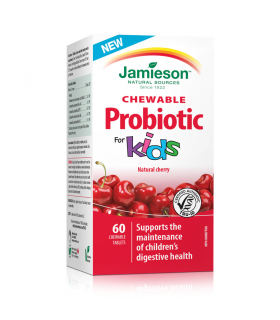
Kids Chewable Probiotic Natural Cherry 60 Chewable Tablets
Product Code : JMS09123
Jamieson Probiotic Chewable for Kids is specially formulated to maintain the healthy digestive system of children. Jamieson's advanced tube technology provides protection from moisture to guarantee potency and freshness so you know you will get 5 billion active cells in each delicious wild cherry...
- -15%
- -15%
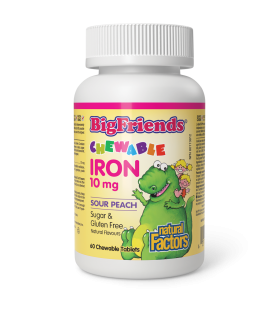
Chewable Iron 10 mg, Big Friends 60 Chewable Tablets
Product Code : NFT01639
Helps prevent iron-deficiency anemia and associated tiredness and fatigue Provides 10 mg of iron to help prevent iron deficiency in children Helps form red blood cells and helps in their proper function Contributes to children’s normal growth and development Gentle on the digestive tract...
-20% IN CART