

















Be Mindful of Tick Infections When Enjoying Outdoor Adventures
Ticks are most active during the warmer months (April to September), so take precautions when enjoying outdoor activities. Outdoor activities can increase the frequency of contact with ticks, so follow preventive measures such as wearing long sleeves and long pants when doing farm work or outdoor activities. Children and the elderly, in particular, should be more careful of tick infections as they tend to have sensitive skin and weaker immune systems. If you experience symptoms such as a rash, fever, fatigue, headache, muscle pain, or joint swelling after a tick bite, consult a medical provider immediately.
Outdoor Activities and Tick Exposure
Tick Infection: Risks and Symptoms
Tick Awareness and Prevention Measures
Preventing Tick Infestations in Pets
Treating Tick Infestations in Pets
Outdoor Activities and Tick Exposure
Ticks have four life stages: egg, larva, pupa, and adult. They thrive in moist environments and are often found in woodlands, tall grass, and leaf litter. While outdoor activities such as hiking, camping, gardening, and picnicking can be very enjoyable, they also pose a risk of tick exposure. Wear long-sleeved, light-colored clothing made from tightly woven fabrics. Tuck your pants into your socks or shoes to prevent ticks from crawling up your legs. Use a repellent containing at least 20% DEET on exposed skin and clothing. However, be careful with children and pets, as these can affect their skin or respiratory system. Other effective repellents include picaridin, IR3535, oil of lemon eucalyptus (OLE), paramenthanediol (PMD), or 2-undecanone.
Tick Infection: Risks and Symptoms
Tick-borne infections are infections caused by tick bites. Ticks can transmit a variety of diseases, including Lyme disease, Scrub Typhus, and Severe Fever Thrombocytopenia Syndrome (SFTS). These diseases can appear within hours or days after a tick bite.
Lyme disease:
Lyme disease is a tick-borne infection caused by Borrelia species in the United States, primarily Borrelia borboperii and occasionally Borrelia mayoni. A large red spot usually appears at the site of a tick bite, and this spot gradually grows larger. In addition, several red circles often appear around this spot. Up to 25% of infected people do not show this distinctive red spot, or at least are unaware of it. Lyme disease, if left untreated, can cause fever, muscle pain, joint swelling, cardiac conduction abnormalities, and in more severe cases, brain and nerve dysfunction.
Tsutsugamushi disease:
Tsutsugamushi disease is a febrile disease also called tick typhus, bush typhus, grassland fever, and scrub typhus. It occurs mainly from September to November, and symptoms such as fever, muscle pain, chills, rash, and black scabs appear after an incubation period of less than 10 days. If left untreated, it can lead to death.
Severe fever with thrombocytopenia syndrome (SFTS):
Severe fever with thrombocytopenia syndrome is transmitted through the bite of a tick infected with the virus that causes it. After an incubation period of 1 to 2 weeks, symptoms such as fever of unknown origin over 40 degrees Celsius, fatigue, loss of appetite, vomiting, diarrhea, and abdominal pain initially appear. It has a high mortality rate and there is currently no vaccine or treatment.
Tick Awareness and Prevention Measures
Tick awareness and prevention are important to reduce your risk of tick-borne diseases. Here are some precautions and preventive measures to help you stay safe while enjoying the outdoors:
Personal Protection:
Wear long sleeves, long pants, and closed shoes. Tuck your pants into your socks to keep ticks out of your skin. Use permethrin-treated clothing or apply permethrin to clothing, boots, and camping gear. Apply insect repellent containing DEET (20-30%) to exposed skin and clothing. Use permethrin-treated clothing for added protection.
Avoid Tick Habitats:
When hiking, walk in the center of trails to minimize contact with ticks. Ticks are commonly found in grassy, brushy, or forested areas, and can also be found on animals. To reduce your exposure to ticks when camping, choose open, sunny areas.
Home and Yard Maintenance:
Keep your lawn short, remove leaves, and remove tall grass and weeds around your home and on the edges of your lawn. Build a 3-foot-wide barrier of wood chips or gravel between your lawn and wooded areas to limit tick movement. Use fencing to keep deer and other tick-carrying animals out of your yard.
Get Informed:
Learn how to identify different tick species and the diseases they can transmit. Use resources from your local health department and the Centers for Disease Control and Prevention (CDC) to get the latest information on tick prevention and tick-borne diseases.
Preventing Tick Infestations in Pets
As summer approaches, it's essential to pay extra attention to preventing tick infestations in your pets. Ticks can transmit various diseases to pets, so early prevention and swift action are crucial. In this post, we will explore ways to prevent and treat tick infestations in pets.
1. Regular Fur Inspection
After your pet returns from outdoor activities, thoroughly inspect their fur for ticks. Pay special attention to areas where ticks commonly attach, such as around the ears, neck, between the legs, and under the tail. Early detection and immediate removal can prevent significant harm.
2. Use of Tick Preventive Medications
Consult your veterinarian to find the most suitable tick preventive medications for your pet. There are various options, including spot-on treatments, collars, and oral medications. Regular use of these medications can effectively prevent tick infestations.
3. Regular Bathing and Grooming
Regularly bathe and groom your pet to minimize the environment where ticks can thrive. Well-groomed fur reduces the likelihood of tick attachment.
4. Limiting Outdoor Activities
Limit activities in areas where ticks are prevalent, such as grassy fields or wooded areas. Especially during summer, avoid walking your pet in such areas.
5. Environmental Management
Regularly mow the lawn and remove fallen leaves around your home to reduce tick habitats. Maintaining a clean and tidy environment makes it harder for ticks to breed.
Treating Tick Infestations in Pets
Despite preventive measures, if your pet gets infested with ticks, prompt action is vital.
1. Tick Removal
If you find a tick on your pet, remove it immediately. Use tweezers to grasp the tick's head and slowly pull it out from the skin. After removal, disinfect the bite area with an antiseptic.
2. Visit the Veterinarian
If your pet shows symptoms such as fever, lethargy, or loss of appetite after a tick bite, take them to the veterinarian immediately. Ticks can transmit various diseases like Lyme disease and babesiosis, so professional diagnosis and treatment are necessary.
3. Treating Tick-Borne Infections
If your pet is infected by ticks, the veterinarian may prescribe antibiotics or other medications. It's crucial to follow the treatment plan thoroughly. Neglecting treatment can have severe consequences for your pet's health.
Regular care and attention are essential for the health and safety of your pet. The most effective way to handle tick infestations is through prevention and early detection. Ensure a healthy and enjoyable summer for you and your pet!
Source:
1. Outdoor Activities and Tick Safety: Tips for Hiking, Camping
https://www.accelpest.com/blog/outdoor-activities-and-tick-safety-tips-for-hiking-camping-and-gardening/.
2. Tick Prevention Tips: Your Guide to Safeguard Health in the U.S.. https://infuzemd.com/tick-prevention-tips/.
3. Lyme disease - Symptoms and causes - Mayo Clinic. https://www.mayoclinic.org/diseases-conditions/lyme-disease/symptoms-causes/syc-20374651.
4. Strategies and Partnerships for Preventing Tick-Borne Disease. https://www.epa.gov/pesp/strategies-and-partnerships-preventing-tick-borne-disease.
5. Lyme and Other Tick-Borne Diseases - Harvard Health. https://www.health.harvard.edu/diseases-and-conditions/lyme-and-other-tick-borne-diseases.
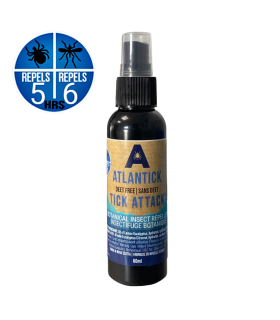
Tick Attack™ Botanical Insect Repellent 60ml - Natural Outdoor Spray
Product Code : ATL63709
Tick Attack™ Botanical Insect Repellent is a highly effective, natural-ingredient repellent that provides long-lasting protection against ticks and other biting insects. This spray boasts a refreshing scent of lemon eucalyptus and feels good on the skin. 5 hours of complete protection time...
- Out-of-Stock
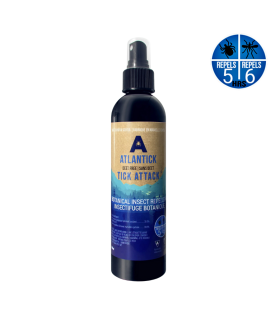
Tick Attack™ Botanical Insect Repellent - 240ml
Product Code : ATL63708
Tick Attack™ Botanical Insect Repellent is a highly effective, natural-ingredient repellent that provides long-lasting protection against ticks and other biting insects. This spray boasts a refreshing scent of lemon eucalyptus and feels good on the skin. 5 hours of complete protection time...
- Out-of-Stock
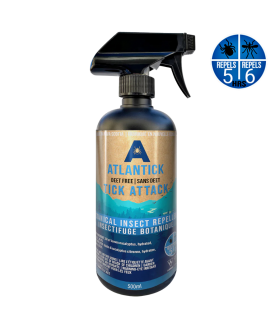
Tick Attack™ Botanical Insect Repellent - 500ml
Product Code : ATL63707
Tick Attack™ Botanical Insect Repellent is a highly effective, natural-ingredient repellent that provides long-lasting protection against ticks and other biting insects. This spray boasts a refreshing scent of lemon eucalyptus and feels good on the skin. 5 hours of complete protection...
- Out-of-Stock
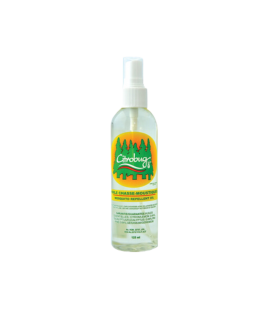
Citrobug Mosquito Repellent (Adult) 125mL
Product Code : CIT51105
Natural mosquito repellent in spray made with essential oils, DEET-FREE, non-toxic for the environment, hypo-allergenic and safe for the whole family! Most effective product available on the Canadian market to date, Citrobug has been shown to be as effective as any other product that contains 25%...
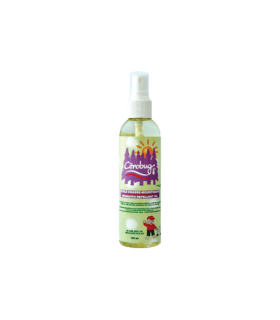
Citrobug Mosquito Repellent Kids 125mL
Product Code : CIT50155
Natural mosquito repellent in spray made with essential oils, DEET-FREE, non-toxic for the environment, hypo-allergenic and safe for the whole family! Most effective product available on the Canadian market to date, Citrobug has been shown to be as effective as any other product that contains 25%...
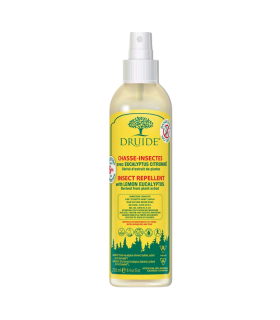
DRUIDE Lemon Eucalyptus Insect Repellent (250 ml)
Product Code : DRU46431
Our Ecotrail Insect Repellent offers natural, effective protection against various biting insects, while being well tolerated by all skin types, even the most sensitive. Its ecological, biodegradable formula respects your skin and the environment, eliminating any risk to the ecosystem.
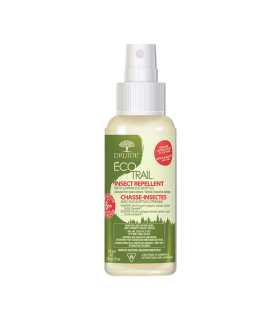
Druide Insect Repellent Spray Lemon Eucalyptus 74mL
Product Code : DRU49406
The most effective plant-based repellent available on the market. Offers efficient protection against insects such as mosquitoes, biting flies and deer ticks without the use of synthetic ingredients.
Leave a comment