










Can Menopause Supplements Be Beneficial Even Without Symptoms?
Menopause supplements are typically designed to relieve symptoms such as hot flashes, mood swings, and sleep disturbances. However, if you do not have these symptoms, the benefits of taking these supplements may be limited. Some supplements, such as calcium and vitamin D, can support important bone health as estrogen levels decline during menopause. Phytoestrogens found in soy isoflavones may also provide general health benefits. Menopause supplements can potentially be beneficial even if you do not have noticeable symptoms. In addition, ensuring a nutrient-rich, balanced diet can help you stay healthy and prevent deficiencies.
Do Only Women with Menopausal Symptoms Need Supplements?
Key Ingredients in Menopause Supplements
Are There Nutrients Needed Even Without Hormonal Changes?
At What Age Should You Begin Menopause Supplements?
The Long-Term Benefits of Taking Menopause Supplements Consistently
Do Only Women with Menopausal Symptoms Need Supplements?
Every woman’s menopause experience is different. Menopause is primarily caused by changes in estrogen and progesterone levels. These hormone levels fluctuate differently from person to person, which can lead to a variety of symptoms. Supplements are often used to help manage menopause symptoms, but they can also help with overall health during menopause, even if you don’t have symptoms. Women who experience menopausal symptoms, such as hot flashes, difficulty sleeping, weight gain, night sweats, memory problems, and mood swings, often find relief from supplements.
Estrogen decline can lead to osteoporosis, so calcium, vitamin D, and magnesium supplements can help maintain bone density, even in women who don’t have symptoms. Changes in cholesterol and heart health often occur after menopause, and supplements like omega-3s or CoQ10 can support heart health. Supplements like B vitamins and omega-3 fatty acids can support brain health, regardless of whether you have menopause symptoms. Even if you don’t have major symptoms of menopause, some women may take collagen, biotin, and antioxidants to support skin elasticity and hair growth. In conclusion, while supplements are often sought for symptom relief, they can also be useful for overall health support, preventive care, and long-term wellness for women without severe menopause symptoms.
Key Ingredients in Menopause Supplements
Menopause supplements often contain a variety of ingredients designed to address specific symptoms and health concerns associated with menopause, such as hormone balance, bone health, and mood.
Vitamin D and Calcium:
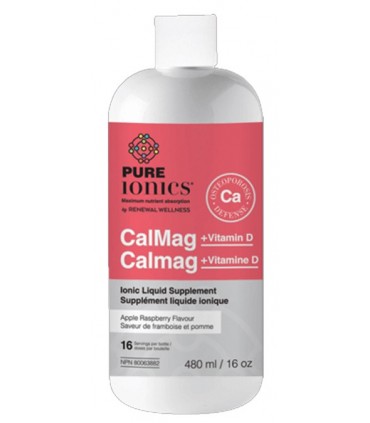
Both are essential for bone health and help prevent osteoporosis, which is more common after menopause as estrogen levels decline. Vitamin D helps with calcium absorption, and the two nutrients work together to maintain bone density.
Magnesium:
Magnesium supports sleep, mood stability, and bone health. It regulates nerve and muscle function, supports healthy bones, and plays an important role in the quality of sleep.
Omega-3 Fatty Acids:
These essential fats, commonly found in fish oil, can help promote heart health, reduce inflammation, and ease mood swings. Omega-3s help maintain heart and brain function, which can be especially important during and after menopause.
Collagen:
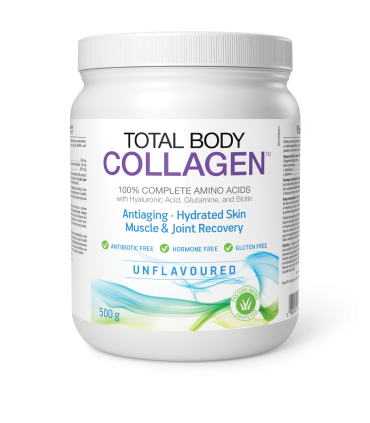
Supports skin elasticity, joint health, and can help counteract the aging effects of menopause. As natural collagen production declines, supplements can help maintain skin and joint structure.
Black Cohosh: Black cohosh is one of the most popular herbal ingredients for managing hot flashes, night sweats, and mood swings. It is known to have an estrogen-like effect in the body, helping to balance hormonal fluctuations.
Are There Nutrients Needed Even Without Hormonal Changes?
Even if your hormonal changes aren’t significant, there are essential nutrients that are important for your overall health. These nutrients support a variety of body functions that become increasingly important as you age, whether or not you experience hormonal fluctuations. Here are some key nutrients:
Calcium: Essential for bone health and preventing osteoporosis. As we age, bone density naturally decreases, which can lead to osteoporosis even in the absence of hormonal changes.
Vitamin D: Helps with calcium absorption and immune function. Aging skin is less efficient at producing vitamin D from sunlight.
Omega-3 fatty acids: Essential for heart health, brain function, and reducing inflammation. Omega-3s help reduce the risk of cardiovascular disease and become more important as you age.
Magnesium: Essential for muscle and nerve function, and quality sleep. It also helps maintain healthy bones and supports heart health.
Vitamin B12: Essential for nerve function and the production of DNA and red blood cells. As we age, our ability to absorb B12 from food decreases, so you may need a supplement.
Coenzyme Q10 (CoQ10): Supports cellular energy production and acts as an antioxidant. As we age, our natural CoQ10 levels decline, and supplements may help support heart health and energy levels.
At What Age Should You Begin Menopause Supplements?
There is no set age for women to begin menopause supplements, but it can vary depending on their individual health, symptoms, and personal goals. Many women begin supplementing in their perimenopause (late 40s to early 50s), but menopause supplements are generally recommended for women under 60 or within 10 years of menopause. This is because starting supplements earlier can help manage symptoms more effectively and maintain overall health during this transition. Some women experience early menopause (before age 40) due to medical treatments such as surgery or chemotherapy. In these cases, supplements may be needed at a younger age to address bone loss, heart health, and hormone support. Women with a family history of osteoporosis or heart disease may benefit from starting bone and cardiovascular supplements earlier. Some women may begin taking certain supplements, such as calcium, vitamin D, and omega-3s, as a preventive measure in their mid to late 40s. You can even start taking them before you experience menopause symptoms. This can help support long-term health and reduce your risk of conditions such as osteoporosis and heart disease.
The Long-Term Benefits of Taking Menopause Supplements Consistently
Taking menopausal supplements consistently can provide several long-term benefits, especially in maintaining overall health and preventing certain age-related diseases. Regular use of menopausal supplements can provide a variety of health benefits over time.
Cognitive function and brain health:
As estrogen levels decline, cognitive decline and memory problems can become a concern. Vitamin B supports brain health by lowering homocysteine levels, which are linked to cognitive decline. Omega-3s, especially DHA, are essential for brain function and may reduce the risk of dementia and Alzheimer’s disease. Antioxidants (such as vitamins C and E) help protect brain cells from oxidative stress.
Bone health:
Postmenopausal women are at higher risk for osteoporosis due to the decline in estrogen, which affects bone density. Collagen and glucosamine supplements can help maintain joint flexibility and reduce inflammation, while omega-3s can further alleviate joint discomfort and support muscle health.
Heart health:
The risk of heart disease increases after menopause due to hormonal changes that can affect cholesterol levels and blood pressure. Some supplements, such as CoQ10, magnesium, and omega-3 fatty acids, can support cardiovascular health by reducing inflammation and improving cholesterol levels.
Hormonal Balance:
Supplements such as black cohosh and phytoestrogens can help balance hormone levels, which can reduce the severity of menopause symptoms.
Skin and Hair Health:
During menopause, the decline in estrogen can cause thinning hair, dry skin, and wrinkles. Vitamins and minerals such as biotin, vitamin E, and collagen can help counteract some of the aging effects of menopause by improving skin elasticity and hair strength.
Emotional Stability:
For some women, mood swings, anxiety, and depression can persist after menopause. Ashwagandha and magnesium help the body cope with stress, while omega-3s and vitamin B support mental health. Consistent supplementation can help stabilize mood and improve overall emotional well-being in the long term.
Improved Sleep Quality:
Sleep disturbances, including insomnia, are common during and after menopause. Magnesium supports relaxation and sleep quality, while melatonin helps regulate sleep-wake cycles.
Source:
1. The 7 Best Supplements for Menopause, According to a Dietitian. https://www.verywellhealth.com/best-supplements-for-menopause-7505896.
2. Do menopause supplements work? - Medical News Today. https://www.medicalnewstoday.com/articles/menopause-supplements.
3. Key Ingredients Found In Supplements For Menopause.
https://www.menopausecenter.org/products-comparison/.
4. 10 Herbs and Supplements for Menopause - Healthline. https://www.healthline.com/nutrition/menopause-herbs.
5. Hormone therapy: Is it right for you? - Mayo Clinic. https://www.mayoclinic.org/diseases-conditions/menopause/in-depth/hormone-therapy/ART-20046372.

Leave a comment