
















Can multivitamins improve your memory?
Multivitamins are dietary supplements that typically contain a combination of vitamins and minerals. Recent research suggests that taking a daily multivitamin may improve cognitive function in older adults. Studies have shown that taking a daily multivitamin slows cognitive aging in older adults, with this benefit being greater in those with a history of cardiovascular disease. Researchers analyzed the cognitive function of older adults who were assigned to take cocoa extract supplements, multivitamins, or a placebo daily for three years. As a result, the multivitamin group had improved brain function than the other two groups. Although taking a multivitamin or other dietary supplements can help protect your thinking and memory, some lifestyle factors, such as healthy eating, physical activity, and social interaction, can also help protect your cognitive health as you age. This might help.
The Link Between Multivitamins and Cognitive Health
How Multivitamins Support Brain Function
Antioxidants and Their Role in Memory Retention
Multivitamins for Memory: Are There Any Risks?
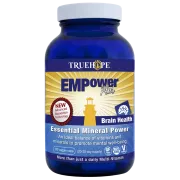
Recommended supplements for Brain Health and Memory Boost
The Link Between Multivitamins and Cognitive Health
The link between multivitamins and cognitive health has been investigated in a variety of studies. Multivitamins are supplements that combine several vitamins and minerals, typically used to compensate for deficiencies in nutrient intake and promote good health. Cognitive health refers to brain function, learning ability, memory, thinking ability, and mental health. Several vitamins and minerals play an important role in brain function. Multivitamins can help prevent nutritional deficiencies and support healthy brain function. there is. If you are deficient in vitamins or minerals, your cognitive function may decline.
Although there is some evidence to support the potential benefits of these nutrients for cognitive health, it is important to note that more research is needed to establish a clear cause-and-effect relationship. Multivitamins do not improve cognitive health in all cases, and the effect may vary depending on individual nutrient intake and physical condition. Additionally, regular exercise, healthy eating, sufficient sleep, stress management, and mental activity are also important to improve or maintain cognitive health.
How Multivitamins Support Brain Function
Multivitamins can support brain function by providing essential nutrients important for brain structure and function. Neurotransmitters are chemical messengers that carry signals to the brain and play an important role in mood, memory, and cognitive function. Multivitamins often contain B-complex vitamins, including vitamins B6, B9 (folic acid), and B12, which are essential for the production of neurotransmitters. Adequate vitamin B intake can help maintain healthy homocysteine levels and is also important for the proper functioning of the nervous system. Deficiency of these vitamins can lead to neurological symptoms such as memory problems, confusion, and nerve damage.
Multivitamins contain antioxidants, such as vitamins C and E, which help protect brain cells from damage caused by oxidative stress and free radicals. Oxidative stress has been linked to cognitive decline and neurodegenerative diseases. Some multivitamins may contain anti-inflammatory nutrients, such as omega-3 fatty acids, which help reduce inflammation in the brain. Some studies suggest that certain nutrients, such as omega-3 fatty acids and antioxidants, may have positive effects on memory and cognitive function. Minerals also play an important role. For example, zinc plays an important role in hair, skin, and brain, and zinc deficiency may be linked to cognitive decline.
Antioxidants and Their Role in Memory Retention
Antioxidants are compounds that help protect cells from damage caused by free radicals, unstable molecules produced in the body in response to environmental and other pressures. Taking antioxidant nutrients can help maintain memory and improve cognitive function by protecting the brain from oxidative damage and inflammation. Neurons, the cells that make up the brain, are particularly vulnerable to oxidative damage. Antioxidants help protect these cells and preserve their structure and function. This protection is essential for maintaining memory and cognitive abilities.
Antioxidants, such as vitamins C, E, beta-carotene, and various polyphenols found in fruits, vegetables, and other foods, help neutralize harmful free radicals. Oxidative stress can damage brain cells and impair cognitive function, including memory. Some antioxidants, especially flavonoids found in foods like strawberries, dark chocolate, and tea, have been shown to improve blood flow to brain cells. Adequate blood flow supplies brain cells with adequate oxygen and nutrients, contributing to memory retention and cognitive function. In addition to a diet rich in antioxidants, other lifestyle factors such as regular physical activity, mental stimulation, and sufficient sleep also play an important role in memory retention and cognitive health.
Multivitamins for Memory: Are There Any Risks?
There are no serious risks associated with taking multivitamins to improve memory. Some studies have suggested that supplementing with high doses of certain isolated nutrients, such as vitamin E or beta-carotene, may not be beneficial and may even be harmful in certain circumstances. Multivitamins may interact with prescription medications, altering their effectiveness or causing unwanted side effects. For example, vitamin K may interfere with blood thinners, while vitamin C may affect the absorption of certain medications. It is important to consult with a healthcare professional to ensure there are no harmful interactions, especially if you are taking medications. Taking high doses of vitamins and minerals can cause digestive problems, diarrhea, or abdominal discomfort.
Recommended supplements for Brain Health and Memory Boost
There are several supplements marketed as ways to improve brain health and memory. Consult a professional before starting any supplement to determine your specific nutritional requirements and potential interactions with other medications or health conditions. We can provide personalized recommendations to support your brain health and memory.
Omega-3 fatty acids
Omega-3 fatty acids are essential fats that play an important role in brain function and development. Omega-3 fatty acids, especially eicosapentaenoic acid (EPA) and docosahexaenoic acid (DHA), found in fatty fish such as salmon and mackerel, have been linked to improved cognitive function and memory.
Vitamin D
Adequate vitamin D levels are important for brain health. Vitamin D deficiency has been linked to cognitive decline. Spending time in the sun and including foods rich in vitamin D in your diet may help.
Vitamin B
B vitamins, including B6, B9 (folate), and B12, are essential for brain function and memory. They play a role in neurotransmitter production and homocysteine regulation. It helps lower levels of homocysteine, an amino acid that can damage nerve cells in the brain.
Ginkgo Biloba
Ginkgo biloba is an herbal supplement that has been studied for its potential to improve memory and cognitive function, particularly in individuals with age-related cognitive decline. It can improve blood flow to brain cells. It may also help reduce dementia symptoms
Phosphatidylserine
Phosphatidylserine is a phospholipid that is a component of cell membranes, including brain cells. Some studies have suggested that it may help support memory, especially in individuals with age-related cognitive decline.
Curcumin
Curcumin, the active compound in turmeric, has anti-inflammatory and antioxidant properties and may benefit brain health. This may help improve memory and reduce symptoms of depression.
References:
1. Can multivitamins improve memory? https://www.health.harvard.edu/blog/can-a-multivitamin-improve-your-memory-202307242957.
2. Multivitamins can slow cognitive decline in older adults.
https://bing.com/search?q=The+Link+Between+Multivitamins+and+Cognitive+Health.
3. Multivitamins may improve brain function in older adults https://www.theguardian.com/society/2022/sep/14/daily-multi-vitamins-may-improve-brain-
4.Do brain supplements really work?
https://health.clevelandclinic.org/do-brain-supplements-work/.
Leave a comment