










Can Vitamins Help Overcome the Sweltering Heat? A Key Summary of Health Management During Heatwaves
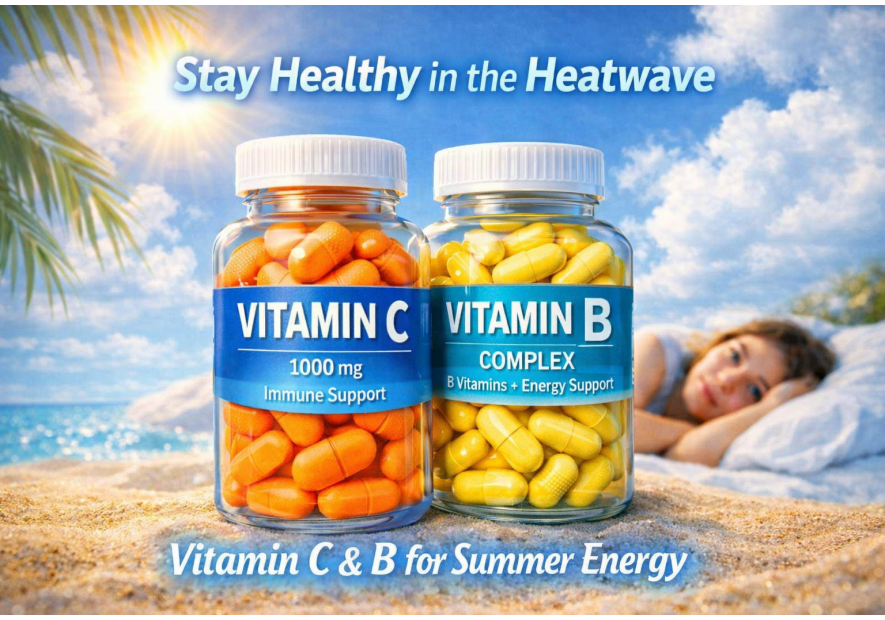
vitamins that can help alleviate exhaustion, fatigue, and loss of appetite.Are you suffering from chronic fatigue that persists no matter how much you sleep, and feel completely drained after just a short walk due to the suffocating heatwave continuing day after day? As your appetite plummets and you find yourself reaching only for water or cold drinks, your body becomes increasingly lethargic, and you are bound to feel as though your immunity has hit rock bottom. This exhaustion and fatigue, which are particularly severe during the summer, are not merely a matter of feeling the heat; they are a warning sign that your body's energy has been depleted in its efforts to regulate body temperature. In this article, we will examine the changes heatwaves cause in our bodies and explore
Changes Heatwaves Cause in the Body: Exhaustion, Fatigue, and Loss of Appetite
The reason we feel particularly heavy and suffer from chronic fatigue during sweltering summer heatwaves is that our bodies work under constant overload day and night to maintain body temperature. As temperatures soar, the body rushes blood to the skin and squeezes out sweat to lower core body temperature; however, this process depletes the energy that would otherwise go to the heart and organs, leading to rapid exhaustion and lethargy. Furthermore, digestive function declines due to the heat, naturally resulting in a decreased appetite and insufficient nutrient intake, which can lead to chronic fatigue throughout the summer. Properly understanding the causes of this exhaustion reveals the importance of replenishing both fluids and nutrients, rather than simply resting. To have a healthy summer, understanding the impact of heatwaves on the body and replenishing depleted nutrients in a timely manner is the key to summer health management.
A Body Exhausted in Heatwaves: Vitamins Easily Depleted
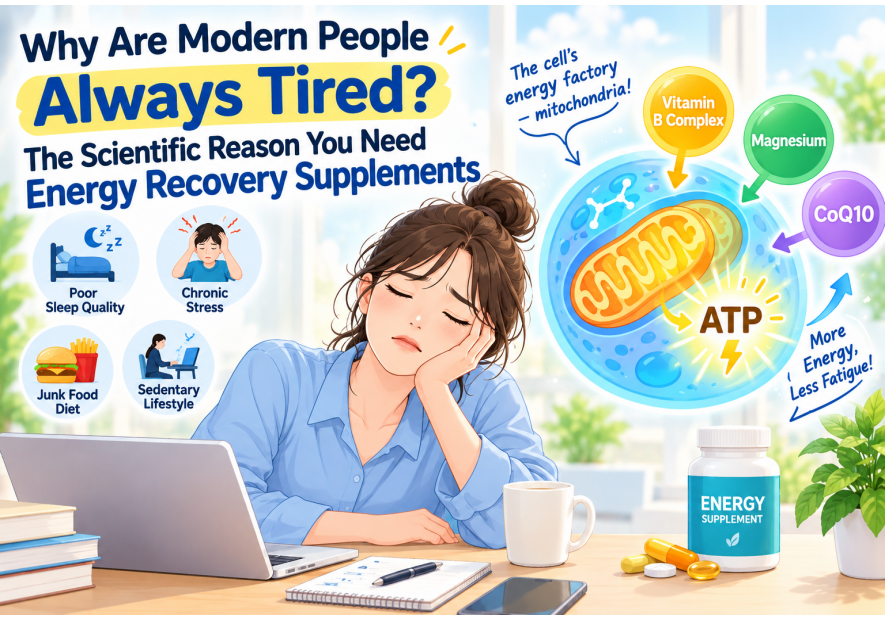
When we sweat in scorching heat, our bodies lose not only water but also water-soluble vitamins and minerals essential for metabolism. In particular, Vitamin B, which converts carbohydrates and proteins into energy, becomes depleted. This leads to an accumulation of fatigue-causing substances in the body and a reduced energy supply to the brain, resulting in severe lethargy and loss of appetite. Furthermore, if free radicals surge due to high-temperature stress, the body's ability to regulate temperature deteriorates and immune cells are damaged, making one susceptible to summer illnesses such as the common cold or air conditioning sickness.
During the summer, Vitamin C consumption increases as the body faces increased burdens related to free radicals, stress hormones, metabolism, and heat regulation in hot environments. Additionally, because Vitamin C is involved in antioxidant activity, immunity, collagen synthesis, and fatigue recovery, it is a nutrient that is easily deficient during the summer. Vitamin C is considered a crucial nutrient for managing immunity during the summer, as it protects cells from oxidative stress through its antioxidant action and helps maintain normal immune function.
Which Vitamins Help You Overcome the Sweltering Heat?
If you want to quickly recover from the heatwave, you should focus on a combination of B vitamins, which are the key pillars of energy metabolism, and Vitamin C, which builds the body's defense barrier. The effects of Vitamin B, which awakens cellular vitality, provide immediate energy to an exhausted body and play an excellent role in dispelling summer lethargy and fatigue. In particular, scientific research shows that Vitamin C, one of the most powerful key nutrients for summer, maintains sweat gland function and enhances body temperature regulation in high-temperature environments, reducing the risk of heatstroke by up to 42%. Vitamin C, which eliminates free radicals to prevent cell damage, and Vitamin B, which restores vitality, make up the best recommended combination of summer vitamins that you must take to prevent heat-related illnesses during a heatwave.
Survival Habits to Take Care of When Vitamins Alone Are Insufficient
While vitamins are a reliable ally for overcoming heatwaves, they can easily become like pouring water into a leaky bucket if basic daily routines are neglected. The most important summer health rule is to replenish fluids frequently, even if you are not thirsty. When you sweat heavily, consuming electrolyte drinks or a small amount of salt is essential to prevent fatal heat-related illnesses. Additionally, reducing outdoor activities and resting in the shade or in cool indoor spaces during the hottest hours of the day—from 12 PM to 5 PM—is a wise way to manage your health during a heatwave.
Only when the trifecta of sufficient hydration, regular rest, and vitamin supplementation is achieved can the speed of recovery from summer fatigue accelerate, allowing you to maintain a healthy daily life even amidst record-breaking heat. If your thirst is not quenched even after drinking water, your body temperature soars above 40°C, you experience dizziness and clouded consciousness, or are accompanied by chills or vomiting, these could be signs of heatstroke—an emergency situation—rather than simple exhaustion. In such cases, the top priority is to immediately call an ambulance or seek medical attention at a hospital.
Conclusion
Exhaustion, fatigue, and loss of appetite experienced during a heatwave are natural physiological reactions that can occur in anyone. Nutrients such as B vitamins and Vitamin C can play a supportive role in managing your condition during the summer by aiding in energy metabolism and maintaining immune function. However, vitamins alone cannot resolve all fatigue and symptoms; they must be accompanied by adequate hydration, a balanced diet, and sufficient rest. Since summer lethargy and exhaustion can easily lead to chronic fatigue if left untreated, we hope you can safely and energetically get through the sweltering summer by following the proper nutritional supplementation and survival habits discussed today.
Frequently Asked Questions (FAQ)
Q: Will taking vitamins alone resolve heatwave fatigue?
A: Vitamins play only a supplementary role; you can expect effective fatigue recovery only when combined with sufficient hydration, regular meals, and rest.
Q: How much Vitamin C should I take per day to prevent heatwaves?
A: Since vitamin consumption is severe due to sweat and stress during summer heatwaves, we recommend a high-dose intake of approximately 1,000mg to a maximum of 2,000mg per day.
Q: Is taking just one multivitamin sufficient to recover from heatwave fatigue?
A: While standard multivitamins contain Vitamin B complex and Vitamin C, the dosage may be somewhat insufficient to effectively recover from heatwave fatigue or prevent heatstroke. If you are particularly sensitive to the heat during the summer or engage in frequent outdoor activities, it is advisable to supplement with a Vitamin B complex or a single high-dose Vitamin C product.
Sources
What Vitamins Are Good For Heat Edema? Your Diet Guide/ www.wellnd.com
Does Hot Weather Affect Nutrient Levels? / www.arborvitamins.com
These 3 supplements can help manage heat intolerance/ www.singlecare.com
Which Vitamins Help Beat Summer’s Heat? / www.vitality.ca

Leave a comment