









Do you really need the shingles vaccine?
What triggers shingles? | How often do you need to get the shingles vaccine? | Who is eligible for the shingle vaccine? | Is there a downside to the shingles vaccine? | How can I avoid getting shingles? | What supplements are effective for shingles?
What triggers shingles?
Shingles is caused by the reactivation of the varicella-zoster virus, which can remain dormant in your nerve tissues for years after you've had chickenpox. The exact cause of reactivation is unknown, but it's believed to be linked to a weakened immune system, stress, or aging. People over the age of 50 are at a higher risk of developing shingles because their immune system is weaker.
How often do you need to get the shingles vaccine?
The shingles vaccine is a two-dose series, and the doses are given two to six months apart. The Centers for Disease Control and Prevention (CDC) recommends that adults 50 years and older get the shingles vaccine, regardless of whether they have had shingles in the past or not. The CDC also recommends that people who have had shingles get the vaccine to prevent a recurrence.
Who is eligible for the shingle vaccine?
The shingles vaccine is recommended for all adults aged 50 years and older. However, there are some people who should not get the vaccine, such as those who have a weakened immune system, are pregnant, or have had a severe allergic reaction to any component of the vaccine.
Is there a downside to the shingles vaccine?
Like all vaccines, the shingles vaccine can cause side effects, but they are usually mild and go away on their own. The most common side effects include redness, soreness, swelling, or itching at the injection site. Some people may also experience headache, fever, or fatigue. Serious side effects are rare but can occur, such as an allergic reaction.
.png)
How can I avoid getting shingles?
You can reduce your risk of getting shingles by getting vaccinated and maintaining a healthy immune system. It's also important to avoid contact with people who have active shingles or chickenpox, as the virus can be spread through direct contact with the rash.
What supplements are effective for shingles?
There is no cure for shingles, but some supplements may help alleviate symptoms and speed up recovery. For example, lysine supplements may help reduce the severity and duration of a shingles outbreak. Vitamin C, vitamin E, and zinc supplements may also help boost the immune system and promote healing. However, it's important to talk to your doctor before taking any supplements, as they may interact with other medications you are taking.
In conclusion, the shingles vaccine is a safe and effective way to prevent shingles or reduce its severity. It's recommended for all adults aged 50 years and older, and people who have had shingles in the past should also get vaccinated to prevent a recurrence. While there is no cure for shingles, maintaining a healthy immune system and avoiding contact with people who have active shingles or chickenpox can help reduce your risk of getting the disease.
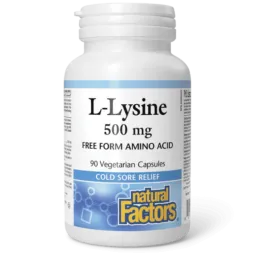
L-Lysine 500 mg, 90 Vegetarian Capsules
Product Code : NFT02823
Helps reduce the recurrence of HSV infections (e.g., cold sores) An essential amino acid for the maintenance of good health Helps in collagen formation
- -15%
- -15%
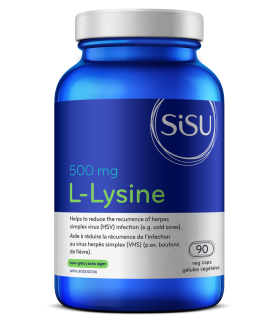
L-Lysine 500 mg, 90 Vegetable Caps
Product Code : SU2568
Reduces the recurrence and severity of cold sores Accelerates healing process
- Hidden Deal In Cart
![Organika L-Lysine 90 Vegi Capsules[discontinued] | Unbeatable Prices, Daily Deals | VITASHOP]( https://vitashop.ca/5966-home_default/l-lysine-90-vegi-capsules-discontinued-.jpg
)
L-Lysine 90 Vegi Capsules[discontinued]
Product Code : ORG01297
This essential amino acid can help to reduce the recurrence of cold sores, while also supporting the absorption and retention of calcium.
- Out-of-Stock
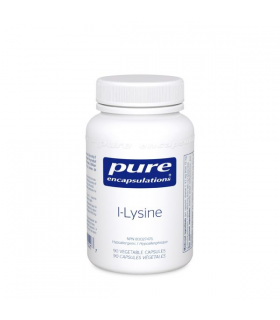
l-Lysine 90 Capsules
Product Code : PUR01141
Provides lysine, an essential amino acid that maintains good health
-25% IN CART
- Hidden Deal In Cart
Leave a comment