










How Much Protein Do You Really Need Each Day?
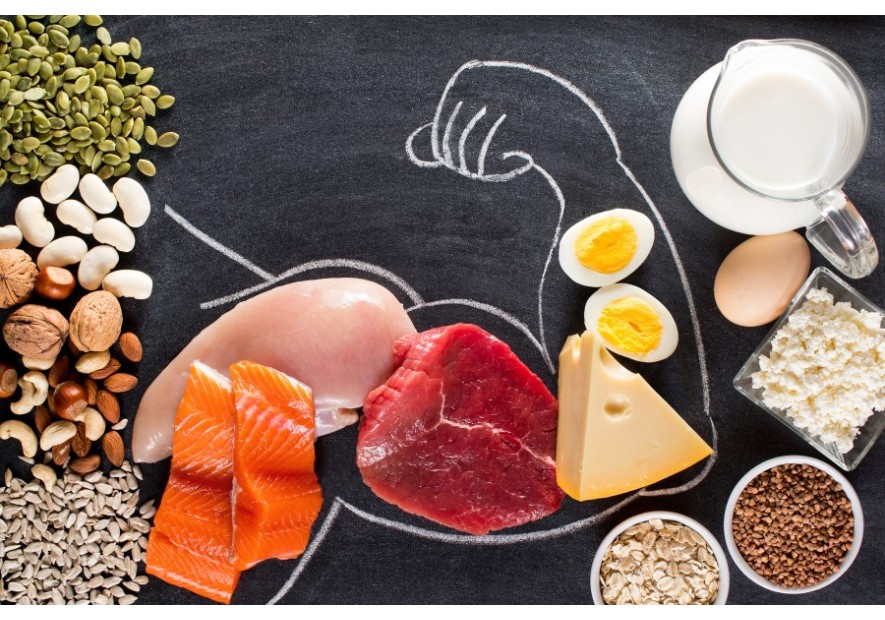
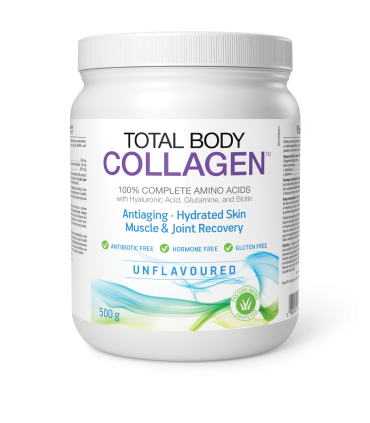
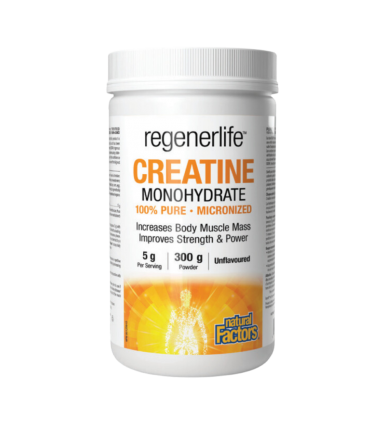
Protein is an essential nutrient that plays a vital role in building and repairing tissues, producing enzymes and hormones, and maintaining overall health. Getting the right amount of protein each day may seem difficult, but it is entirely achievable with the right strategy. Include protein-rich foods in every meal. Use protein powder or shakes to meet your daily needs, especially if your physical activity or health conditions require more protein. Choose protein-rich snacks, such as yogurt, nuts, or protein bars. If you focus too much on protein, you may miss out on other essential nutrients, such as vitamins, minerals, and healthy fats. A balanced diet is essential for overall health.
Understanding Daily Protein Requirements
Factors Influencing Protein Needs
Optimal Protein Sources
How Protein Intake Affects Weight Loss
Risks Associated with Consuming Too Much Protein
How to Choose Protein Supplements and Precautions
Understanding Daily Protein Requirements
Understanding your daily protein requirements is important to maintaining overall health and supporting bodily functions. The most general guideline is to consume 0.8 to 1 gram of protein per kilogram of body weight per day. Men generally need about 56 grams of protein per day, and women generally need about 46 grams of protein per day. For adults over 65 years of age, the recommended amount is 1.0 to 1.2 grams of protein per kilogram of body weight. People who engage in regular, intense physical activity have higher protein needs and the recommended amount is 1.2 to 2.0 grams of protein per kilogram of body weight.
Factors Influencing Protein Needs
Several factors can affect an individual’s protein needs, including age, gender, physical activity level, and health status. Understanding these factors can help you adjust your protein intake to meet your individual health goals and needs. Here are some key factors:
Age:
Children, adolescents, and women who are pregnant or breastfeeding generally need more protein. Older adults may have increased protein needs to maintain muscle mass, support bone health, and reduce the risk of sarcopenia (age-related muscle loss).
Gender:
Men generally need more protein than women due to their larger body size and greater muscle mass.
Health Status:
People with medical conditions such as kidney disease or diabetes, or who are recovering from an injury or surgery, may need more protein for tissue repair and immune function. People who are aiming to lose weight or gain muscle can adjust their protein intake accordingly.
Physical Activity Level:
Active individuals, especially athletes, may need more protein to support muscle recovery and growth. Sedentary individuals may need less protein.
Diet: People who eat high-protein foods, including meat, fish, eggs, and dairy, are more likely to naturally consume more protein. On the other hand, vegetarians and vegans need to be more careful about their protein intake. People who eat small amounts frequently can get a steady supply of protein, but those who eat only one or two meals a day may need to consume large amounts of protein at a time.
Optimal Protein Sources
Choosing the best protein sources is important for meeting your nutritional needs while maintaining a balanced diet.
Animal-based protein sources
Chicken breast, turkey, lean beef, and pork tenderloin are high in protein and low in fat. Salmon, tuna, and other fatty fish provide high-quality protein and heart-healthy omega-3 fatty acids. Eggs are a good source of protein and contain essential vitamins and minerals. Greek yogurt, cottage cheese, and low-fat milk provide protein and calcium.
Plant-based protein sources
Lentils, chickpeas, and black beans are full of protein and fiber. Nuts and seeds, such as almonds, peanuts, chia seeds, pumpkin seeds, and quinoa, provide protein and healthy fats. Soy-based products, such as tofu, are great for vegetarians and vegans. Broccoli is surprisingly high in protein for a vegetable. Brussels sprouts are another protein-rich vegetable. Spinach contains a significant amount of protein along with other nutrients, including vitamin C, iron, and calcium.
How Protein Intake Affects Weight Loss
Protein intake can play an important role in weight loss. Protein is more filling than carbohydrates or fat, making you feel fuller for longer. This can help reduce overall calorie intake by suppressing hunger and reducing the likelihood of overeating. Increasing protein intake can also reduce cravings for unhealthy snacks and the likelihood of late-night snacking. Protein can also help stabilize blood sugar levels, reducing cravings for sugary or high-calorie foods.
Your body uses energy to digest and process nutrients. That means your body uses more energy (calories) to digest and metabolize protein than fat and carbohydrates. About 20-30% of protein calories are burned in the digestion process, compared to 5-10% for carbohydrates and 0-3% for fat. The goal when losing weight is to lose fat while preserving muscle. A diet high in protein can improve body composition. Adequate protein intake can help you maintain lean muscle mass while also reducing fat, especially around the abdomen.
Risks Associated with Consuming Too Much Protein
Protein is essential for many functions in the body and can help you lose weight and maintain muscle, but consuming too much protein can cause certain risks.
Kidney Damage:
High protein intake can put additional strain on the kidneys, especially in individuals with existing kidney disease. The kidneys have to work harder to filter out the byproducts of protein metabolism, which can worsen kidney damage over time. A high-protein diet, especially one high in animal protein, can increase the risk of kidney stones. This is because it causes higher levels of calcium and oxalate to be excreted in the urine.
Digestive Problems:
High-protein diets are often low in fiber, especially if they rely heavily on animal products. This can lead to constipation and other digestive problems. One study found that 44% of participants reported constipation associated with high protein intake.
Conversely, some people may experience diarrhea when they consume a lot of protein, especially from dairy or processed foods.
Heart disease:
A diet high in animal protein sources may also be high in saturated fat, which can increase blood lipid levels and increase the risk of heart disease. Choosing lean protein sources and eating plant-based proteins can help mitigate this risk.
Weight gain:
Eating too much protein can lead to excessive calorie intake, which can interfere with weight loss. It is important to balance protein intake with your overall calorie needs and other macronutrients.
Increased cancer risk:
Some studies have shown that very high protein intake may be associated with an increased risk of certain cancers. High intakes of red meat and processed meats have been linked to an increased risk of certain cancers, such as colon cancer.
How to Choose Protein Supplements and Precautions
Choosing the right protein supplement should take into account your dietary needs, health goals, and potential risks. Supplements are meant to complement your diet and not replace whole food sources of protein. Here’s a guide to help you choose the best protein supplement for you:
Whey Protein:
A fast-absorbing, complete protein with all the essential amino acids to support muscle recovery and growth. Available in a variety of flavors and forms for a delicious meal. Contains lactose, so may cause digestion issues for those with lactose intolerance. Not suitable for vegetarians or vegans.
Casein Protein:
A slow-absorbing, sustained-release amino acid, ideal for use at night or between meals. Contains lactose, so some individuals may experience digestive issues. Not suitable for immediate post-workout protein replenishment.
Vegetable Proteins:
Includes pea protein, soy protein, and rice protein. Suitable for vegetarians and vegans, often hypoallergenic, and easy to digest. Soy protein may support bone health. Some plant-based proteins may not be complete proteins (missing one or more essential amino acids) unless combined with other protein sources. Some people may find the taste less appealing.
Egg White Protein:
Egg whites are complete proteins. They are easily absorbed by the body and are lactose-free. They are suitable for low-fat, low-carb diets. They may be more expensive than other protein supplements, and some people may have egg allergies.
Source:
1. Here’s How Much Protein You Should Be Eating. https://health.clevelandclinic.org/how-much-protein-you-need.
2. Daily Protein Requirements: Determining the Optimal Ounce Intake. https://atlasbars.com/blogs/protein-explained/daily-protein-requirements-determining-the-optimal-ounce-intake.
3. Protein Intake — How Much Protein Should You Eat per Day? - Healthline. https://www.healthline.com/nutrition/how-much-protein-per-day.
4. Are you getting too much protein? - Mayo Clinic Health System. https://www.mayoclinichealthsystem.org/hometown-health/speaking-of-health/are-you-getting-too-much-protein.
5. How much protein is too much? - Medical News Today. https://www.medicalnewstoday.com/articles/322825.

Leave a comment