














If You Are Prediabetic, Vitamin C Is Essential. The Scientific Evidence Emphasized by Doctors
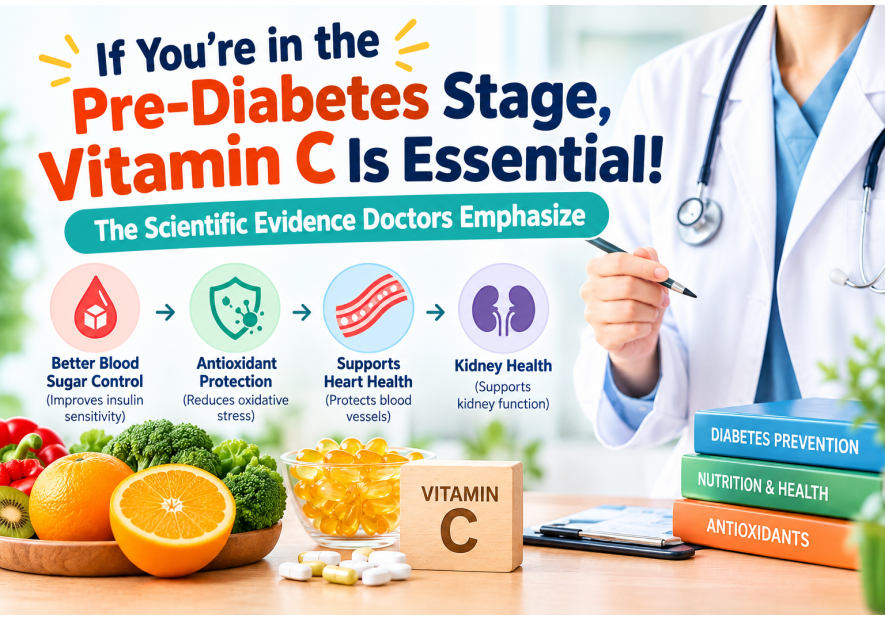
When you hear the words "you are prediabetic" during a health checkup, doesn't it make you realize it is time to take your health seriously? Prediabetes is not merely a state of elevated blood sugar levels; it is a warning signal from your body indicating that insulin resistance has already developed and cellular damage has begun. While many people feel it is too early for medication and focus solely on dietary adjustments, doctors actually emphasize Vitamin C as a crucial nutrient during this stage. This is because Vitamin C is not just a remedy for fatigue; it acts as a vital defense mechanism, protecting pancreatic cells from destruction and preventing vascular inflammation. We will explore why Vitamin C is essential—not merely optional—for those in the prediabetic stage by examining the scientific evidence linking it to blood sugar and insulin resistance, and we will look at the smartest ways to incorporate it into your routine.
How does Vitamin C help lower blood sugar?
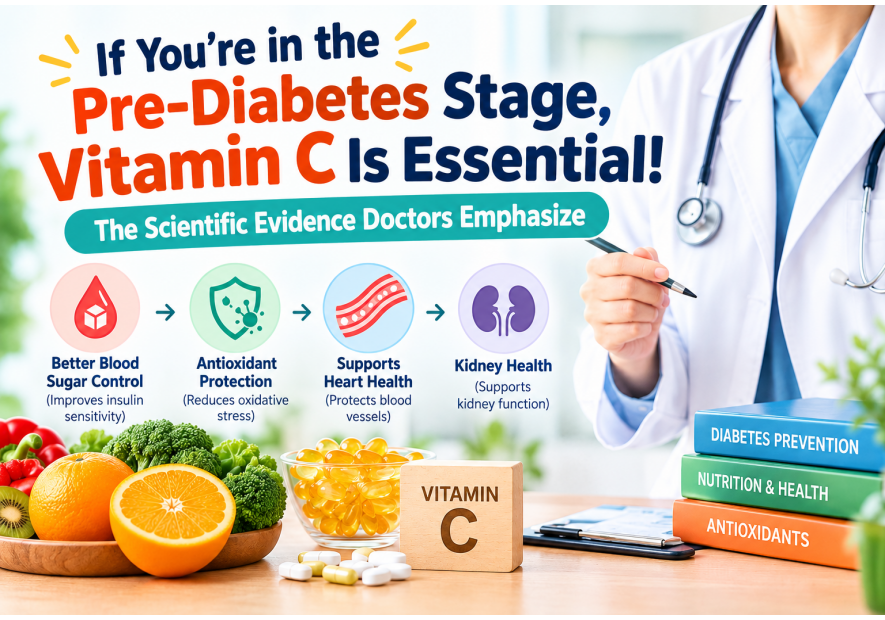
When a person enters the pre-diabetic stage, the body develops "insulin resistance," causing the insulin signals responsible for lowering blood sugar to become sluggish—much like a rusty door that refuses to open easily. Excess blood sugar remaining in the bloodstream generates harmful substances known as "oxidative stress"; these substances attack cells and effectively jam the "insulin door latch" even tighter, creating a vicious cycle. Vitamin C acts as a powerful natural cleanser that polishes this rusty latch. Once in the body, Vitamin C rapidly neutralizes oxidative stress to prevent cellular damage and restores the sensitivity of insulin receptors located on cell membranes. In simple terms, it smoothly opens the cell doors again, allowing insulin to efficiently transport blood sugar into the cells. By preventing post-meal blood sugar spikes and enabling insulin to function properly, Vitamin C intake is not merely an option but a necessity for those in the pre-diabetic stage.
The Anti-inflammatory Effects of Vitamin C in Reducing Inflammation During Prediabetes
The chronic, low-grade inflammation associated with prediabetes acts like a silent, microscopic spark within the body, gradually eroding blood vessel walls unnoticed; if left unmanaged, it can lead to adverse effects on vital organs—such as cardiovascular disease or kidney damage—making early intervention crucial. Vitamin C reduces oxidative stress through its antioxidant properties and has been shown in some studies to directly lower inflammatory responses by inhibiting the production of inflammatory cytokines like TNF-α and IL-6. This plays a pivotal role not only in maintaining vascular elasticity by preventing damage to endothelial cells but also in protecting the delicate microvessels of the kidneys responsible for filtering waste. This explains why many individuals who previously suffered from severe fatigue and high inflammation markers see their vascular health stabilize after consistent Vitamin C intake. However, since Vitamin C does not directly cure inflammation or diabetic complications, it is important to use it as a complementary measure alongside a healthy diet, regular exercise, and weight management.
The Powerful Antioxidant Action of Vitamin C in Reducing Vascular Damage and Complication Risks
When blood sugar levels rise, reactive oxygen species (ROS)—harmful, aggressive substances—are released within the blood vessels; these damage the endothelial cells lining the vessel walls and cause the vessels to harden. The body's natural antioxidant capacity declines with age or due to accumulated stress and poor dietary habits, further accelerating vascular damage, particularly during the pre-diabetic stage. In this context, Vitamin C acts as a potent antioxidant "scavenger," circulating through the bloodstream to rapidly eliminate ROS. It protects vulnerable endothelial cells, thereby maintaining vascular elasticity and healthy blood flow, and significantly lowers the risk of complications in organs rich in microvessels, such as the eyes and kidneys. Combining this with Vitamin E—which protects cell membranes—creates a powerful synergistic antioxidant network; Vitamin C reactivates oxidized Vitamin E, ensuring protection across both lipid-soluble and water-soluble environments. However, it is important to note that supplements alone cannot prevent vascular complications; maintaining blood sugar control, regular exercise, and healthy dietary habits remains the fundamental priority.
Vitamin C Intake Strategy for Prediabetes: Nutrients That Work Well Together
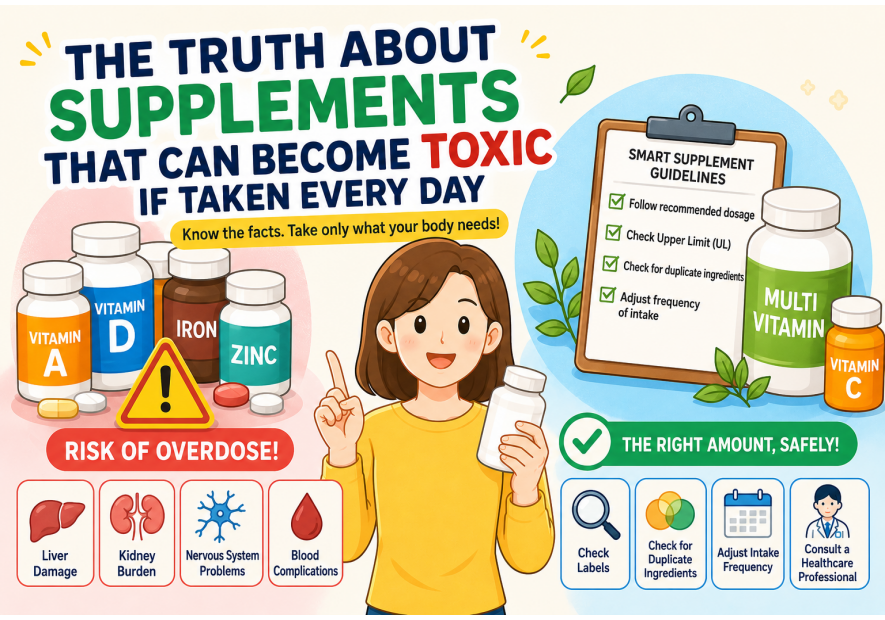
Consuming a large amount of Vitamin C at once does not result in a proportional increase in absorption; in fact, absorption rates can decrease at higher dosages. Therefore, if you are in the prediabetic stage, it is advisable to split your daily intake into appropriate amounts taken with meals rather than consuming the entire daily requirement at once. Taking a total of 500–1,000 mg daily—divided between doses immediately after breakfast and dinner—can minimize gastrointestinal discomfort while maintaining consistent antioxidant levels in the blood. While Vitamin C is beneficial on its own, combining it with synergistic nutrients can maximize its effectiveness. Adequate intake of Omega-3 (which reduces vascular inflammation), Magnesium (which activates glucose metabolism and insulin receptors), and Vitamin D3 (which supports pancreatic insulin secretion) can contribute to balanced nutritional management. This combination eliminates cellular reactive oxygen species while comprehensively boosting insulin sensitivity, making it a highly effective nutritional strategy for overcoming prediabetes.
Conclusion
Since prediabetes is a critical stage that can still be reversed, it is important to manage not only blood sugar levels but also oxidative stress, inflammation, and vascular health. Prediabetes is not merely a time to passively monitor glucose levels; it is a "golden time" for actively preventing cellular damage and vascular inflammation. Vitamin C is gaining attention as a nutrient that reduces reactive oxygen species and oxidative stress through its antioxidant properties, while also supporting insulin function and vascular health. In particular, consuming plenty of fruits and vegetables to ensure adequate Vitamin C intake can be an excellent starting point for establishing healthy dietary habits. Nutrients such as Omega-3, magnesium, and Vitamin D are also linked to blood sugar metabolism, inflammation, and insulin function, making balanced management essential. However, simply consuming large amounts of Vitamin C will not cure prediabetes or prevent complications on its own. Ultimately, the most practical approach to maintaining healthy blood sugar levels involves a combination of regular exercise, weight management, a balanced diet, and appropriate supplementation of necessary nutrients.
Frequently Asked Questions (FAQ)
Q. Does consuming large amounts of Vitamin C lower blood sugar faster?
A. Not necessarily. There is no evidence that high-dose Vitamin C directly lowers blood sugar; in fact, excessive intake can cause gastrointestinal discomfort.
Q. Which is better: water-soluble Vitamin C or liposomal Vitamin C?
A. While standard water-soluble Vitamin C is effective, if you frequently experience excess stomach acid or severe heartburn, liposomal or buffered (neutral pH) Vitamin C—which are less irritating to the stomach and offer higher absorption rates—may be better options for comfortable, long-term use.
Q. Can I get the same benefits from Vitamin C drinks or fruit?
A. Be cautious with commercial Vitamin C drinks, as they often contain high-fructose corn syrup or added sugars that can cause rapid spikes in blood sugar. It is recommended to obtain Vitamin C naturally from fresh vegetables and fruits low in sugar, or to take it in supplement form that does not affect blood sugar levels.
Sources:
1. “Effects of Vitamin C Supplementation on Glycemic Control and Cardiovascular Risk Factors in People With Type 2 Diabetes”/ Authors: Shaun A. Mason, Michelle A. Keske, Glenn D. Wadley
2. “Effects of Vitamin C Supplementation on Glycaemic Control: A Systematic Review and Meta-analysis of Randomised Controlled Trials”/ Authors: A. W. Ashor, A. D. Werner, J. Lara, N. D. Willis, J. C. Mathers, M. Siervo
3. “Influence of Ascorbic Acid Supplementation on Type 2 Diabetes Mellitus in Observational and Randomized Controlled Trials; A Systematic Review with Meta-analysis”/ Authors: Ozra Tabatabaei-Malazy, Shekoufeh Nikfar, Bagher Larijani, Mohammad Abdollahi
4. “Effects of Vitamin C and/or E Supplementations on Glycemic Control and Cardiovascular Risk Factors in Type 2 Diabetes: A Systematic Review and Subgroup Meta-analysis”/ Authors: Jerónimo Aragón-Vela, Jesús R. Huertas, Rafael A. Casuso

Leave a comment