











If You Lack This After Age 60, Your Muscles and Bones Will Collapse (Top 4 Essential Nutrients)
"I eat three proper meals a day, but why do I feel different than before and why does my whole body ache?" As you enter your 60s, even if you eat the same amount, your digestive enzymes and stomach acid decrease, causing your ability to absorb nutrients to drop sharply. The problem is that if your body's essential nutrients start to run out before you even realize it, your muscles and bones weaken first, and your overall health collapses in an instant. If you dismiss this as simply a decline in energy and neglect it, it can easily lead to fatal risks such as falls or fractures. But don't worry. Just by properly taking care of these four nutrients I'm sharing today, you can maintain a strong and vibrant body for another 10 years. Find out exactly what nutrients your body needs right now and check your health management habits for your 60s!
Why Do Muscles and Bones Weaken Simultaneously After Age 60?
After the age of 60, individuals naturally experience changes as they age, such as a decrease in muscle mass and a gradual decline in bone density. In particular, if the ability to produce muscle protein declines and activity levels also decrease, it becomes difficult to maintain muscle mass as one did in the past. These changes can become more pronounced if nutritional intake is insufficient, making daily dietary management crucial. Muscles do not merely serve the role of moving the body; they also provide appropriate stimulation to the bones, and bones, together with muscles, support our body. Therefore, exercising intensely or focusing solely on calcium may not be sufficient. To maintain the health of both muscles and bones, one must consider both exercise and balanced nutrition simultaneously. So, what are the key nutrients that one should pay particular attention to ensuring are not deficient after the age of 60?
Top 4 Nutrients You Must Ensure After Age 60
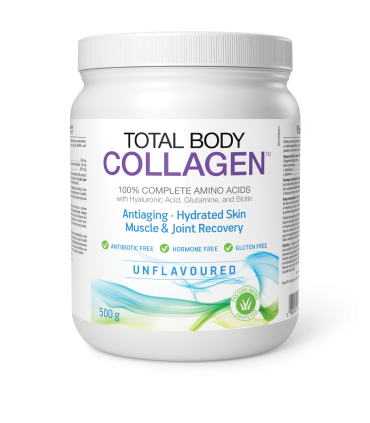
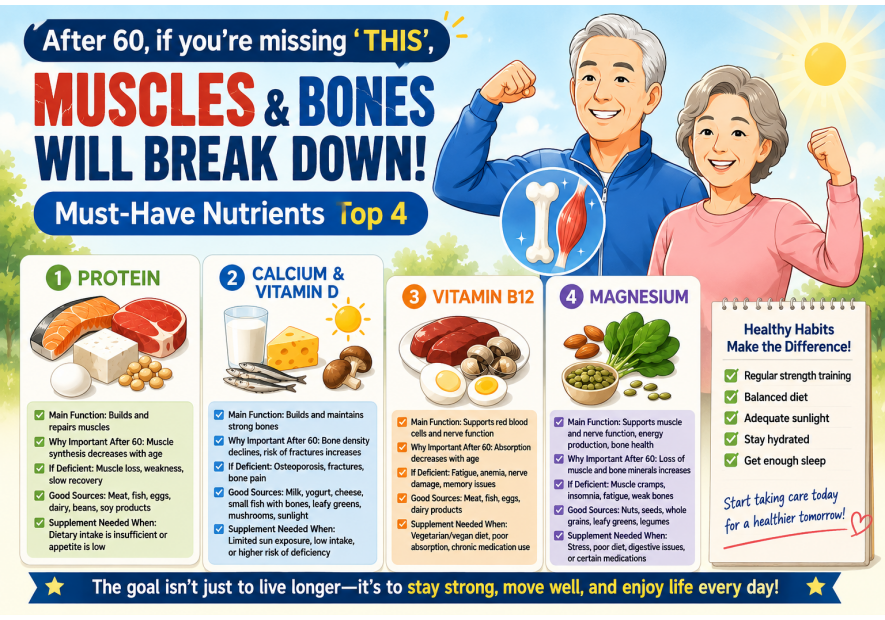
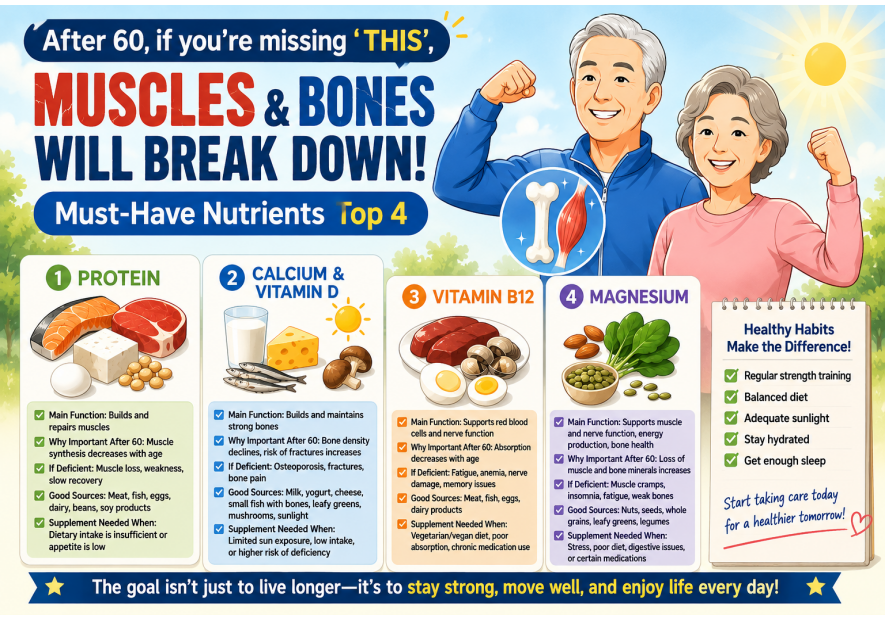
The three key nutrients you must ensure after age 60 are protein, calcium and vitamin D, and vitamin B12. First, protein is the building block for muscles and helps prevent muscle loss associated with aging; however, a deficiency can easily lead to a decline in vitality and sarcopenia, so it is recommended to divide your intake among eggs, tofu, and lean meat at every meal. Second, calcium and vitamin D are a pair of nutrients that support strong bones. Since vitamin D helps calcium absorb and reach the bones effectively, preventing osteoporosis, it is essential to consume milk, anchovies, and mushrooms, along with getting some sunlight. Third, vitamin B12 protects nerve and brain health; a deficiency can cause anemia, nervous system damage, memory loss, and fatigue. As gastric acid secretion decreases after age 60, leading to reduced absorption from food, it is advisable to supplement with nutritional supplements. These four nutrients form a perfect trifecta where muscles (protein) support bones (calcium and vitamin D), and nerves (vitamin B12) complement them to ensure proper functioning. However, rather than consuming excessive amounts, the wisdom of taking the appropriate amount regularly that suits your body is paramount.
Health Habits for People in Their 60s Are More Important Than Nutrients
While taking nutritional supplements can be helpful for maintaining health after the age of 60, they alone cannot protect muscle and bone health. The foundation lies in strength training, sufficient protein intake, and a balanced intake of essential nutrients such as calcium and vitamin D. In particular, consistently performing lower body strength and balance exercises alongside walking helps prevent sarcopenia and promotes stable movement. Getting adequate sunlight during the day and ensuring sufficient sleep are also indispensable lifestyle habits for muscle and bone health. Although calcium, vitamin D, and protein play different roles, managing them together is even more beneficial for maintaining healthy bodily functions. Ultimately, what matters is not consuming large amounts of specific nutrients, but consistently managing exercise, nutrition, and sleep. The true purpose of ensuring adequate nutrition is not merely to live a long life, but to maintain the ability to walk and move on one's own for as long as possible.
Conclusion
As we have seen today, maintaining health after the age of 60 is not achieved simply by blindly taking large amounts of supplements; it begins with properly understanding and replenishing the core nutrients your body truly needs. Protein to protect muscles, calcium and vitamin D to strengthen bones, and vitamin B12 to support nerve and brain health—these four nutrients represent the most reliable investment for a healthy old age. Try dividing your meals into appropriate portions with easily digestible foods at every meal, and consistently combine this with supplements tailored to your body and lower body strength training. A single small nutritional habit today will become a solid asset that allows you to enjoy the world with a joyful stride, independently, and without the help of others, even 10 or 20 years from now. Why not start making small changes for your body right now, beginning with your dinner menu tonight?
Frequently Asked Questions (FAQ)
Q. Which is more effective for Vitamin D: taking supplements or getting sunlight?
A. Since the skin's ability to synthesize Vitamin D decreases after the age of 60, combining sun exposure with supplementation is the most effective method. We recommend enjoying a 20-30 minute walk daily and supplementing with vitamins to make up for any deficiencies.
Q. Do I need to take Vitamin B12 as a separate supplement, or is a multivitamin sufficient?
A. In general, a multivitamin containing an appropriate amount is sufficient for supplementation. However, if you are taking stomach or diabetes medication long-term, or if you experience deficiency symptoms such as numbness in your hands and feet, choosing a high-dose single-vitamin product will be much more helpful.
Q. Can taking supplements alone prevent sarcopenia?
A. It is difficult to prevent sarcopenia solely through supplements; the key is to combine protein intake with strength training. In particular, consistently combining lower body strength and balance exercises helps maintain movement in daily life.
Sources:
1.Protein Intake and Exercise for Optimal Muscle Function with Aging: Recommendations from the PROT-AGE Study Group/ Authors: Bauer, J., Biolo, G., Cederholm, T., Cesari, M., Cruz-Jentoft, A. J., Morley, J. E., ... & Boirie, Y.
2.Sarcopenia: Revised European Consensus on Definition and Diagnosis/ Authors: Cruz-Jentoft, A. J., Bahat, G., Bauer, J., Boirie, Y., Bruyère, O., Cederholm, T., ... & Sayer, A. A.
3.Vitamin D and Calcium Supplementation in Prevention of Musculoskeletal Fractures in Older Adults/ Authors: Avenell, A., Mak, J. C., & O'Connell, D.
4.How I Treat Vitamin B12 Deficiency/ Authors: Carmel, R.

Leave a comment