














Is Morning Fasting Exercise Effective?
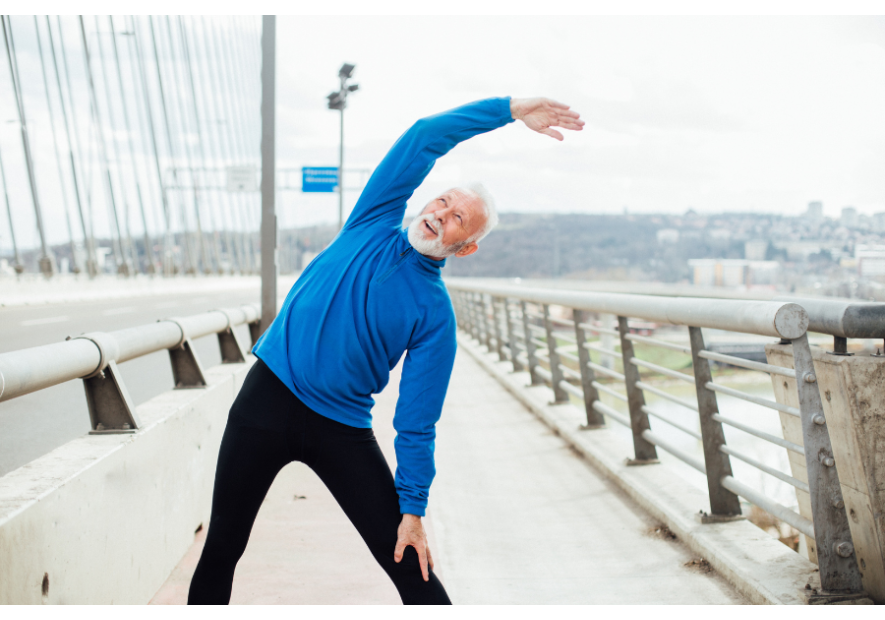
Morning Fasting Exercise can help reduce body fat and control blood sugar. Exercising on an empty stomach is effective in burning fat because it increases the proportion of body fat as an energy source rather than using blood sugar composed of carbohydrates when exercising in a hypoglycemic state, so it can help lose weight. Morning Fasting Exercise can have different effects depending on the individual's health status and exercise goals. Exercising on an empty stomach at high intensity can cause energy shortage, which can reduce exercise performance, and muscle loss can occur because muscle proteins can be broken down and used as an energy source.
How Fasting Exercise Affects Athletic Performance
Does Fasting Exercise Really Help with Weight Loss?
How Fasting Exercise Affects Blood Sugar Levels
Important Things to Keep in Mind Before Morning Exercise
What to Eat After Fasting Exercise?
How Fasting Exercise Affects Athletic Performance
The effects of fasting on exercise performance vary depending on your body type, intensity, duration, and exercise goals. Here are some of the main effects:
Positive effects:
Increased fat burning: Morning Fasting Exercise can help burn fat by using stored fat as an energy source. This can help reduce body fat and manage weight.
Improved mental focus: Morning Fasting Exercise can help you feel lighter and increase mental focus.
Improved insulin sensitivity: Morning Fasting Exercise can improve insulin sensitivity, which can have a positive effect on blood sugar control.
Negative effects:
Decreased energy: Morning Fasting Exercise can lead to decreased exercise performance, especially during high-intensity exercise.
Potential for muscle loss: Morning Fasting Exercise for long periods of time can increase protein breakdown in the body, which can increase the risk of muscle loss.
Risk of hypoglycemia: Low blood sugar can cause dizziness or fatigue. This can be especially dangerous for people with diabetes.
Does Fasting Exercise Really Help with Weight Loss?
The claim that fasting exercise can help with weight loss is scientifically supported, but the effects can vary from person to person. When fasting, the body's glycogen (carbohydrate storage) is low, so the body uses more fat for energy. Therefore, fasting exercise can have a positive effect on increasing the rate of fat oxidation. In addition, Fasting Exercise is more likely to improve insulin sensitivity, which can help control blood sugar and reduce fat storage. A study by a research team at the University of Glasgow in the UK found that exercising before a meal burned 33% more fat than exercising after a meal.
To effectively lose weight through fasting exercise, you must first choose the type and intensity of exercise. Low-intensity aerobic exercise such as walking, light jogging, and yoga can be done on an empty stomach. For high-intensity exercise, it is recommended to consume a small amount of carbohydrates before exercising. Short exercise of 30 to 45 minutes on an empty stomach is appropriate, and long-term exercise is not recommended. The key to losing weight is to maintain a balance between the calories consumed and consumed during the day. Fasting exercise can be used as one of the weight loss strategies, but it is more effective to combine it with diet control and various exercises rather than relying on it too much.
How Fasting Exercise Affects Blood Sugar Levels
The effects of fasting exercise on blood sugar will vary depending on your individual health, the intensity of your exercise, and how long you fast. It is important to consider both the pros and cons of fasting exercise to choose the method that is best for you. On the positive side, fasting exercise can improve insulin sensitivity, which helps you regulate your blood sugar more effectively. This can be especially beneficial for people with insulin resistance. Fasting Exercise can help your body use stored fat as an energy source, which can help prevent spikes in blood sugar levels. On the negative side, Fasting Exercise can cause your blood sugar to drop rapidly. This can cause dizziness, fatigue, and even confusion or fainting, especially in people with poor blood sugar control or who are at high risk for hypoglycemia. This is especially dangerous if you are taking diabetes medications (such as insulin or sulfonylureas). Fasting exercise can temporarily increase levels of the stress hormone cortisol. Since cortisol plays a role in raising blood sugar, some people may experience spikes in blood sugar after exercise.
Important Things to Keep in Mind Before Morning Exercise
Here are some important things to keep in mind to make your Morning Exercise safe and effective. Here are the guidelines:
Hydration:
Since you lose water during the night, it is important to drink plenty of water before exercising. Drink about 500ml of water 30 minutes before you start exercising.
Light Stretching:
Stretching before exercising will help loosen up your muscles and prevent injuries. Stretch your whole body and especially focus on the area you will be exercising.
Light Snack:
Morning Exercise can cause you to feel tired due to lack of energy. However, eating too much can cause digestive problems, so light snacks such as bananas, yogurt, and nuts are recommended.
Sleep:
Make sure you get enough sleep the night before your Morning Exercise. Lack of sleep can impair your performance and increase your risk of injury. Get at least 7-8 hours of sleep.
Appropriate Clothing:
Comfortable and functional workout clothes can help you perform better and prevent injuries. Wear appropriate workout clothes and shoes to protect your body. It is especially important to keep your joints and muscles warm on cold days.
Goal setting and planning:
Setting goals and making plans can help you increase the effectiveness of your workouts. Plan the type of workout, time, and intensity in advance. Don't overdo it in the beginning, and gradually increase the intensity.
What to Eat After Fasting Exercise?
After Fasting Exercise, it is important to eat an appropriate meal to recover quickly and replenish energy and nutrients. Since metabolism is active immediately after exercising, if you eat food immediately without a time gap, it is easy to accumulate fat even if you eat less. It is also more likely to lead to overeating or binge eating, so it is better to eat when your metabolic rate has decreased 1 hour after exercising.
Immediately after exercising, protein is needed to repair damaged muscles and help build muscle, and chicken breast, fish, tofu, eggs (boiled or scrambled), Greek yogurt, and protein shakes are recommended. When exercising on an empty stomach, carbohydrate stores decrease, so you need to replenish them to recover energy, and carbohydrates are also needed to stabilize blood sugar levels. Brown rice, oatmeal, whole grain bread, bananas, and fruits (berries, apples, etc.) are good foods to eat. Consuming a small amount of healthy fat through avocados, nuts (almonds, walnuts, etc.), and olive oil helps replenish energy and provide a feeling of fullness.
It is best not to eat spicy food before or after exercise. Foods containing spicy ingredients such as chili peppers, mustard, and horseradish take a long time to digest. Capsaicin in chili peppers and sinigrin in horseradish can stimulate the stomach mucosa and cause stomachache, heartburn, and vomiting during exercise. It is also best to avoid salty soups. This is because the refined salt in soups causes swelling and interferes with smooth blood circulation.
Source:
1. Does morning exercise burn more fat?
https://wellness.uoguelph.ca/services/health-services/all-health-services/dietitian-services/student-diet-nutrition-faqs/does
2. Can You Lose Weight Faster by Exercising on an Empty Stomach?
https://www.healthline.com/health/fitness-exercise/fasted-cardio-when-to-eat-workout
3.Intermittent Fasting: Does It Affect Sports Performance?
https://pmc.ncbi.nlm.nih.gov/articles/PMC10780856/
4. How Intermittent Fasting Can Help You Lose Weight
https://www.healthline.com/nutrition/intermittent-fasting-and-weight-loss
5. How to Become a Morning Workout Person
https://www.realsimple.com/health/fitness-exercise/morning-workout-tips

Leave a comment