
















Magnesium Selection Guide for Stress-Induced Insomnia
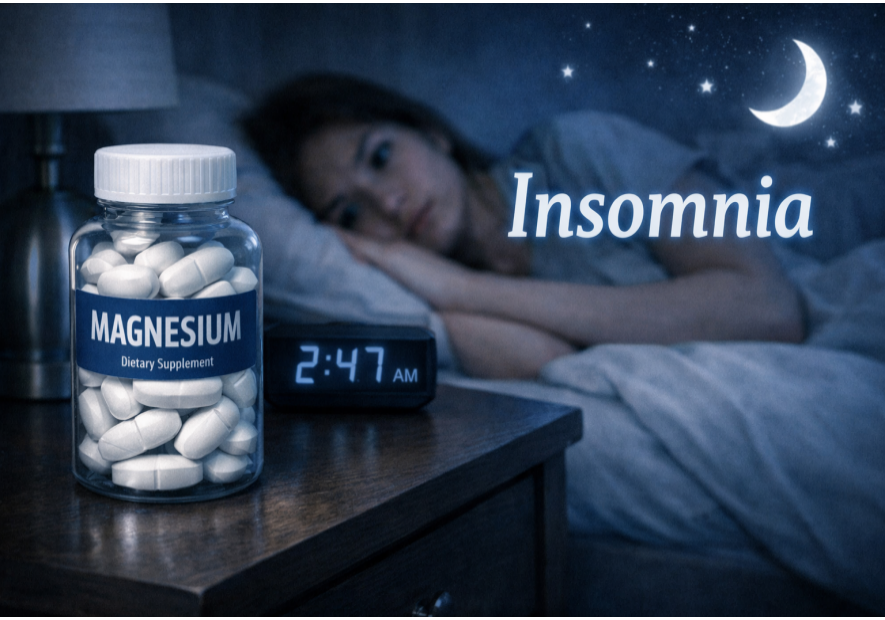
You have likely experienced tossing and turning all night, feeling your body weigh down with sheer heaviness on days of severe stress, only to find your mind surprisingly alert once you lie down in bed. The more you struggle to fall asleep, the more anxiety and distracting thoughts spiral out of control, making nights where even the ticking of the clock sounds louder are truly miserable. This type of stress-induced insomnia is not merely a matter of willpower or sensitivity; it is a physical phenomenon caused by the rapid depletion of magnesium, our body's natural sedative.
Today, we will take a detailed look at a guide to choosing the perfect magnesium supplement for you, along with effective ingredient combinations, to help you break the vicious cycle of nightly insomnia and bring peace to your mind and body.
What happens to the body when you are stressed?
When under stress, our bodies activate the "Fight or Flight" response to counter the threat, releasing a stress hormone called cortisol in the process. At this time, the heart rate accelerates and muscles tense up, causing the body to enter a state of alertness.
The problem is that if this state persists for a long time, the consumption and excretion of magnesium in the body increase, and the levels of melatonin, the hormone that induces sleep, decrease. When magnesium is deficient, nerves and muscles become more sensitive, making it difficult to relax and harder to fall asleep. Ultimately, stress and the resulting magnesium deficiency influence each other, creating a vicious cycle that exacerbates insomnia.
How Does Magnesium Soothe Our Body and Mind?
Magnesium plays a crucial role in maintaining the balance of the nervous system, so much so that it is often referred to as a "natural tranquilizer." Our brain contains a neurotransmitter called GABA, which inhibits nerve excitation and relaxes the body; magnesium is known to assist in the action of this GABA.
This is why it can help calm a body and mind that have become sensitive due to stress. In particular, for those who have difficulty falling asleep or frequently wake up during the night due to tension, magnesium is gaining attention as an important nutrient for restful sleep. Sufficient magnesium intake can play a positive role in creating an environment for comfortable rest and deep sleep.
Which type of magnesium helps with stress relief and restful sleep?
Magnesium does not exist in just one form but is divided into several types, each with slightly different absorption rates and mechanisms of action in the body. Magnesium Bisglycinate is the most recommended for stress relief and restful sleep, as it has a high absorption rate and aids in serotonin synthesis to relieve tension and promote a calm mind.
Magnesium L-Threonate is delivered directly to brain cells to increase brain magnesium levels, making it beneficial for focusing on concentration and mental stability. Additionally, while magnesium oxide has a high content, it has the disadvantage of low absorption and a tendency to cause diarrhea, so it may be less suitable for the purpose of tension relief. Ultimately, the key is to choose a form that suits your sleep patterns and stress levels.
Nutrients That Create Synergy When Taken with Magnesium
While magnesium is important on its own, its stress-relieving effects can be enhanced when consumed with other nutrients. Vitamin B6, which aids in the body's absorption of magnesium and promotes the production of serotonin—the "happiness hormone"—is the perfect match for magnesium. Adding L-theanine, which inhibits glutamate (which stimulates the brain) and activates GABA (which induces relaxation), creates an excellent synergy for relieving tension caused by stress. Vitamin D, involved in stabilizing the nervous system and regulating mood, can also provide synergy with magnesium in relieving mental tension. If your priority is maintaining a more stable state of body and mind, the magnesium + vitamin B6 combination is the safest choice.
When is the best time to take magnesium?
Since the perceived effects of magnesium can vary depending on the time of intake, it is important to take it according to your specific needs. Because magnesium relaxes muscles and calms the sympathetic nervous system to induce rest, it is best to take it after dinner or 1 to 2 hours before bedtime if your goal is stress-induced insomnia. This is because during these times, the body's tension gradually releases, allowing the relaxing effects of magnesium to naturally provide assistance. However, if you occasionally experience overly vivid dreams or wakefulness after taking magnesium, shifting your intake to the morning or lunchtime to use it as a way to defend against daytime stress is also a good approach.
Frequently Asked Questions (FAQ)
● Does high stress cause magnesium to be depleted faster?
Yes. High stress levels tend to cause magnesium to be consumed or excreted more quickly. When under stress, the secretion of stress hormones like adrenaline increases, and this process can cause magnesium to be expelled from the body or reduce its internal reserves.
● What are the main physical symptoms of magnesium deficiency?
The most common symptoms of magnesium deficiency include eyelid twitching, muscle cramps, fatigue, anxiety, and insomnia. If symptoms worsen, palpitations, numbness in the hands and feet, constipation, and headaches may also occur.
● How much should I consume to eliminate symptoms of magnesium deficiency?
To improve symptoms of magnesium deficiency according to management goals, the general standard is to consistently take at least 280mg of magnesium per day as a supplement.
Conclusion: Stress-induced Insomnia, Selecting the Right Magnesium Is Key
Stress increases cortisol secretion, which accelerates magnesium depletion and heightens physical tension. Ultimately, a prolonged state of excessive nervous system excitement can lead to insomnia, making it difficult to fall asleep. Magnesium acts as a "natural sedative" that alleviates this nervous excitement and stabilizes both body and mind.
In particular, choosing Magnesium Bisglycinate can effectively aid in stress relief and promote restful sleep. Furthermore, combining it with Vitamin B6 and L-theanine can create the best synergistic effects for soothing a sensitive mind and body. Starting today, we hope you release the tension accumulated during the day and achieve deep, peaceful sleep throughout the night through the perfect magnesium combination tailored to your body.
References
10 Best magnesium for sleeping, https://oneclearwinner.ca
Which Magnesium Is Best for Sleep? https://www.healthcentral.com/sleep
Best Magnesium for Sleep https://neurolaunch.com/best-magnesium-for-sleep/
Which Nutrients Can Be Combined with Magnesium? https://wellbeingnutrition.com
Which nutrients can magnesium be combined with? https://swilab.ch/en
Magnesium Supplementation for Anxiety https://drbrighten.com/

Leave a comment