

















Managing Stress-Induced Fatigue: Ways to Boost Your Adrenal Glands and Dietary Solutions
There are many causes of fatigue, and the reasons may vary depending on each individual's health condition, lifestyle, environment, mental condition, etc. Managing stress-related fatigue requires a multifaceted approach that includes lifestyle changes, stress management techniques, and dietary adjustments. Adrenal fatigue syndrome is believed to be caused by the adrenal glands continually secreting excessive amounts of hormones, often due to stress, overwork, or tension. The adrenal glands play an important role in the response mechanism to stress, and it has been explained that continuous stress can cause the adrenal glands to become overactive, disrupting hormonal balance. However, to date, this syndrome has not been clearly scientifically proven, and some There are many different opinions in the medical community about adrenal function. Therefore, there is still no firm medical consensus on this. If you suffer from chronic fatigue or suspect an adrenal problem, it is recommended that you consult a healthcare professional for personalized advice and guidance.
What are adrenal glands and what do they do?
Unraveling the Mystery: Your Adrenal Glands and Stress
Managing Stress-Induced Fatigue
Supplement Solutions to Combat Fatigue
What are adrenal glands and what do they do?
The adrenal glands are small, triangular-shaped hormone-producing organs located at the top of each kidney. Despite their relatively small size, these adrenal glands play an important role in the endocrine system and are essential for a variety of physiological processes in the body. The functions of the adrenal glands are diverse, and overall they play an important role in regulating physiological responses for survival in stressful situations. In stressful situations, hormones such as cortisol and epinephrine increase, causing effects such as raising blood sugar, providing energy to muscles, and increasing heart rate and blood pressure. Impaired adrenal gland function can lead to a variety of health problems, and the resulting imbalance in the body can cause a variety of symptoms. Therefore, regular lifestyle habits, adequate rest, and balanced diet are important to maintain adrenal health.
The adrenal glands are made up of two parts: the adrenal cortex and the adrenal medulla, each of which produces different hormones. The outer layer of the adrenal glands is called the adrenal cortex. It produces several important hormones, including cortisol and aldosterone. Often called the “stress hormone,” cortisol helps regulate the body’s response to stress and plays an important role in the “fight or flight” response. Do it. It also helps regulate metabolism, blood sugar, and immune function.Aldosterone is involved in regulating salt and water balance in the body. Aldosterone helps regulate blood pressure by acting on the kidneys to retain sodium and excrete potassium.
The inner part of the adrenal glands is called the adrenal medulla. It is responsible for producing two major hormones: The hormone epinephrine plays an important role in the body's "fight or flight" response. It increases the heart rate, dilates the airways, and redirects blood flow to vital organs, preparing the body to respond to a perceived threat. The hormone norepinephrine, like epinephrine, is involved in the "fight or flight" response. This increases alertness, constricts blood vessels, and increases blood pressure.
Maintaining a healthy lifestyle, managing stress, and providing proper nutrition are important to support optimal adrenal function. Chronic stress or other factors that disrupt the balance of adrenal hormones can cause conditions such as adrenal fatigue, which can manifest as symptoms of fatigue, weakness, and other health problems. If you suspect an adrenal problem, it is important to consult a medical professional for appropriate evaluation and guidance.
Unraveling the Mystery: Your Adrenal Glands and Stress
The relationship between the adrenal glands and stress is important, with the adrenal glands primarily involved in regulating the body's physiological response to stress. Sustained, chronic stress can impair adrenal gland function and lead to long-term elevations in cortisol levels. If the adrenal glands continually secrete excessive amounts of hormones, this can lead to a condition called “adrenal fatigue.” This can cause a variety of symptoms, including fatigue, lack of energy, and sleep problems. For this reason, stress management is important for overall health and requires adequate rest, diet, exercise, and mental stability.
Cortisol, produced by the adrenal cortex, increases during stressful situations. Cortisol primarily regulates sugar production and metabolism. When cortisol levels increase during stressful situations, the liver produces glucoamine, which increases blood sugar levels and provides additional energy to muscles. Another hormone, aldosterone, can temporarily increase blood pressure during stressful situations by promoting water retention. Cortisol also affects the immune system, temporarily suppressing the immune response in acute stressful situations. This is believed to be part of a physiological response to prioritize energy consumption in urgent situations. Epinephrine and norepinephrine, produced in the adrenal medulla, increase during stressful situations and promote the body's emergency response. These hormones increase your heart rate and blood pressure, allowing you to act or react quickly.
Managing Stress-Induced Fatigue
To manage stress-related fatigue, it is important to try a variety of comprehensive methods that address both the physical and psychological aspects of stress to find what works best for you. Below are some common strategies to help you manage stress and fatigue. These strategies can help you manage stress and fatigue effectively, and it is important to choose the appropriate method based on your individual circumstances and preferences to effectively integrate it into your daily life.
Identify stressors:
- Recognize the causes of stress in your life and try to find practical solutions.
- Reduce feelings of overwhelm by prioritizing tasks and breaking them down into manageable steps.
Adequate sleep:
- Get enough sleep every night. Aim for 7 to 9 hours of quality sleep to support your physical and mental well-being.
- Establish a regular sleep schedule and create a relaxing bedtime routine.
regular exercise:
- Get regular physical activity. Exercise can help reduce stress and improve overall energy levels.
- Choose your favorite activity: walking, jogging, swimming, dancing, etc.
Balanced Nutrition:
- Maintain a balanced, nutritious diet to provide your body with the fuel it needs.
- Include a variety of fruits, vegetables, whole grains, lean proteins, and healthy fats in your meals.
Relaxation techniques:
- Practice relaxation techniques such as deep breathing, meditation, and progressive muscle relaxation to calm your nervous system.
- Consider activities like yoga or tai chi that combine physical movement and mental relaxation.
Rest and Self-Care:
- Take regular breaks throughout the day to recharge.
- Prioritize self-care activities that bring you joy and relaxation, such as reading, taking a bath, or spending time in nature.
Expert help:
- If stress and fatigue persist, it is recommended to seek help from a mental health professional.
- Therapy, counseling or stress management programs can provide valuable support.
Supplement Solutions to Combat Fatigue
There are also several supplements that can help support healthy adrenal function. These include vitamin C, magnesium, B vitamins, omega-3 fatty acids, ashwagandha, rhodiola, and more. However, it is important to consume all nutrients in a balanced manner, which means getting sufficient amounts from a variety of food groups. .
Vitamin B complex:
B vitamins are essential for energy production and nerve function. Meat, fish, chicken, and green vegetables contain large amounts of B vitamins.
Omega-3 fatty acids:
Omega-3 fatty acids play an important role in energy metabolism. This helps your body convert nutrients into energy, which helps relieve feelings of fatigue and exhaustion.
Vitamin B5 Pantothenic acid:
Pantothenic acid is a key component of coenzyme A (CoA), which is involved in breaking down carbohydrates, fats, and proteins for energy. By supporting these metabolic processes, vitamin B5 may contribute to increasing energy levels. Vitamin B5 is involved in the production of adrenal hormones such as cortisol. The adrenal glands play an important role in the body's response to stress. Adequate levels of vitamin B5 can support a healthy stress response, potentially reducing stress-related fatigue.
Ashwagandha:
Ashwagandha has been traditionally used to improve vitality and energy. Studies have shown that ashwagandha supplements may improve energy levels and reduce fatigue.
Rhodiola:
Rhodiola is classified as an adaptogen similar to ashwagandha. Studies have shown that Rhodiola rosea may help improve attention, concentration, and overall mental performance, including mental fatigue. Additionally, it can improve the body's ability to handle physical stress, potentially reducing fatigue associated with physical activity. Rhodiola may help balance mood and reduce fatigue by regulating neurotransmitters such as serotonin and dopamine.
Lecithin
Lecithin is a fatty substance derived from soybeans, eggs, and sunflower seeds that plays a variety of roles in the body that can indirectly affect energy levels and overall well-being. Lecithin is a source of choline, a precursor to acetylcholine, a neurotransmitter involved in memory and cognitive functions. Adequate choline levels support optimal brain function and can potentially reduce mental fatigue. Choline is also important for liver function, especially fat metabolism. A healthy liver is essential for energy metabolism and overall well-being.
References:
1.Stress and Fatigue - The Adrenal Connection - NeuroScience. https://www.neuroscienceinc.com/news/2021/stress-and-fatigue-the-adrenal-connection.
2.Adrenal Fatigue: All You Need to Know | Amy Myers MD. https://www.amymyersmd.com/article/adrenal-fatigue.
3.Adrenal Glands | Johns Hopkins Medicine. https://www.hopkinsmedicine.org/health/conditions-and-diseases/adrenal-glands.
4.Is adrenal fatigue "real"? - Harvard Health.
https://www.health.harvard.edu/blog/is-adrenal-fatigue-real-2018022813344.
5.The Effects of Anxiety on the Endocrine System - Calm Clinic. https://www.calmclinic.com/anxiety/symptoms/endocrine-system.

Vitamin B5 Synergistic 180 Capsules
Product Code : NRT02584
Each capsule is formulated with 500 mg of the biologically active vitamin B5 as calcium pantothenate. Vitamin B5 Synergistic also contains critical cofactors for immune health.
-10% IN CART
- Hidden Deal In Cart

Unbleached Lecithin 1200 mg, 180 Softgels
Product Code : NFT02601
Helps support liver functions High-quality formula Provides 1200 mg of lecithin per softgel Made from non-GMO soybean
- -15%
- -15%
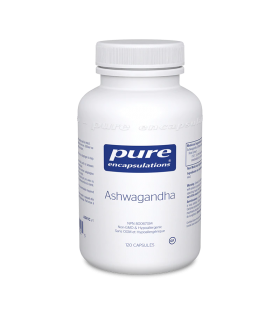
Ashwagandha 120 Capsules
Product Code : PUR11722
Helps increase energy and resistance to physical and mental stress Each capsule provides 500 mg of Ashwagandha (Withania somnifera) root extract standardized to contain 2.5% withanolides Made with hypoallergenic, vegan ingredients
-25% IN CART
- Hidden Deal In Cart

Advanced B Complex, 180 Capsules
Product Code : AOR04206
Full-spectrum B complex Active forms of B-vitamins your body can readily use Balanced ratios and clinically-supported doses Support for metabolism and red blood cell production Doesn’t cause niacin “flush”
-10% IN CART

Rhodiola Rosea 60 Vegi Capsules
Product Code : NWY31018
Nature's Way Rhodiola Rosea is used in herbal medicine to help support cognitive function such as mental focus and mental stamina. Nature's Way Rhodiola Rosea is Vegetarian and Non-GMO Project Verified.
- -20%
- -20%