












Melatonin Beyond Insomnia: Fighting Dementia, Preventing Cancer
Melatonin is a hormone produced in the north, and plays an important role in detecting the photoperiod, which is equal to the length of night and poles, regulating human forest-wake rhythms and daily and seasonal rhythms, and inducing natural sleep. Pray for sleep as it plays a pivotal role in getting sleep. In the summer it is lighter and used more at night, and in the winter it has a distinct action. They are mainly produced in dark environments and are produced in response to fluctuations in the eye's retina. As we age, more melatonin tends to be produced. Melatonin can be used to treat a variety of sleep problems, including insomnia, jet lag, and floaters. As for future releases, Motellatonin is unique in terms of improvements and additional additional features.
Melatonin: A Newly Recognized Player in the Aging Society
Clinical Efficacy of Melatonin
Utilizing Melatonin for Dementia Prevention
Exploring Melatonin's Anticancer Effects
Medical Potential of Plant-Derived Melatonin
Melatonin: A Newly Recognized Player in the Aging Society
The role of melatonin in the aging process has received increasing attention in recent years. As our understanding of aging deepens, we are discovering the many ways in which melatonin affects many aspects of health and well-being. Melatonin is a powerful antioxidant that scavenges free radicals and reduces oxidative stress. As we age, our bodies become more susceptible to oxidative damage, which contributes to the aging process and age-related diseases. The antioxidant effects of melatonin help mitigate this damage, potentially slowing the aging process.
Melatonin may help strengthen the body's defenses against age-related decline by supporting immune function. Some studies show that melatonin may help protect nerve cells in the brain and reduce brain damage. This may help reduce the onset and progression of neurodegenerative diseases such as geriatric diseases (Alzheimer's and Parkinson's diseases). Melatonin may also help prevent dementia. Because it helps regulate circadian rhythms and protect brain cells, regular consumption of melatonin may reduce the likelihood of developing dementia.
Clinical Efficacy of Melatonin
Although melatonin is considered a sleep hormone, its role is not limited to regulating sleep. Research on melatonin in relation to cancer, dementia, heart, etc. is very active. In fact, if you search melatonin on Google Scholar, you will find 702,000 related papers, of which 209,000 are cancer-related, 64,900 are dementia-related, and 158,000 are heart-related.
Improves sleep quality: Melatonin is widely used to treat sleep disorders, including insomnia, delayed sleep phase syndrome (DSPS), and jet lag. Studies have shown that melatonin supplementation in individuals with sleep disorders can improve sleep quality, shorten the time it takes to fall asleep, and regulate the sleep-wake cycle. At Capital Medical University in China, healthy adults exposed to noise and light were divided into a melatonin group and a comparison group, and it was found that total sleep time increased by 33.6 minutes and sleep latency decreased by 27.6 minutes in the melatonin group.
Anti-inflammatory and antioxidant action: Melatonin also has an antioxidant function that removes free radicals, reduces oxidative stress and protects cells. This may help prevent health problems such as heart disease, stroke, and other chronic diseases. The antioxidant power of melatonin is superior to that of glutathione, vitamin E, and vitamin C, and it has been found to prevent DNA damage 60 to 70 times more effectively than vitamins C and E. In addition, melatonin also has anti-inflammatory properties, which can reduce the inflammatory response by inhibiting the activity of cytokines that cause inflammation.
Improves neurological disorders: Melatonin prevents the accumulation of beta-amyloid in the brain and inhibits tau protein phosphorylation in neurons, offering the potential to slow the onset of Alzheimer's dementia. This is because melatonin reduces oxidative stress in the brain and has a neuroprotective effect.
Anti-cancer effect: Melatonin prevents the growth and metastasis of cancer cells by interfering with their metabolic processes and inhibiting cell division. In addition, melatonin promotes the natural death of cancer cells and suppresses the progression of cancer by changing the microenvironment around cancer cells.
Utilizing Melatonin for Dementia Prevention
Dementia is a term that encompasses a variety of diseases that cause a decline in brain function, the most common form of which is Alzheimer's dementia. Alzheimer's dementia is caused by the accumulation of abnormal proteins in the brain, and the main causes are beta amyloid plaques and tau protein tangles. Some studies suggest that melatonin may help slow the progression of Alzheimer's disease and other forms of dementia by mitigating the accumulation of these pathological proteins and inhibiting their neurotoxic effects.
One recent study observed a significant reduction in beta-amyloid buildup and improved cognitive function in a group of mice that consumed melatonin regularly. These results suggest that melatonin may contribute to the prevention and delay of progression of Alzheimer's dementia. A double-blind randomized controlled trial in healthy older adults found that taking 1 mg of melatonin daily for 4 weeks improved feelings of calm and verbal fluency scores. In particular, a slowing of cognitive decline along with better sleep patterns was observed in Alzheimer's patients who took melatonin at night.
These findings show that melatonin may help protect neurons from damage and slow the neurodegenerative process associated with dementia by scavenging free radicals and reducing inflammation. Therefore, melatonin can be effectively used in the complex treatment of dementia, and to prevent dementia, it is recommended to pay attention to regular melatonin supplementation to prevent waste products from accumulating in the brain.
Exploring Melatonin's Anticancer Effects
Metastasis inhibition:
Melatonin has immunomodulatory effects, affecting the activity of various immune cells and cytokines. A well-functioning immune system is important for detecting and eliminating cancer cells. Melatonin may help limit the progression of metastatic disease by enhancing immune surveillance and promoting anti-tumor immune responses, potentially inhibiting the proliferation of cancer cells and preventing them from spreading to distant parts of the body.
Hormonal regulation:
Melatonin regulates the secretion of hormones such as estrogen, which can affect the development and progression of hormone-sensitive cancers such as breast and prostate cancer. Melatonin may help prevent hormone-related cancers or improve the efficacy of hormone therapy in cancer treatment by regulating hormone levels and signaling pathways.
Antioxidant Defense:
Melatonin's antioxidant properties protect cells from oxidative damage, potentially reducing cancer risk. Melatonin is a powerful antioxidant that can neutralize free radicals and reduce oxidative stress. High levels of oxidative stress can damage cells and DNA, contributing to the development and progression of cancer. Melatonin may help protect cells from oxidative damage and inhibit carcinogenesis by scavenging free radicals.
In summary, we highlight that melatonin can play an important role in cancer prevention and management beyond being a simple sleep aid. Melatonin can be incorporated into the treatment plan of cancer patients and may be particularly beneficial in managing the side effects of anticancer treatment and improving patients' quality of life.
Medical Potential of Plant-Derived Melatonin
Melatonin was first discovered in plants in 1995. It is best known as a neurohormone in mammals, but is also present in a variety of plant species. Plants produce melatonin in response to environmental stressors such as drought, temperature fluctuations, and ultraviolet radiation. Melatonin in plants may play a role in protecting plants from oxidative damage and enhancing their resilience to stress. Some fruits, vegetables, grains, and nuts contain naturally occurring melatonin. Corn, mushrooms, pistachios, tart cherries, and oats are rich in natural melatonin. Eating melatonin-rich foods can contribute to your overall melatonin intake and potentially provide health benefits.
There is increasing interest and research into the medical use of plant melatonin. Plant-derived melatonin supplements are being studied as a natural treatment for sleep disorders such as insomnia, jet lag, and shift work sleep disorder. Plant-derived melatonin is often accompanied by other phytochemicals such as polyphenols, flavonoids, and vitamins, which can provide synergistic health effects. These compounds may enhance melatonin's antioxidant, anti-inflammatory, and other therapeutic properties, potentially providing greater health benefits than melatonin alone.
Source:
1.Therapeutic potential of melatonin and its derivatives in aging and .... https://link.springer.com/content/pdf/10.1007/s10522-022-10006-x.pdf.
2.Melatonin treatment may be effective for the treatment of dementia .... https://www.cochrane.org/CD003802/DEMENTIA_melatonin-treatment-may-be-effective-for-the-treatment-of-dementia-related-behavior-disturbances.
3.Melatonin for Insomnia: A Review of Clinical Effectiveness, Cost .... https://www.cadth.ca/melatonin-insomnia-review-clinical-effectiveness-cost-effectiveness-and-guidelines.
4.New study shows melatonin may help in the fight against ... https://www.deakin.edu.au/about-deakin/news-and-media-releases/articles/new-study-shows-melatonin-may-help-in-the-fight-against-alzheimers-disease.
5.Melatonin and its ubiquitous anticancer effects | Molecular and .... https://link.springer.com/article/10.1007/s11010-019-03617-5.
6.Understanding Plant Based Melatonin: A Comprehensive Guide. https://goodnightnatural.com/en-us/blogs/sleep-station/understanding-plant-based-melatonin-a-comprehensive-guide.
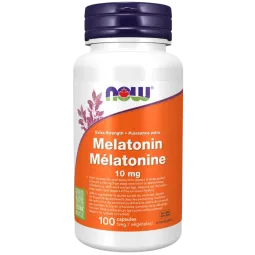
Melatonin 10 mg, 100 Capsules
Product Code : NOW83557
Helps increase the total sleep time in people suffering from sleep restriction or altered sleep schedule, e.g. shift-work and jet lag Helps re-set the body's sleep-wake cycle Extra Strength Vegetarian/Vegan
- -15%
- -15%
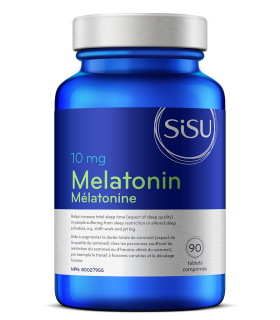
Melatonin 10 mg, 90 Tablets
Product Code : SU2589
Improved Rest Aid; Melatonin can help people with low melatonin levels fall asleep more easily, sleep longer and wake up less frequently by resetting an internal clock disrupted by jet lag, daylight savings time, or shift work. High-Potency Melatonin Supplement; Ideal for people taking high...
-17% IN CART
- Hidden Deal In Cart

Liquid Melatonin 10 mg Black Cherry, 59 mL [DISCONTINUED]
Product Code : SU4105
Improved Rest Aid; Melatonin can help people with low melatonin levels fall asleep more easily, sleep longer and wake up less frequently by resetting an internal clock disrupted by jet lag, daylight savings time, or shift work. High-Potency Melatonin Supplement; Ideal for people taking high...
- Hidden Deal In Cart
- Out-of-Stock
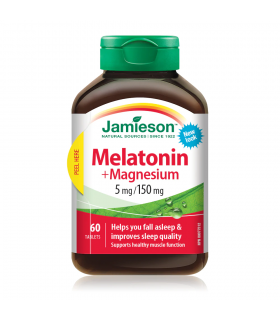
Melatonin 5 mg + Magnesium 60 Tablets
Product Code : JMS09024
Jamieson Melatonin with Magnesium combines the sleep improving benefits of Melatonin with the relaxation promoting benefits of Magnesium in a single dose. While 5 mg of Melatonin will help you to fall asleep and stay asleep, Magnesium helps with healthy muscle function, resulting in deep...
- -15%
- -15%
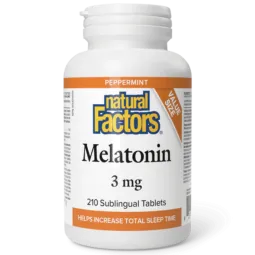
Melatonin 3 mg Peppermint, 210 Sublingual Tablets
Product Code : NFT08701
Helps reset the body’s sleep-wake cycle (an aspect of the circadian rhythm) Helps increase total sleep time in people experiencing sleep restriction or altered sleep schedules Helps reduce the time it takes to fall asleep in people who fall asleep slowly Helps prevent or reduce the effects...
- -20%
- -20%
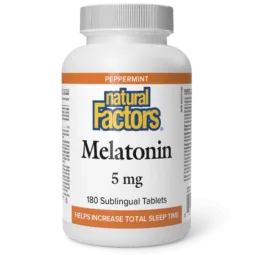
Melatonin 5 mg Peppermint, 180 Sublingual Tablets
Product Code : NFT02718
Helps reset the body’s sleep-wake cycle (an aspect of the circadian rhythm) Helps increase total sleep time in people experiencing sleep restriction or altered sleep schedules Helps reduce the time it takes to fall asleep in people who fall asleep slowly Helps prevent or reduce the effects...
- -15%
- -15%
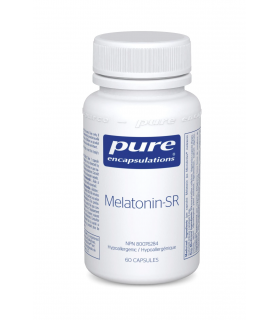
Melatonin-SR 60 Capsules
Product Code : PUR01917
Sustained-release melatonin to support restful sleep Promotes healthy sleep patterns in people suffering from sleep restriction, altered sleep schedule and delayed sleep phase disorder Offers MicroActive® melatonin for sustained, six-hour support Made with hypoallergenic, vegan ingredients
-25% IN CART
- Hidden Deal In Cart
- -15%
- -15%
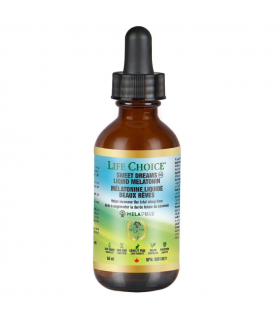
Sweet Dreams Liquid Melatonin 60 ml
Product Code : LIF00239
Relieves insomnia and promotes a good night’s sleep Eases jet lag without the apparent adverse side effects of other remedies USP Grade Cruelty Free Patented Peppermint Flavour
-15% IN CART
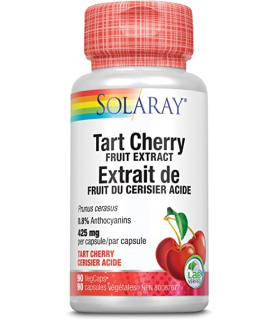
Tart Cherry Fruit Extract 90 Capsules
Product Code : SOL71319
Solaray Tart cherry capsules designed to help support healthy uric acid levels and comfortable joints.
- Out-of-Stock
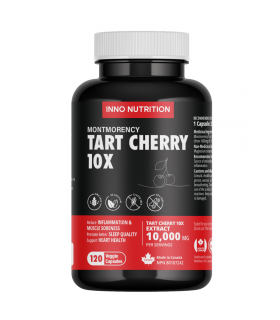
Tart Cherry 10X 120 Capsules
Product Code : INN61214
100% Natural Antioxidants Made with Montmorency Tart Cherries o Anti-Inflammatory Properties o Promotes Healthy Joints & Connective Tissues o Balances Uric Acid Levels o Sleep Aid

- -20%
- -20%
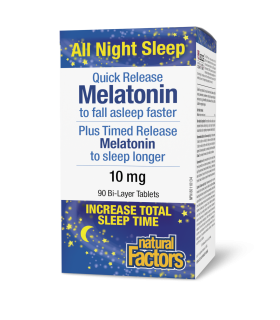
Melatonin Quick Release Plus Timed Release 10 mg Bi-Layer Tablets 90 b/l Tablets
Product Code : NFT02724
Helps reset the body’s sleep-wake cycle (an aspect of the circadian rhythm) Helps increase the total sleep time in people experiencing sleep restriction or altered sleep schedules (e.g. shift work and jet lag) Helps reduce the time it takes to fall asleep in people who fall asleep slowly 5...
- -15%
- Out-of-Stock
- -15%
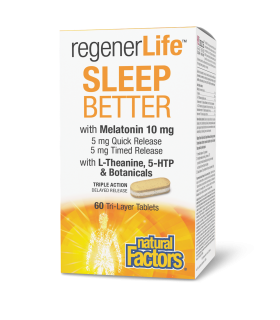
RegenerLife Sleep Better 60 Tri-Layer Tablets
Product Code : NFT01903
Promotes a longer, better quality of sleep for improved overall health Addresses sleep concerns associated with age-related declines in melatonin and sleep disruptions Resets a normal sleep-wake cycle in people experiencing disrupted sleep patterns Reduces the time it takes to fall asleep...
-25% IN CART