











Navigating Menopause: Managing Flushing, Hot Flashes, and Sweating
Sudden flushing, hot flashes, and excessive sweating may have several causes. In women, flushing and hot flashes may occur due to changes in hormonal levels during menopause or pregnancy. It's important to remember that every woman's experience with menopause is unique, and not all women experience the same symptoms or intensity. If these symptoms persist or are severe, it is important to consult a doctor to determine the cause and find appropriate treatment or management.
Phases of Menopause
Identifying Early Signs of Menopausal Symptoms
Effective Strategies to Alleviate Hot Flashes
Managing Night Sweats for a Restful Sleep
Natural Remedies for Menopausal Comfort
Phases of Menopause
Menopause is a natural biological process that occurs as women age, marking the end of their reproductive years. It usually occurs between the ages of 45 and 55, with an average age of onset of approximately 51 years. Each woman's experience with menopause is unique, and the duration and severity of symptoms can vary widely. Some women are able to get through menopause with minimal discomfort, while others may struggle with more severe symptoms that seriously impact their quality of life. It is generally divided into three stages: pre-menopause, menopause, and post-menopause.
1. Premenopause: This stage begins several years before menopause and can sometimes last up to 10 years. During this time, hormone levels, especially estrogen and progesterone, begin to fluctuate, causing irregular menstrual cycles and symptoms such as hot flashes, night sweats, mood swings, and changes in libido.
2. Menopause: Menopause is officially diagnosed when a woman has had no menstruation for 12 consecutive months. At this point, the ovaries stop releasing eggs and estrogen levels decrease, which can cause a variety of symptoms. Although menopause is a natural and normal part of aging, hormonal fluctuations can bring about a variety of physical and emotional changes. You may suddenly feel feverish and flush your face or entire body. Psychological symptoms such as depression, anxiety, and fatigue may occur.
3. Postmenopause: Postmenopause refers to the period after menopause. At this stage, menopause symptoms such as hot flashes and mood changes may gradually lessen for many women, but for some women, they may continue to occur. However, postmenopausal women have an increased risk of certain health conditions, such as osteoporosis, heart disease, and vaginal dryness, due to decreased estrogen levels. It is important for postmenopausal women to prioritize preventive health care, such as regular checkups and healthy lifestyle habits, to maintain overall health.
Identifying Early Signs of Menopausal Symptoms
Identifying the early signs of menopause symptoms can help women properly prepare for the changes ahead. Some common early signs to look out for include:
Menstrual cycle changes: Irregular menstrual cycles are one of the most common early signs. Changes such as shortening, lengthening, or irregularity of the menstrual cycle may occur.
Hot flashes: Hot flashes are a sudden feeling of warmth spreading throughout the body, often accompanied by flushing and sweating. It may occur during the day or night and may interfere with sleep. Hot flashes are usually associated with menopause, but they can also occur before or after menopause.
Vaginal dryness and changes in sexual desire: Decreasing estrogen levels can cause changes in vaginal health, including dryness, itchiness, and discomfort during intercourse. These changes may occur early in menopause and may affect sexual function and comfort. Some women may experience decreased sexual desire and changes in arousal during menopause.
Mood changes: Hormonal fluctuations around menopause can affect mood stability, causing mood swings, irritability, anxiety, or depression. Women may notice emotional changes that are unusual for them.
Sleep disorders: Insomnia, difficulty falling asleep, or waking frequently at night is more common during the perimenopause period and may continue after menopause. Night sweats and hot flashes can cause sleep problems.
Effective Strategies to Alleviate Hot Flashes
Hot flushes can be alleviated through self-care, such as wearing layers of clothing, avoiding hot and spicy foods, and trying to reduce stress. If these symptoms are bothersome and interfere with your daily activities, you may want to see a doctor.
Hormone Replacement Therapy (HRT): Estrogen replacement is the most effective treatment for hot flashes. This may help relieve hot flashes in some women. However, hormone treatment has side effects and risks, so decisions should be made after consulting a doctor.
Herbal remedies: Some that may help relieve hot flashes in some women include black cohosh, red clover, and evening primrose oil.
Mind-Body Practice: Reducing stress can reduce the frequency of hot flashes. Take time to relax, such as deep breathing, yoga, or meditation.
A healthy lifestyle: Getting enough sleep, exercising regularly, managing stress, and avoiding tobacco and alcohol may also help. Spicy foods, alcohol, and caffeine can cause facial flushing, so it is best to avoid them as much as possible.
Sun Protection: Use sunscreen to protect your skin from sunlight. Because hot flashes can get worse when exposed to the sun, it is important to apply sunscreen whenever you go out.
Managing Night Sweats for a Restful Sleep
There are several ways to reduce or prevent night sweating while you sleep. Sweating can occur for many reasons, but you can try a few strategies to reduce it.
Use appropriate bedding: Quilts or blankets that are too thick can increase body temperature. Choose a blanket of appropriate thickness and, if necessary, use multiple thin layers. It is also helpful to choose a ventilated blanket.
Choose appropriate clothing: Choose comfortable, casual clothing when sleeping. It is especially recommended to choose clothing made of breathable cotton.
Stress management: Stress can make night sweats worse, so doing deep breathing, meditation, or gentle yoga before bed can help relieve stress.
Limit trigger foods and drinks: Avoid spicy foods, caffeine, and alcohol. These foods can cause you to sweat at night and disrupt your sleep patterns.
Proper temperature and humidity control: Adjust the temperature and humidity in your bedroom to a comfortable level. An environment that is too hot or humid can cause sweating. It may be helpful to use an air purifier or dehumidifier to purify the air and keep it dry.
Natural Remedies for Menopausal Comfort
Considering natural remedies to relieve menopause symptoms is a very wise choice. These natural remedies can help relieve menopause symptoms, but their effectiveness may vary depending on your individual situation.
Regular exercise: Regular aerobic exercise may help relieve menopause symptoms. Exercises such as walking, swimming, and yoga can reduce stress and improve hormonal imbalances.
Healthy eating habits: It is important to manage your meals healthily through diet. Enriching your diet with fiber improves digestion and helps manage weight. You should also avoid excessive caffeine and alcohol and keep your diet healthy and balanced. Eating foods rich in antioxidants may also help.
Manage stress: Stress can make menopause symptoms worse. Manage stress through meditation, deep breathing, massage, or any activity that interests you.
Natural remedies: Plant-based natural remedies, including red ginseng, black beans, jujube, and cordyceps, may help regulate hormone levels and relieve menopause symptoms.
Improved sleep: Getting enough rest is also very important. Lack of sleep can worsen menopause symptoms. Maintain good sleeping habits and improve your sleeping environment to ensure a comfortable sleep.
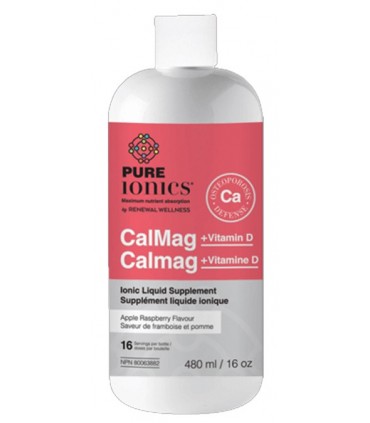
Nutritional supplementation: It is important to supplement with nutrients such as calcium and vitamin D to prevent health problems that may occur after menopause, such as osteoporosis.
Source:
1. What is Hot flashes and its causes and related conditions?.
https://bing.com/search?q=menopause+flushing+hot+flashes+sweating.
2. Menopause: Stages, Symptoms, Diagnosis, & Treatment - Health. https://www.health.com/menopause-overview-7485701.
3. Menopause - Symptoms and causes - Mayo Clinic.
https://www.mayoclinic.org/diseases-conditions/menopause/symptoms-causes/syc-20353397.
4. Hot Flashes - Remedies | Menopause Hot Flashes | Alloy. https://www.myalloy.com/blog/remedies-for-hot-flashes.
5. Night Sweats: Menopause, Other Causes & Treatment - Cleveland Clinic. https://my.clevelandclinic.org/health/symptoms/16562-night-sweats.
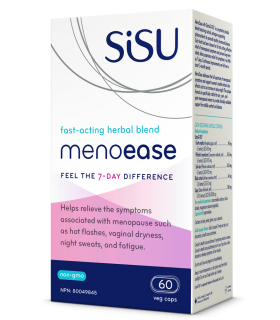
MenoEase with EstroG-100, 60 Vegetable Caps
Product Code : SU1447
Natural Menopause Support; Sisu MenoEase contains EstroG-100 a proprietary herbal blend featuring natural, estrogen-supporting phytonutrients to promote healthy hormonal balance. Fast Comprehensive Relief; With effects seen in as few as 7 days, MenoEase helps to relieve the full range of...
- Hidden Deal In Cart
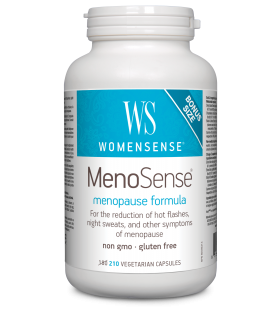
MenoSense 210 Vegi Capsules BONUS SIZE
Product Code : WMS00081
Get WomenSense's exclusive deal BEFORE it's gone!MenoSense is a natural formula containing dong quai, chasteberry, black cohosh, gamma-oryzanol, and hesperidin. Health care practitioners recommend MenoSense for the reduction of hot flashes, night sweats, and the other symptoms of menopause.
-20% IN CART
- Hidden Deal In Cart
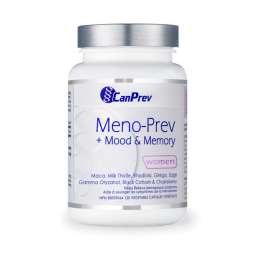
Meno-Prev + Mood Memory 120 Vegi Capsules
Product Code : CNP00116
For menopausal and perimenopausal complaints Relieves hot flashes, night sweats and nervous tension Support for mood, memory and libido Includes an equivalent of 3000mg maca per daily dose
-25% IN CART
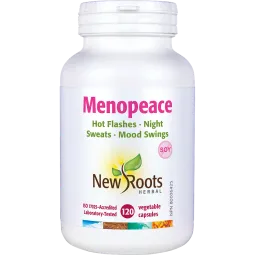
Menopeace 120 Capsules
Product Code : NRT00948
Menopeace helps a woman pass through menopause more smoothly, by helping to ease the hormonal ups and downs that can occur during this period of a woman’s life.
-10% IN CART
- Hidden Deal In Cart
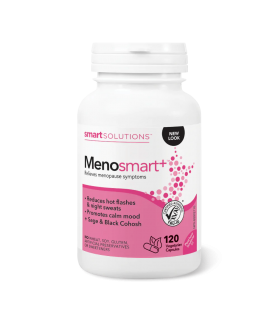
MENOsmart Plus 120 Capsules
Product Code : LON00023
Menosmart+ helps to relieve (or reduce) symptoms associated with menopause, such as hot flashes and night sweats.
- -20%
- -20%
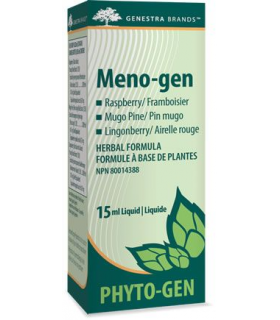
Meno-gen 15 ml
Product Code : GNS12061
Phytoembryotherapy is a branch of phytotherapy that specifically incorporates plant embryological tissues (buds, young shoots, etc.) containing •plant meristem• cells • undifferentiated, fast dividing cells which contain the plant•s genetic blueprint and material. These embryonic tissues are rich...
-25% IN CART
- Hidden Deal In Cart
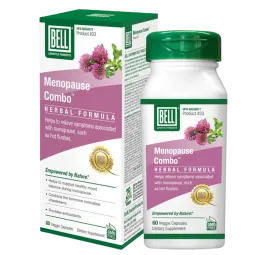
Menopause Combo 60 Veg Capsules
Product Code : BEL10914
Bell Lifestyle's Menopause Combo is an alternative natural remedy that helps regulate the hypothalamus/pituitary axis to support and restore hormonal balance for ideal levels of estrogen, progesterone, testosterone, DHEA and human growth hormone. Ideal for individuals experiencing hot flashes,...
- -10%
- -10%
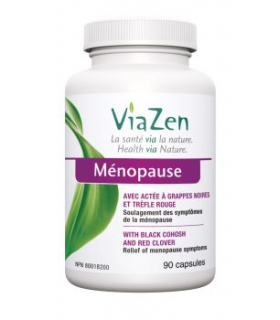
Menopause 90 Capsuels
Product Code : VIA01003
This product has been especially developed to offer a natural support, without side effects, to women whose quality of life is disturbed by menopause discomforts. It can be used as from the moment when the menstrual cycle starts to become irregular with or without the appearance of the other...
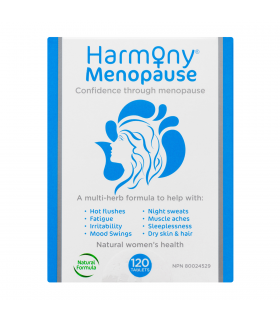
Harmony Menopause 120 Tablets
Product Code : HAR00014
To support women during peri-menopause and menopause Multiherb to relieve multiple symptoms Relives hot flushes Relieves sleeplessness and fatigue