














RSV Symptoms: Recognizing Early Signs and Seeking Effective Solutions
Respiratory Syncytial Virus (RSV) is an acute respiratory infection virus that causes infection in the lungs and respiratory tract and generally causes cold-like symptoms. It is a common virus that can affect people of all ages, but especially children. It can have serious effects on older adults and individuals with weakened immune systems. Almost all children have been infected, most often in the first year of life and by age 4. Because infection does not provide complete immunity, reinfection is common, although it is usually not serious. Symptoms of RSV infection include cough, runny nose, sneezing, and fever. If you suspect you may be infected with RSV, it is important to seek immediate treatment. Severe cases may require hospitalization, and it is important to seek medical attention for proper diagnosis and treatment, especially in infants and people with weakened immune systems. RSV treatment generally focuses on relieving symptoms.
Understanding the Onset of RSV
Identifying Common Symptoms of RSV Infection
Effective Treatment Approaches for RSV
Preventive Measures to Safeguard Against RSV
Natural Remedies to Support Recovery from RSV
Understanding the Onset of RSV
An outbreak of RSV typically begins with a stuffy nose, runny nose, and sore throat. These symptoms usually appear 2 to 8 days after exposure to the virus. Other symptoms may appear later, including coughing, sneezing, wheezing, fever, decreased appetite, and decreased energy. In infants, the infection may cause bronchitis or pneumonia. In some cases, RSV can cause more serious complications, such as bronchiolitis (inflammation of the small airways in the lungs), pneumonia, or respiratory failure. In most cases, RSV symptoms gradually improve after peak severity, with most individuals fully recovering within 1 to 2 weeks. However, recovery time may vary, and the illness may last longer for some people, especially infants or those with weakened immune systems.
RSV spreads easily through the air through infected respiratory droplets or through direct contact with a person infected with the virus. You can prevent RSV infection by washing your hands often, avoiding touching your face, covering your cough or sneeze, and staying away from sick people. There is no vaccine or specific treatment for RSV, but most people recover within one to two weeks through drinking fluids, resting, and taking fever-reducing medications. If you are infected with RSV, you should stay home and limit your contact with others until your symptoms resolve. You should also monitor your symptoms and seek medical attention if they worsen or you have trouble breathing. RSV can be diagnosed using a rapid antigen test or a molecular test (RT-PCR) that detects the virus in a nose or throat swab.
Identifying Common Symptoms of RSV Infection
Symptoms usually appear 2 to 8 days after exposure to the virus and last 5 to 10 days. It is important to note that the severity of symptoms can vary greatly from person to person. In some cases, RSV infection can cause more serious complications, such as pneumonia, bronchitis, or respiratory failure. If you have symptoms of RSV infection, you should stay home and limit your contact with others until you recover. You should also drink plenty of fluids to prevent dehydration, get plenty of rest, and use over-the-counter medications to manage fever and pain. If you have trouble breathing, are dehydrated, have a high fever, or have bluish skin, you should seek medical attention. Common symptoms of RSV infection include:
- Runny or stuffy nose:RSV can cause nasal congestion 3 to 5 days after infection, which may result in a runny or stuffy nose.
- Dry cough:A persistent cough is a characteristic symptom of RSV.
- Fever:As the infection progresses, fever may develop. It is important to monitor body temperature, especially in infants, as high fever can cause complications.
- sneeze:Sneezing is a common symptom in the early stages of RSV infection and is similar to symptoms seen with the common cold.
- Wheezing:Shortness of breath or wheezing, a rapid, wheezing sound, may occur in people with RSV infection, especially infants and young children.
- Difficulty breathing:Breathing may become difficult and apnea (more than 10 seconds) may occur.
- Decreased appetite:RSV infection may cause a person to have a reduced interest in food, resulting in a loss of appetite.
- Lethargy:Fatigue and lethargy are common symptoms, and individuals infected with RSV may appear unusually tired or weak.
Effective Treatment Approaches for RSV
There are no specific antiviral medications or vaccines approved for routine use against RSV, but there are several ways to manage symptoms and prevent complications. For mild symptoms, try home remedies such as rest, drinking fluids, fever reducers, and nasal irrigation. You can use it to relieve symptoms. Humid air helps relieve nasal congestion and improve breathing. Running a cool mist humidifier in the room may help.
More serious cases may require medical treatment such as oxygen, intravenous fluids, antibiotics, or antivirals. Over-the-counter medications such as acetaminophen or ibuprofen may be used to reduce fever and relieve discomfort. However, you should not use aspirin. It is important to follow recommended dosage guidelines and consult with your healthcare professional, especially when treating children. Research into antivirals and vaccines against RSV is ongoing, but none are currently widely adopted for routine use. It is always recommended to consult a healthcare professional for tailored advice and treatment recommendations based on your individual situation.
Preventive Measures to Safeguard Against RSV
Prevention plays a key role in RSV control. Respiratory syncytial virus is spread by contact with secretions of an infected person. You can also become infected when you touch droplets or objects contaminated with the virus and then touch the area around your nose or mouth, or when you come into direct contact with an infected person. Preventing transmission of respiratory syncytial virus (RSV) is critical, especially in populations vulnerable to serious complications, such as infants, the elderly, and individuals with weakened immune systems. Preventive measures to prevent RSV include:
- Wash your hands frequently with soap and water for at least 20 seconds, and if soap and water are not available, use an alcohol-based hand sanitizer.
- Avoid touching your face, especially your eyes, nose, and mouth, with unwashed hands.
- Cover your cough or sneeze with a tissue and throw the tissue in the trash.
- Stay home when you are sick and limit your contact with others.
- Clean and disinfect frequently touched surfaces, such as door handles, countertops, and toys.
- Consider wearing a well-fitting face mask when in public or around sick people.
- If you are pregnant, it is essential to avoid contact with sick people.
- If you have an infant or young child, limit exposure to crowded places.
Natural Remedies to Support Recovery from RSV
RSV is a common respiratory infection that can cause mild to severe symptoms, especially in infants and older adults. There is no specific treatment or vaccine for RSV, but there are several natural remedies that can help aid recovery and relieve discomfort.
- Nutrient intake:Nutrients such as vitamin C and zinc can support the immune system.
- Apple Cider Vinegar:Not only does it help soothe your throat and cough, but it also helps balance your body's pH and strengthens your immune system. You can mix apple cider vinegar and warm water and gargle it, or dilute it with water and honey and drink it.
- Echinacea:This herb may help increase the body's resistance to infection by stimulating the production of white blood cells. Echinacea can be consumed as tea or capsules.
-Elderberry:These berries have antiviral and anti-inflammatory properties that help fight RSV and reduce the severity of symptoms. You can take elderberry as syrup, juice, or capsules.
- Herbal tea:Warm herbal teas such as chamomile or peppermint can help soothe sore throats and provide comfort. You can also add honey for a soothing effect (Note: Honey should not be given to children under 1 year of age).
Source:
1.Respiratory syncytial virus (RSV) - Symptoms & causes - Mayo Clinic. https://www.mayoclinic.org/diseases-conditions/respiratory-syncytial-virus/symptoms-causes/syc-20353098.
2.What Is the First Sign of RSV? A Timeline of RSV Symptoms - Verywell Health. https://www.verywellhealth.com/what-to-know-about-rsv-transmission-and-symptoms-8364840.
3.What is Human respiratory syncytial virus and its possible symptoms, causes, risk and prevention methods?. https://www.msn.com/en-us/health/condition/Human-respiratory-syncytial-virus/hp-Human-respiratory-syncytial-virus?source=conditioncdx.
4.Treating RSV in adults: What to expect - Mayo Clinic Press. https://mcpress.mayoclinic.org/rsv/treating-rsv-in-adults-what-to-expect/.
5.What’s New In the RSV Prevention? RSV vaccines for older adults .... https://www.ebsco.com/blogs/health-notes/whats-new-prevention-respiratory-syncytial-virus-rsv-infection.

Elderberry & Zinc, 30 Lozenges[discontinued]
Product Code : NOW83297
Helps maintain immune function Factors for the maintenance of good health Support for Seasonal Changes Combines Zinc and Elderberry Enhanced with Vitamin C, Propolis and Slippery Elm
- -25%
- Out-of-Stock
- -25%
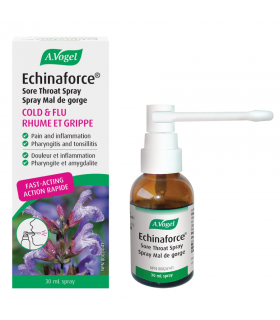
Echinaforce Sore Throat Spray 30 ml
Product Code : AVG02521
Get A. Vogel's exclusive deal BEFORE it's gone! Painful inflammation and infection of the throat such as pharyngitis, tonsillitis, soreness and hoarseness.
- -15%
- -15%
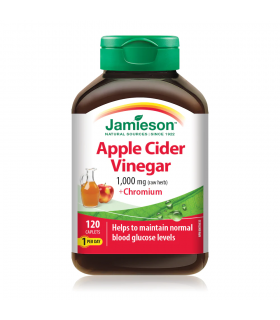
Apple Cider Vinegar with Chromium 120 Caplets
Product Code : JMS07993
Jamieson's Apple Cider Vinegar 1000 mg has been formulated with Chromium, a mineral that helps to metabolize fats and helps to maintain healthy blood sugar (glucose) levels in the body.
- -15%
- -15%
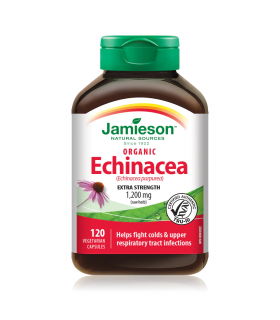
Organic Echinacea (Echinacea purpurea) 1,200 mg 120 Capsules
Product Code : JMS02564
Jamieson Echinacea 1,200 mg is a high potency, organic formula of pure Echinacea purpurea. Echinacea has been used traditionally in herbal medicine to fight off upper respiratory tract infections, relieve cold symptoms, and shorten the duration of colds and flu.
- -15%
- -15%
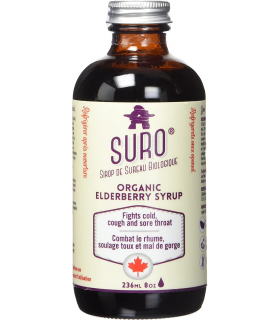
Organic Elderberry Syrup Adult 236 ml
Product Code : SRO46262
Fight colds, flu, cough and sore throat with SURO® syrup. Physician-formulated, each dose of adult syrup contains over 3,000mg of elderberry, has zero water and is fructose-free. Traditionally used in herbal medicine to help fight colds, SORE throat, cough and fever. Consult a health practitioner...
- -30%
- -30%

Fermented Apple Cider Vinegar with Chromium 500 mg/250 mcg 90 Vegetarian Capsules
Product Code : NFT02057
Helps maintain normal blood glucose levels Supports the metabolism of carbohydrates and fats Helps prevent chromium deficiency Aids digestion of dietary fats Provides a source of antioxidants Features organic ACV, fermented with the “Mother”
-15% IN CART
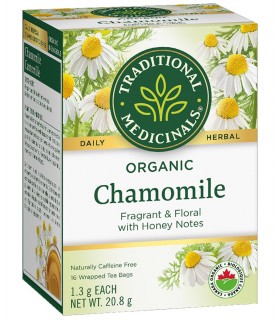
Organic Chamomile 16 Tea Bags
Product Code : TMD00735
Taste Fragrant and floral with honey notes. Plant Story Chamomile is the perfect tea for when you need to take a moment for a well-deserved rest. For this tea, we use chamomile’s prized flowers—the most potent part of the plant due to its high essential oil content. We source some of our...
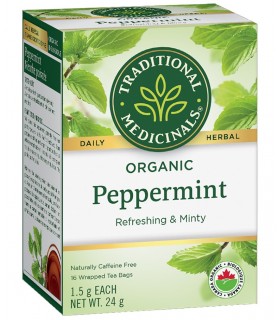
Organic Peppermint Tea 16 Tea Bags
Product Code : TMD00758
Taste Aromatic, refreshing and undeniably minty. Plant Story We source this peppermint primarily from our partner-growers in the Pacific Northwest. Their pristine conditions and organic practices help us achieve a crop that’s rich in essential oils, lending our tea its extraordinary,...