












Say Goodbye to Bed Bugs: Effective and Safe Removal Methods
Bed bugs are small blood-sucking insects that live in furniture, bedding and upholstery and bite people and animals. They are nocturnal pests that typically hide in cracks and crevices during the day and emerge at night to forage, and can live up to a year without food. Bed bugs pierce our skin with their tiny, saw-like mouths and feed on our blood. They are not known to transmit disease, but their bites may itch and develop into a painful rash or infection if left untreated. Bed bugs are tiny insects that hide in the crevices of beds, box springs, headboards, and other objects around the bed, so once they appear, they can be difficult to get rid of.
where do bed bugs come from?
Identifying Early Signs of Infestation
How Heat Treatment Eradicates Bed Bugs
Preventive Measures for Long-Term Protection
Natural Repellents: Essential Oils and Bed Bugs
Professional pest control operators can use a variety of tools to control bed bugs. These include liquid insecticide sprays, aerosol insecticide sprays, steam and heat treatments. Physical methods of controlling bed bugs include steam cleaning, vacuuming, heating, freezing, washing, and throwing away items. You should steam clean before vacuuming. This is because the steam washes away any hidden bed bugs. Heat treatment should be left to professionals.
where do bed bugs come from?
Places where bed bugs are commonly found include hotels, hostels, motels, apartments, dorms, shelters, cruise ships, public transportation (buses, trains, taxis, cars, etc.), and outdoor campsites. It doesn't matter whether your home, hotel, or other place you've stayed is clean or dirty. Bed bugs love people, so they tend to gather in crowded places. Common ways bed bugs can enter your home include:
travel:
Bed bugs are notorious hitchhikers and can easily sneak into people's luggage or bags when they travel. An infestation can occur when a traveler unknowingly brings bed bugs from an infested hotel, hostel, or other accommodation.
Used furniture:
Bed bugs can hide in used furniture, including mattresses, sofas, and chairs. If you purchase used furniture without proper inspection, you may unknowingly introduce bed bugs into your home.
clothes:
Bed bugs can attach to clothing, especially in places where there is an infestation. You can become infected by bringing infected clothes home from a thrift store, a friend's house, or a communal laundry room.
Guests and Visitors:
Visitors who have been in an infested environment may unknowingly bring bed bugs with them. These bugs can be transferred to furniture and belongings.
Multi-family housing:
Bed bugs can easily travel between units in apartment buildings, hotels, or other multi-family housing. If adjacent units are infested, bed bugs can enter living spaces through cracks, electrical outlets, or shared plumbing.
Public places:
Although less frequent, bed bugs can be found on public transportation such as buses and trains. They may enter your home carrying your clothes or bag.
Schools and daycare centers:
Bed bugs can be carried through backpacks, clothing, or other personal items from schools, daycare centers, or other child care facilities.
Identifying Early Signs of Infestation
Detecting a bed bug infestation early is critical for effective and timely intervention. Inspect your living space regularly, especially if you have recently traveled or had guests visiting. Early detection allows for rapid removal, which is important to prevent the spread of infection. If you suspect a bed bug infestation, it is recommended that you seek professional pest control assistance for effective and thorough removal. Here are some common signs that can help you determine if you have bed bugs in your home:
Unexplained itching or discomfort:
If you wake up in the morning with unexplained clusters or glandular bites, or persistent itching, especially around your ankles, this may be a sign of bed bug bites. However, bed bug bites may be caused by other pests or skin diseases. It is important to note that this can be misunderstood.
Black excrement:
Bed bugs excrete digested blood in dark, black spots. You can find these tiny fecal spots on your bedding, mattress, or nearby furniture.
Live bed bugs:
Adult bed bugs are about the size of an apple seed and are reddish-brown in color. Look for live bugs in and around mattresses, box springs, and furniture joints.
How Heat Treatment Eradicates Bed Bugs
People who are concerned about the use of pesticides or chemicals in their living spaces often prefer heat treatment. Heat treatment is an effective way to get rid of bed bugs. Professional pest control services use special equipment to heat infested areas to temperatures that are lethal to bed bugs. Bed bugs die when exposed to high temperatures for long periods of time. Temperatures typically range from 120 to 140 degrees Fahrenheit (49 to 60 degrees Celsius), and temperatures inside your home can reach up to 145°F, which is enough to kill bed bugs. Industrial-sized electric heaters are used for bed bug heat treatment, maintaining high levels of heat to kill all bed bugs.
Bed bug heat treatments are generally only used as a last resort when other, more appropriate methods may be more suitable. One advantage of heat treatment is that it can penetrate deep into furniture, mattresses, and other hiding places where bed bugs may reside. Unlike some chemical treatments, which can make it difficult to reach every hidden spot, heat can reach almost every nook and cranny of the treated area. During the heat treatment process, temperatures are closely monitored to ensure that they are consistently maintained at the desired lethal level. This is usually left on for several hours to kill all life stages of bed bugs, including eggs. One of the advantages of heat treatment is that it usually provides immediate results. Bed bugs exposed to lethal temperatures die quickly, eliminating the need for multiple treatments.
Preventive Measures for Long-Term Protection
Taking preventive measures is essential for long-term protection against bed bugs. Inspect your living space regularly and pay attention to seams, folds and crevices in mattresses, furniture and other hidden places. Seal cracks and crevices in walls and furniture to eliminate places where bed bugs can hide. Prevent bed bugs from invading mattresses, box springs, pillows, etc. by placing them in bed bug-proof cases. Make sure the case is good quality and designed to resist tearing.
Carefully inspect used furniture, clothing, and other used items before bringing them home. This is especially important if the items have been stored or have a history of being in areas with a high risk of bed bug infestation. Clean and organize your living space regularly. Vacuum floors, carpets and furniture regularly and dispose of the vacuum bag in a sealed garbage bag. To kill bed bugs, wash and dry bedding and clothing on high heat. Bed bugs are very difficult to get rid of, so it is important to take preventive measures to prevent future infestations.
Natural Repellents: Essential Oils and Bed Bugs
Treatment of the bite itself is usually limited to antiseptic and antihistamine creams. However, some people prefer natural remedies over chemical treatments. Essential oils derived from plant ingredients have become a popular alternative treatment for bed bug bites and infestations. Thymol, the main active compound in the essential oil thyme, has been shown to overwhelm bed bug nervous systems, making it a promising ingredient in bed bug repellents. Other essential oils clinically proven to repel bed bugs include cinnamon, lemongrass, lavender, eucalyptus, peppermint, tea tree, and thyme. Essential oils may be enough to temporarily repel bed bugs, but it's important to remember that the oil's effectiveness may wear off before the bed bugs are actually killed.
So while essential oils may have some repellent effect, they are generally not a stand-alone solution for exterminating bed bugs. There are over 300 chemicals that are safe to use to combat bed bugs. These include pyrethrins, pyrethroid desiccants and biochemicals. Along with professional treatment, you will need to clean the infested area and kill any bed bugs you find. Using an upholstery attachment, vacuum the mattress and box spring thoroughly, focusing on seams, crevices, and folds. Vacuum under and around the bed, behind the headboard, and around other furniture near the bed where bed bugs may be hiding.
Source:
1.Top 10 essential oils to keep bugs away - One Essential Community. https://oneessentialcommunity.com/essential-oils-repel-bugs-diy-recipes/.
2.How to Get Rid of Bedbugs: A Step-by-Step Guide - Healthline. https://www.healthline.com/health/healthy-home-guide/how-to-get-rid-of-bed-bugs.
3.Bedbugs - Symptoms and causes - Mayo Clinic. https://www.mayoclinic.org/diseases-conditions/bedbugs/symptoms-causes/syc-20370001
4.Where Do Bed Bugs Come From? | Fantastic Pest Control. https://www.fantasticpestcontrol.co.uk/bed-bugs/where-do-bed-bugs-come-from/.
5.Bedbugs: how do I get rid of them? - Canada.ca. https://www.canada.ca/en/health-canada/services/pest-control-tips/bedbugs-how-do-i-get-rid-them.html.
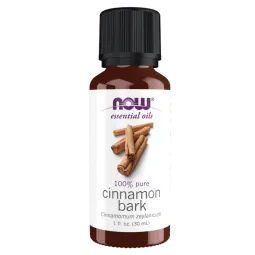
Cinnamon Bark Oil, 30 mL
Product Code : NOW07533
100% pure Cinnamomum zeylanicum
- -25%
- -25%
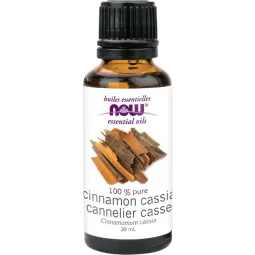
Cinnamon Cassia Oil, 30 mL
Product Code : NOW87530
100% pure Cinnamomum cassia
- -25%
- -25%
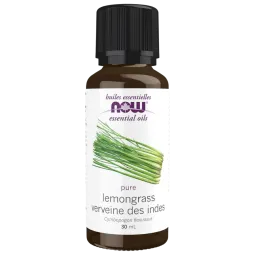
Lemongrass Oil, 30 mL
Product Code : NOW87582
100% pure Cymbopogon flexuosus
- -25%
- -25%
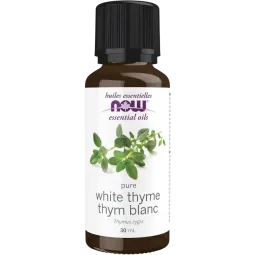
White Thyme Oil, 30 mL
Product Code : NOW87635
100% pure Thymus vulgaris/zygis
- -25%
- -25%

Lavender Essential Oil 100% Pure 15 ml
Product Code : NRT02139
Our 100% pure, European-sourced lavender oil delivers the signature scent which calms the anxious mind and soothes the soul to benefit sleep hygiene.
-10% IN CART
- Hidden Deal In Cart

Tea Tree Oil 100 mL
Product Code : SFR00585
Tea Tree Oil is an ideal topical antiseptic and first aid remedy for the relief of external infections such as fungus (nail), staph, ringworm, acne and herpes, as well as oral and vaginal infections
-5% IN CART
- Out-of-Stock
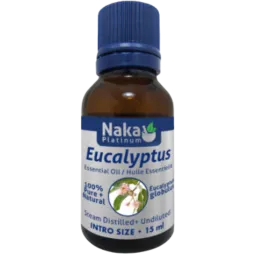
Platinum Eucalyptus Oil 15mL
Product Code : NKA74726
Undilluted 100% Pure Eucalyptus Oil Menthol, Woody, Scent Steam Distilled Antibacterial And Antiviral Properties Supports Respiratory Health
- -15%
- -15%
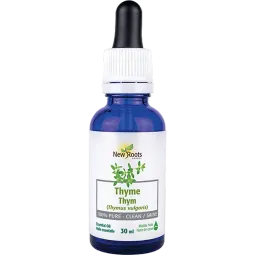
Thyme Essential Oil 30 mL
Product Code : NRT03212
Herbal and pleasant—elevates and revitalizes energy levels 100% pure and clean, unadulterated, free from synthetic fragrances or additives Guaranteed authenticity: Contains only the essential oil of Thymus vulgaris, obtained through steam distillation of its flowering tops
-10% IN CART
- Hidden Deal In Cart
Leave a comment