








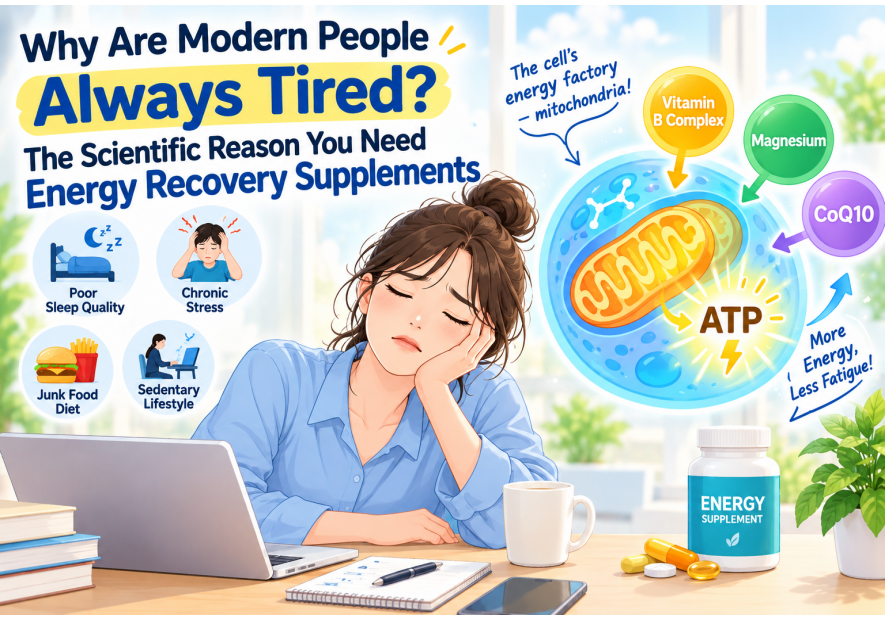

Spring Allergy Relief: Tips and Supplements for Healthy Breathing
Spring is a painful season for people with weak respiratory systems, with pollen flying along with yellow dust and fine dust. In particular, during the change of seasons when the daily temperature difference is large, immunity decreases as the body adapts to seasonal changes, and in dry weather, mucous membranes such as the nose and tonsils dry out, allowing bacteria and viruses to penetrate, increasing the number of patients with respiratory diseases such as allergic rhinitis and asthma. Although “seasonal rhinitis” can make life uncomfortable for many people, here are some strategies and supplements that can help relieve your symptoms and promote healthy breathing.
Seasonal Transitions and Allergies
Symptoms and Treatment Methods for Allergies
Healthy Habits and Tips for Allergy Relief
Foods for Alleviating Spring Allergies
Effective Supplements for Allergy Relief
Seasonal Transitions and Allergies
Pollen from trees, grasses, and weeds is a common trigger for seasonal allergies, also known as hay fever or allergic rhinitis. Seasonal transitions, especially from winter to spring, can increase allergy symptoms for many people. This is because during the transition from winter to spring, pollen levels increase as plants begin to bloom and trees begin to produce new leaves. In allergy-sensitive individuals, it causes symptoms such as sneezing, stuffy nose, runny nose, and itchy eyes.
While outdoor allergens like pollen are prevalent during the change of seasons, indoor allergens like dust mites, pet dander, and mold can also cause allergy symptoms year-round. As people increasingly spend more time indoors, exposure to indoor allergens may increase. Changes in seasons can trigger allergic asthma attacks in people with asthma. Pollen, mold spores, and other allergens can irritate the airways, causing wheezing, coughing, chest tightness, and shortness of breath.
Symptoms and Treatment Methods for Allergies
Allergies can manifest themselves in a variety of ways and can affect different parts of the body. Sneezing is a common symptom of allergies, especially when triggered by allergens such as pollen, dust, or pet dander. Allergic rhinitis, commonly known as hay fever, can cause a runny or stuffy nose due to inflammation of the nasal passages. Allergies can cause red, itchy, and watery eyes, often called allergic conjunctivitis. In individuals with allergic asthma, exposure to allergens may cause wheezing, chest tightness, and difficulty breathing. Allergic reactions involving the skin can cause skin symptoms such as rashes, hives, or eczema.
If your allergy symptoms are severe or persistent, you should avoid exposure to the allergen that triggers your symptoms. And consult your healthcare professional for appropriate diagnosis and treatment recommendations. They may recommend allergy testing to identify specific triggers and prescribe medication or allergy shots for long-term relief. Allergy treatment can be done in a variety of ways, depending on the symptoms shown below.
Antihistamines: These medications relieve symptoms such as sneezing, itching, and runny nose by blocking the action of histamine, a chemical released during an allergic reaction.
Decongestants: Decongestants can relieve nasal congestion by constricting blood vessels in the nose, but should be used cautiously for short periods of time to avoid rebound congestion.
Nasal corticosteroids: These nasal sprays can reduce inflammation in the nasal passages and effectively treat symptoms such as stuffy nose, runny nose, and sneezing.
Combination medications: Some allergy medications combine antihistamines and decongestants for broader symptom relief.
Allergy shots (immunotherapy): Allergy shots involve regular injections of extracts of allergens to desensitize the immune system and reduce allergic reactions over time.
Nasal irrigation: Rinsing your nose with saline solution or using a spray can help flush allergens from your nasal passages and relieve nasal congestion.
Healthy Habits and Tips for Allergy Relief
Maintaining healthy habits and practicing certain practices can help alleviate allergy symptoms and promote overall well-being. Here are some tips for allergy relief:
Close windows: On days when pollen levels are high, keep windows and doors closed to prevent allergens from entering your home.
Use an air purifier: Consider using an air purifier in your home equipped with a High-Efficiency Particulate Air (HEPA) filter to filter out allergens and improve indoor air quality.
Clean regularly: Clean your home regularly to remove dust, pet dander, and other allergens. Use a vacuum cleaner with a HEPA filter, and wash bedding and curtains often.
Nasal irrigation: Rinse your nose with saline solution or use a spray to flush allergens from your nasal passages and relieve congestion.
Shower and change clothes: After spending time outdoors, shower and change into clean clothes to remove pollen and other allergens from your skin and hair.
Limit alcohol: Alcohol can worsen allergy symptoms in some individuals, so it is recommended to limit alcohol intake during allergy season.
Wear sunglasses and a hat: Wearing sunglasses and a hat when spending time outdoors helps protect your eyes and face from pollen and other allergens.
Foods for Alleviating Spring Allergies
Although no specific food can cure allergies, certain nutrients and foods may help relieve symptoms or support the immune system's response to allergens. Quercetin is a flavonoid with anti-inflammatory and antihistamine properties that can help reduce allergy symptoms. may help reduce . Foods rich in quercetin include apples, onions, citrus fruits, strawberries, grapes, capers, and leafy greens such as spinach and kale.
Probiotics are beneficial bacteria that help support gut health and regulate the immune system, potentially reducing allergy symptoms. Foods rich in probiotics include yogurt, kefir, sauerkraut, kimchi, soybean paste, and kombucha. Vitamin C is an antioxidant that helps reduce inflammation and support immune function. Eating foods rich in vitamin C has been shown to strengthen your immune system and prevent you from catching colds. However, vitamin C may also reduce allergic rhinitis. Foods rich in vitamin C include citrus fruits (oranges, lemons, grapefruit), strawberries, kiwi, green peppers, and broccoli.
Eat plenty of fresh green vegetables during spring. Rich in vitamins, minerals and antioxidants, they can boost immunity and reduce inflammation. In addition, green tea contains catechins, which have antioxidant and anti-inflammatory properties that may help relieve allergy symptoms. Ginger may be anti-inflammatory and help boost the immune system, which can help reduce allergy symptoms naturally. Onions and garlic, which have antibacterial and anti-inflammatory effects, can boost immunity and relieve allergy symptoms.
Effective Supplements for Allergy Relief
Quercetin: Quercetin may relieve allergy symptoms by inhibiting the release of histamine, a chemical that causes inflammation, and by regulating the immune system's response. You can take it with vitamin C to increase its effectiveness.
Bromelain: Bromelain is an enzyme found in pineapple that may help reduce inflammation and relieve sinus congestion associated with allergies. Bromelain may also help aid digestion and strengthen the immune system.
N-Acetylcysteine (NAC): NAC may help relieve allergy symptoms by reducing mucus production and thinning mucus secretions. Because NAC may support a healthy immune system and proper inflammation management, it can be used in conjunction with other traditional methods involved in allergy management.
Vitamin C: Vitamin C strengthens immunity, reduces inflammation, and inhibits the secretion of histamine, thereby reducing nasal swelling and secretion of runny nose.
Probiotics: By regulating the balance of microorganisms in the gut, they may help strengthen the immune system and reduce allergic reactions.
Omega-3 fatty acids: May help relieve allergy symptoms by reducing inflammation and regulating the immune system.
Source:
1.Spring Allergy Fixes: Medicine, Herbs, Allergy-Proofing Your Home - WebMD.
https://www.webmd.com/allergies/features/5-ways-to-beat-spring-allergies.
2.Seasonal allergies: Nip them in the bud - Mayo Clinic. https://www.mayoclinic.org/diseases-conditions/hay-fever/in-depth/seasonal-allergies/art-20048343.
3.Best Cough Relief Tips For Spring Allergies - All Things Heal. https://www.allthingshealth.com/en-us/general-health/respiratory-health/spring-allergies/.
4.What is the best way to treat allergies?.
https://microsoftstart.msn.com/en-ca/health/ask-professionals/in-expert-answers-on-allergy/in-allergy?
5.Allergy Treatment Options: Home Remedies, Lifestyle, Drugs. https://www.verywellhealth.com/allergy-treatment-7565547.
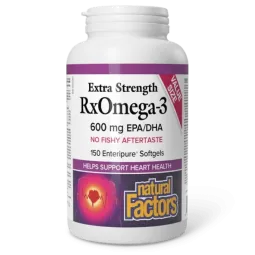
RxOmega-3 - Extra Strength 600 mg, 150 Enteripure Softgels
Product Code : NFT08354
Helps support cardiovascular health and reduce serum triglycerides Helps support cognitive health and brain function Helps promote healthy mood balance Pharmaceutical grade: Provides high potencies of omega-3 fatty acids Molecularly distilled: Removes impurities like mercury and PCBs...
- -20%
- -20%
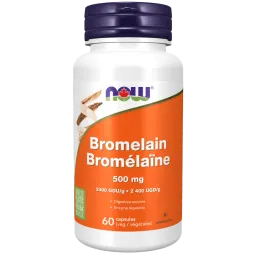
Bromelain 500 mg, 60 Veg Capsules
Product Code : NOW82943
Digestive Enzyme High potency - 2400 GDU/g Vegetarian/Vegan
- -25%
- -25%
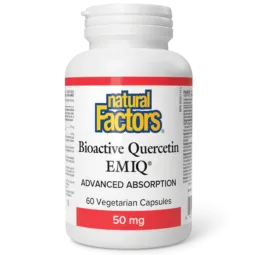
Bioactive Quercetin EMIQ 50 mg, 60 Vegetarian Capsules
Product Code : NFT01381
Helps in connective tissue formation and wound healing An antioxidant for the maintenance of good health Helps in the development and maintenance of bones, cartilage, teeth, and gums Helps the body to metabolize fats and proteins
- -15%
- -15%
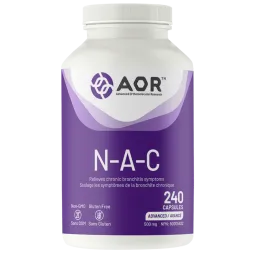
N-A-C, 240 Capsules
Product Code : AOR04428
Relieves chronic bronchitis symptoms N-acetyl-l-cysteine (NAC) at 500 mg per capsule Promotes respiratory health
-10% IN CART
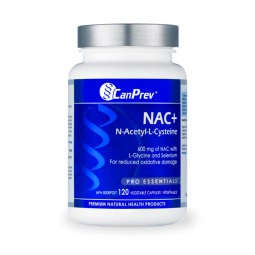
NAC+ N-Acetyl-L-Cysteine 120 Vegi Capsules
Product Code : CNP50196
For cellular protection against free radical damage 600 mg of N-Acetyl-L-Cysteine Plus L-Glycine and selenium for added cellular support
-25% IN CART
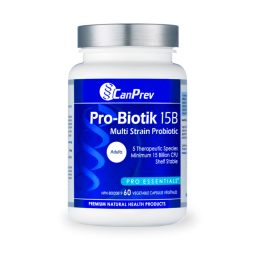
Pro-Biotik 15B 60 Vegi Capsules
Product Code : CNP00144
Helps restore natural gut flora Shelf stable with a minimum 15 Billion CFU 5 critical, balanced, therapeutic species Contains bacteria naturally found in the human GI tract
-20% IN CART
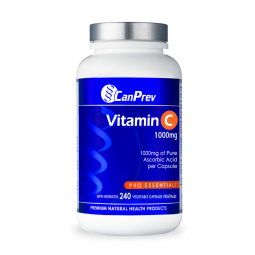
Vitamin C 1000mg 240 Vegi Capsules
Product Code : CNP50182
16An antioxidant for the maintenance of good health. It helps to prevent vitamin C deficiency and metabolize fats and protein It helps in wound healing, connective tissue formation, and the development of bones, cartilage, teeth, and gums.
-25% IN CART
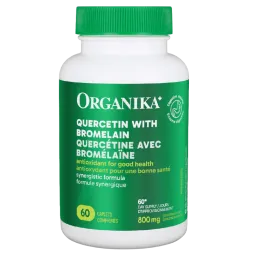
Quercetin With Bromelain 60 Caplets
Product Code : ORG02560
Quercetin, an antioxidant widely found in plant foods, has been studied particularly for its antihistamine and antiviral properties. Bromelain, when in combination with quercetin, helps to improve its absorption.
-10% IN CART
- Out-of-Stock
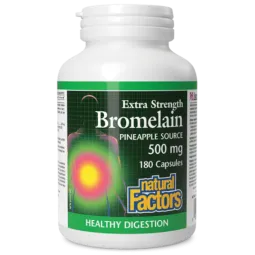
Extra Strength Bromelain 500 mg, 180 Capsules
Product Code : NFT01736
Digestive enzyme Supports digestion
- -20%
- -20%

Ultimate Multi Probiotic 12 Billion Live Probiotic Cultures, 120 Vegetarian Capsules
Product Code : NFT01848
Helps support intestinal health Could promote a favourable gut flora Source of probiotics, a balanced blend of Lactobacillus and Bifidobacterium to support the small and large intestines
-25% IN CART
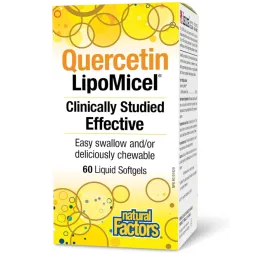
Quercetin LipoMicel 60 Softgels
Product Code : NFT01378
Provides a source of antioxidants Used in herbal medicine as a blood vessel protectant
-30% IN CART
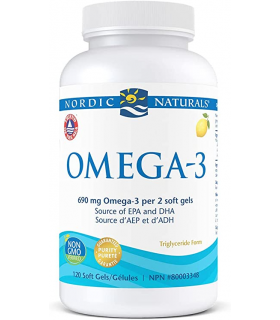
Omega 3, Lemon 120 Softgels
Product Code : NRD72760
Nordic Naturals Omega-3 offers 690 mg of omega-3 per serving, surpassing the expert-recommended dose of 500 mg per day. Adequate omega-3 intake is essential to support good nutrition and overall well-being, including healthy heart and brain function, as well as mood, cognition, and immunity.
-5% IN CART
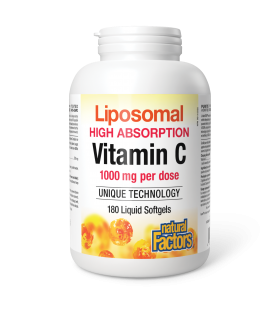
Liposomal Vitamin C 1000 mg 180 Liquid Softgels
Product Code : NFT01320
Help support immune function Helps in wound healing Helps in collagen formation to maintain healthy bones, cartilage, teeth, and gums Helps prevent vitamin C deficiency An antioxidant for good health
-20% IN CART
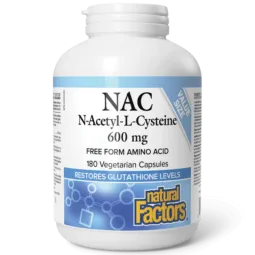
N-Acetyl-L-Cysteine 600 mg 180 Veg Capsules
Product Code : NFT08003
Provides a source of antioxidants Helps to reduce the severity and frequency of influenza-like symptoms in adults over 65 Helps to reduce the severity and frequency of influenza-like symptoms in people with chronic degenerative diseases
- -20%
- -20%

rTG Omega3 120SG
Product Code : INN61281
rTG Omega-3 stands out as a top-tier dietary supplement, celebrated for its outstanding quality and health advantages. Harvested from pristine marine environments, our rTG Omega-3 undergoes rigorous purification processes, ensuring a supplement of pure and premium quality.

- -20%
- -20%

Ultimate Flora Extra Care 50 Billion BONUS SIZE Shelf Stable 72 VCaps
Product Code : REN02156
No refrigeration required DAILY DIGESTIVE WELLNESS: Helps support digestive health and helps reduce the frequency of constipation, flatulence and abdominal pain A formula containing world-class strains backed by science Includes the #1 most-studied strain* Quality, purity and potency...
- Out-of-Stock