





The Health Benefits of Red Yeast Rice and Proper Consumption Methods
As the number of people interested in health increases, the types of rice with added functionality are also becoming more diverse. In general, there are several types such as high-protein rice, low-carbohydrate rice, nutritionally enhanced rice, and red yeast rice. As of April 7, 2024, a total of 212 people have been hospitalized and 5 people have died in Japan due to the recent outbreak of kidney disease in people who took health functional foods containing red yeast and 'red yeast' from Japan's Kobayashi Pharmaceutical. And people are reporting health damage all over the country one after another. The health foods that triggered this scandal are three types, including ‘Red Yeast Cholesterol Help’, which are health foods with cholesterol-decomposing effects. This product is so popular that over 1.1 million units have been sold so far since sales began in 2021. This product is not exported overseas, so the risk does not appear to have spread overseas, but caution should be taken when purchasing directly from overseas. Learn about the health benefits of red yeast rice and how to consume it safely.
Introduction to Red Yeast Rice
The Health Benefits of Red Yeast Rice
Consumption Methods, Precautions and Potential Risks
Combining Red Yeast Rice with Other Health Supplements
Criteria for Selecting Safe Red Yeast Rice Supplements
Introduction to Red Yeast Rice
Red yeast rice is made by inoculating regular rice with a fungus called Monascus purpureus and fermenting it for 15 to 30 days, giving it a unique red color. Red Yeast Rice is known to have been consumed as an imperial food by the Yuan Dynasty of China's Han Dynasty, and has been consumed for centuries in East Asia, including Japan and Taiwan, as a food preservative and medicinal ingredient. Red yeast rice contains various vitamins, minerals, dietary fiber, and protein through the fermentation process, which is very helpful for health. It also contains active substances such as amino acids, polyphenols, and lactoferrin, which are effective in antioxidant activity and strengthening immunity. In some countries, red yeast rice is available as a dietary supplement and is often marketed for its cholesterol-lowering effects.
The Health Benefits of Red Yeast Rice
Red yeast rice is known to help reduce cholesterol and has effects on blood pressure, blood sugar, and antioxidants, mainly due to its active compound known as monacolin.
Cholesterol Management:
The main functionality of red yeast rice lies in the Monacolin K component produced during the fermentation process of red yeast bacteria. In particular, monacolin K inhibits enzymes involved in cholesterol synthesis in the liver. Cholesterol is biosynthesized in the liver, except for about 1/3 of what is consumed through food. Monacolin K reduces cholesterol levels in the body by inhibiting the activity of enzymes involved in the process of cholesterol biosynthesis in the liver.
Heart Health:
Red yeast rice may help improve heart health by lowering LDL cholesterol levels and reduce the risk of cardiovascular diseases such as coronary artery disease, heart attack, and stroke. Lowering LDL cholesterol is a key factor in preventing plaque buildup in your arteries. Through several research results, it is known that red yeast rice is effective in reducing LDL cholesterol by 15-25% when consumed for about 8 weeks.
Antioxidant:
Red yeast rice contains compounds with antioxidant properties, such as flavonoids and polyphenols. Antioxidants help neutralize harmful free radicals in the body, reducing oxidative stress and inflammation, potentially benefiting overall health and reducing the risk of chronic disease.
Blood sugar control:
Some studies suggest that red yeast rice may help improve insulin sensitivity and regulate blood sugar levels, but more research is needed in this area.
Digestive Health:
In Oriental medicine, red yeast rice is used to support healthy digestion and relieve indigestion. It can maintain a healthy intestinal environment and aid digestion.
Consumption Methods, Precautions and Potential Risks
How to consume:
Red yeast rice is recognized for its various functions and is sold on the market as a nutritional supplement, food jelly, and bread. Red yeast rice is often added to dishes for its unique red color and mild sweet taste. If you want to effectively experience the various functions of red yeast rice, taking it as a nutritional supplement is a good idea. It is available in capsule, tablet, or powder form and dosage recommendations are provided on the product label. It is important to follow the recommended dosage and usage instructions provided by the manufacturer or healthcare provider.
caution:
The quality and safety of red yeast rice supplements may vary depending on the product and brand. Some supplements may contain inconsistent levels of active compounds or contaminants. Choosing supplements from reputable manufacturers that adhere to good manufacturing practices (GMP) can help minimize the risk of contamination and ensure product quality. If you have a pre-existing health condition, it is important to consult a healthcare professional before using red yeast supplements. It is especially important to tell your healthcare provider about all medications and supplements you are taking to avoid potential interactions. Red yeast rice supplements are not recommended for pregnant women, children, and adolescents. This is because safety and efficacy have not been established in this age group.
Potential hazards:
Some people may experience muscle pain as a side effect of red yeast rice, especially at high doses. These side effects are more likely to occur at higher doses or in individuals with muscle problems. Although rare, some cases of liver toxicity have been reported in individuals using red yeast supplements. Monitoring liver function and discontinuing use if signs of liver damage appear are essential precautions. Red yeast rice may interact with a variety of medications, including statins, blood thinners, certain antifungal medications, and immunosuppressants. These interactions may enhance the effects of the drug or increase the risk of side effects.
Combining Red Yeast Rice with Other Health Supplements
Combining red yeast rice with other dietary supplements may provide synergistic benefits for certain individuals, but should be approached with caution as the risk of potential interactions and side effects may increase. If you have any concerns, it is important to talk to your health care provider, such as your doctor or pharmacist. Combining red yeast with other cholesterol-lowering supplements, such as plant sterols or stanols, can enhance their effects on cholesterol levels. Although this combination may be beneficial for some individuals, it is important to monitor cholesterol levels closely and adjust the dosage as needed under the guidance of a healthcare professional. Red yeast rice contains compounds with antioxidant properties, and combining it with other antioxidant supplements such as vitamin C, vitamin E, or coenzyme Q10 can provide additional antioxidant benefits. However, it is important to consider potential interactions and avoid excessive dosages, especially in individuals with certain health conditions or risk factors.
Criteria for Selecting Safe Red Yeast Rice Supplements
Choosing a safe red yeast rice supplement requires careful consideration of several factors to ensure quality, efficacy, and safety. Some criteria to consider are:
Quality of Manufacturer: Choose supplements from good manufacturers with a track record of producing high-quality products. Choose a company that adheres to Good Manufacturing Practices (GMP) and has third-party certification that verifies product quality and purity.
Monacolin K: Monacolin is the active compound in red yeast rice that is responsible for its cholesterol-lowering effects. Check the label for monacolin K content. A typical dosage contains approximately 2 mg to 7 mg of monacolin K per serving. Be cautious if a product lists excessively high levels of monacolin K.
Transparency and Labeling: Choose supplements with clear, transparent labels that provide detailed information about ingredients, dosage, serving sizes, and directions for use. Avoid products with vague or misleading claims, and be wary of supplements that make exaggerated health claims without scientific evidence to support them.
Unnecessary additives: Check the ingredient list for unnecessary additives, fillers, or artificial ingredients that may compromise the purity and quality of the supplement. Look for supplements with minimal added ingredients and avoid those containing potentially harmful additives, such as artificial colors, flavors, and preservatives.
Customer reviews and feedback: Read customer reviews and feedback to gauge effectiveness and user experience. Look for reviews from reputable sources or verified buyers to better understand product performance and any potential problems or concerns.
Source:
1.What Is Red Yeast Rice? - A Comprehensive Guide - DeliFo.
https://delifo.net/what-is-red-yeast-rice/.
2.Red yeast rice - Mayo Clinic.
https://www.mayoclinic.org/drugs-supplements-red-yeast-rice/art-20363074.
3.Red Yeast Rice: Everything You Need to Know - Verywell Health.
https://www.verywellhealth.com/red-yeast-rice-everything-you-need-to-know-7559306.
4.What is Red Yeast Rice? Journal Of Nutrition.
https://journalofnutrition.org/encyclopedia/what-is-red-yeast-rice/.
5.en.wikipedia.org.
https://en.wikipedia.org/wiki/Red_yeast_rice.
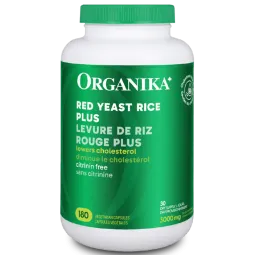
Red Yeast Rice 180 Capsules
Product Code : ORG01656
Maintain healthy cholesterol levels naturally. A fermented rice product, red yeast rice contains the natural chemical monocolin K, identical to statin drugs. Added plant sterols decrease cholesterol absorption, allowing the two to work synergistically to help lower total and LDL cholesterol in...
-10% IN CART
- Out-of-Stock

Red Yeast Rice 300 mg 60 Vegi Capsules
Product Code : INO10216
Helps promote healthy cholesterol levels. Red yeast rice (RYR) has long been used for cholesterol reduction. Helps lower cholesterol naturally. Contains CoQ10(ubiquinol) and vitamin D3. Includes other natural cholesterol reducing ingredients including Phytosterols, soy-free Lecithin and...
- Out-of-Stock

Red Yeast Rice Policosanol 60 Vegi Capsules
Product Code : NTD10346
Nutridom Red Yeast Rice Policosanol helps maintain healthy cholesterol levels.
- Out-of-Stock
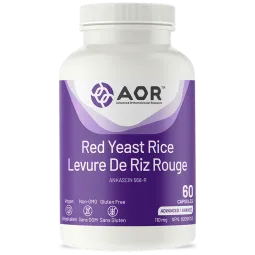
Red Yeast Rice 60 Capsules
Product Code : AOR04415
A fermented yeast extract with antioxidants for heart health Provides antioxidant pigments monascin and ankaflavin Free from monacolin K and toxic citrinin No statin-associated side effects
-10% IN CART
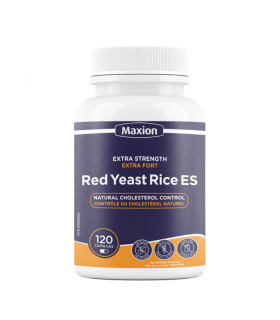
Maxion Red Yeast Rice Extra Strength 120 Caps
Product Code : MXI00178
Red yeast rice has been used in China for more than 1,000 years for medicinal purposes such as improving circulation and digestion and lowering cholesterol. Maxion Nutrition’s Red Yeast Rice includes a scientifically formulated combination of choline, lecithin, policosanol, and phytosterols,...
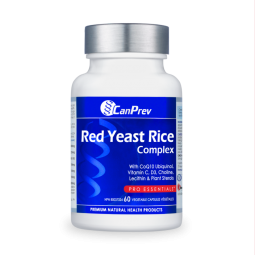
Red Yeast Rice Complex 60 v-caps
Product Code : CNP50324
Features 300mg of red yeast rice With added CoQ10 ubiquinol, vitamin C, D3, plus choline, lecithin & plant sterols Provides key nutrient support for cellular and cardiovascular health
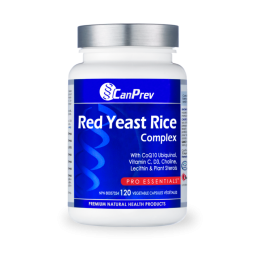
Red Yeast Rice Complex 120 v-caps
Product Code : CNP50325
Features 300mg of red yeast rice With added CoQ10 ubiquinol, vitamin C, D3, plus choline, lecithin & plant sterols Provides key nutrient support for cellular and cardiovascular health
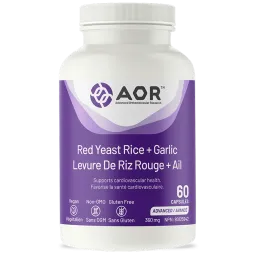
Red Yeast Rice + Garlic 60caps
Product Code : AOR04481
Supports cardiovascular health Helps reduce elevated blood lipid levels Helps maintain multiple aspects of cardiovascular health Statin and mycotoxin-free red yeast rice extract
-10% IN CART
- Out-of-Stock
Leave a comment