













The Uninvited Guest - Causes and Solutions for Indigestion
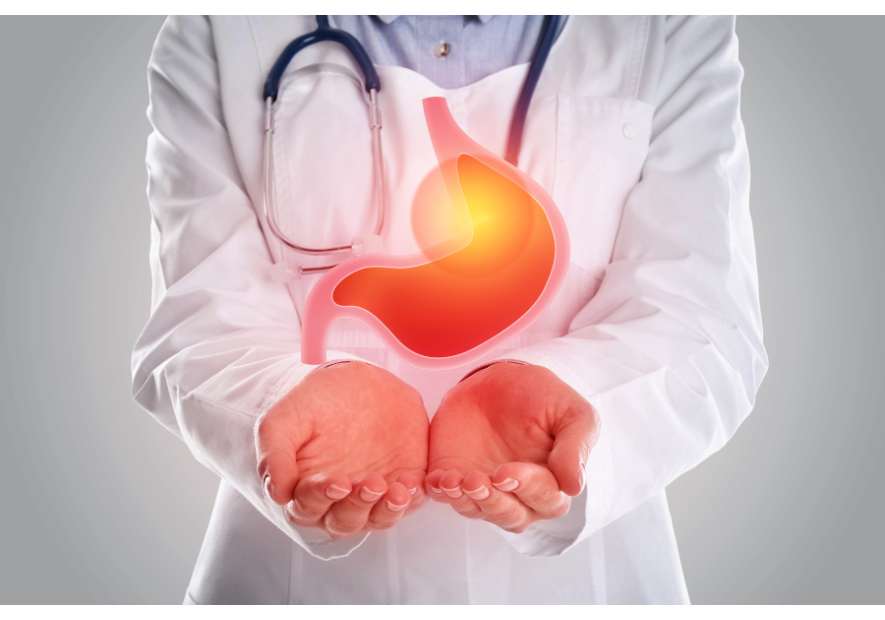
The number of patients with indigestion is steadily increasing. It is a disease that is increasing due to irregular eating habits and stress of modern people. In particular, the ratio of female patients is higher than that of male patients, and by age, it is mostly seen in middle-aged people over 50 years old. Indigestion symptoms that make the stomach feel bloated and bitter are experienced by everyone in modern times. If you have an upset stomach without any particular health problems, it may be due to stress. Indigestion occurs when there is a problem in any of the organs that control digestion, such as the mouth, esophagus, stomach, duodenum, small intestine, and large intestine. Let's learn about the causes, symptoms, and treatment methods of indigestion.
Common Symptoms of Indigestion
Common Causes of Indigestion
The Role and Importance of Enzymes
Utilization of Grain Enzymes and Plant Enzymes
Remedies for Indigestion
Common Symptoms of Indigestion
Indigestion is a general term for digestive symptoms that occur after eating food. Indigestion refers to all discomfort and symptoms that occur due to various causes in the digestive system, including stomach and liver-biliary tract diseases. Indigestion includes not only symptoms of indigestion after eating food, but also all digestive symptoms such as fullness after eating, loss of appetite, abdominal bloating, early satiety, belching, upper abdominal discomfort or pain, heartburn, nausea, vomiting, acid reflux, and heartburn. Since indigestion is usually vague and causes mild discomfort, many patients do not seek medical treatment until they have suffered from indigestion for a long time (or temporarily). Often, indigestion is felt suddenly and more noticeably (acutely).
Common Causes of Indigestion
The causes of indigestion are many, including digestive diseases, heart diseases, and mental illnesses. Indigestion can be caused by diseases related to the digestive system, such as pancreatitis, gallbladder disease, stomach cancer, gastroesophageal reflux disease (GERD), and chronic appendicitis, or diseases outside the digestive system, such as anemia, pulmonary tuberculosis, heart failure, gallstones, and urinary tract infections. Antibiotics, painkillers, and iron supplements can cause digestive problems.
Indigestion can occur due to poor eating habits, such as irregular eating habits, eating too much at one time, or eating too quickly, when food does not pass through enough digestive enzymes. Enzyme deficiency can impair digestion and metabolism, and when enzymes do not effectively break down food, symptoms of indigestion, such as gas, abdominal bloating, and stomach cramps, can occur. Excessive consumption of fatty or spicy foods, chocolate, or carbonated drinks can cause indigestion. Excessive smoking, excessive consumption of coffee or alcohol, and sensitivity to certain foods can all cause indigestion, while lack of physical activity, irregular bowel habits, and various stresses in daily life can also be causes.
The Role and Importance of Enzymes
Enzymes speed up and efficiently carry out complex chemical reactions, and they help break down food into absorbable forms, increasing the efficiency of nutrient absorption so that the body can receive the energy it needs. Without enzymes, most biochemical reactions would be too slow to sustain life. Enzymes make life-sustaining reactions possible and efficient. Enzymes are used in a variety of industries, including food production (e.g., brewing, cheesemaking) and medicine (e.g., enzyme replacement therapy). Enzymes are central to many advances in biotechnology (e.g., DNA cloning, PCR), including genetic engineering, drug development, and synthetic biology.
Proper enzyme function is essential to good health. Enzymes in the liver (e.g., cytochrome P450) metabolize drugs, toxins, and foreign substances. Enzymes such as thrombin and fibrinogen are involved in blood clot formation. Enzymes such as DNA polymerase and lipase are important for DNA replication and repair, ensuring that genetic information is accurately copied and maintained. Digestive enzymes, such as amylase and protease, break down carbohydrates, proteins, and fats into smaller molecules that the body can absorb. Enzyme deficiencies or malfunctions can lead to metabolic disorders and diseases. For example, lactose intolerance is caused by a deficiency of the enzyme lactase. As we age, our enzyme production may decrease. Processed foods or a diet low in fiber can decrease our natural production of enzymes. Certain diseases or health conditions can also reduce enzyme production. Enzyme supplements can help replace missing digestive enzymes, which can help improve digestion and relieve symptoms of indigestion.
Utilization of Grain Enzymes and Plant Enzymes
Grain enzymes are mainly enzymes extracted from grains, while plant enzymes are mainly enzymes extracted from plants such as fruits and vegetables. They play an essential role in various industries due to their ability to efficiently promote specific biochemical reactions.
1. Grain enzymes
Bakery industry:
Amylase breaks down starch into sugars, improving dough handling and fermentation, and enhancing the volume and texture of bread. Protease modifies gluten proteins, improving dough extensibility and making it easier to process and shape. Lipase is a digestive enzyme that breaks down neutral fats, improving dough stability.
Brewing industry:
Amylase converts starch in grains into fermentable sugars, which are essential for alcohol production. Protease breaks down proteins that can cause cloudiness in beer, improving clarity and stability, and improving taste.
Biofuel production:
Amylase converts starch into fermentable sugars, which are then fermented to produce ethanol.
Nutritional supplements:
Cereal enzymes such as amylase, protease, lipase, and lactase are used as nutritional supplements to improve digestion and aid in nutrient absorption.
2. Plant-based enzymes
Food and beverage industry:
When preserving or cooking fruits and vegetables, plant-based enzymes can be used to improve the flavor and texture of the food. Papain and bromelain are used to tenderize meat. Pectinase helps to break down pectin in fruits, which helps to extract and refine juice. Cellulase helps to extract and refine fruit and vegetable juice.
Medicines and health functional foods:
Papain from papaya, bromelain from pineapple, etc. are protein-decomposing enzymes that promote digestion. Bromelain enzymes have anti-inflammatory effects, which help reduce inflammation. Plant-based enzymes are used to exfoliate the skin and promote cell regeneration. For example, papain is effective in exfoliating the skin.
Agriculture: Enzyme-based biofertilizers improve soil health and promote plant growth by breaking down organic matter into nutrients that plants can more easily absorb. Certain plant enzymes can be used to protect crops by breaking down insect exoskeletons or by interfering with pest digestion.
Remedies for Indigestion
There are many ways to effectively treat and manage indigestion. Since indigestion can have different causes and symptoms for each individual, it is important to try different methods to find what works best for you. Below are some ways to help relieve and prevent indigestion:
Lifestyle changes:
Eating smaller, more frequent meals can help reduce the burden on your digestive system, and taking the time to eat and chew your food well can help with digestion. You should chew your food about 30 times to help digestion start from the mouth. Saliva is normally secreted at a rate of 0.25 to 0.35 mL per minute, but if you chew your food for a long time, up to 4 mL is produced. Identify and avoid foods that trigger your symptoms, such as spicy, fatty, acidic foods, caffeine, alcohol, and carbonated beverages. Avoid eating 2 to 3 hours before bedtime to give your stomach time to digest food. Eat at regular times to maintain the digestive rhythm. Taking a short walk after a meal can help stimulate digestion. Relaxation techniques such as meditation, yoga, and deep breathing can help reduce stress and prevent indigestion.
Home remedies:
Ginger is effective in aiding digestion and relieving indigestion. Peppermint oil or tea can help relieve indigestion symptoms by relaxing the digestive muscles. Drinking a small amount of apple cider vinegar diluted in water can help regulate stomach acid levels. Chamomile tea can help relax digestive muscles and reduce stress. Choosing the right foods to eat can also help improve indigestion that occurs for no reason. Some foods that help with digestion include plums, cabbage, broccoli, radish, ginger, and pepper.
Medications:
Antacids, such as Tums and Alka-Seltzer, neutralize stomach acid and provide quick relief. Medications, such as ranitidine (Zantac) or famotidine (Pepcid), reduce stomach acid production. If your indigestion is severe or persistent or accompanied by serious symptoms such as unexplained weight loss, difficulty swallowing, frequent vomiting, or blood in the vomit or stool, it is important to consult a doctor to determine the exact cause and receive appropriate treatment. If you are deficient in digestive enzymes, supplements can help improve your digestive function.
Source:
1. Indigestion - Symptoms and causes - Mayo Clinic.
https://www.mayoclinic.org/diseases-conditions/indigestion/symptoms-causes/syc-20352211.
2. Symptoms & Causes of Indigestion - NIDDK.
https://www.niddk.nih.gov/health-information/digestive-diseases/indigestion-dyspepsia/symptoms-causes.
3. What can cause indigestion?.
https://microsoftstart.msn.com/en-us/health/ask-professionals/in-expert-answers-on-dyspepsia/in-dyspepsia?questionid=e9au6nw5&type=condition&source=bingmainline_conditionqna.
4. ENZYME ACTIVITY OF DIFFERENT CEREALS GROWN USING ORGANIC AND ... - LLU. https://llufb.llu.lv/conference/foodbalt/2011/FOODBALT-
5. 9 Remedies for Fast Indigestion Relief - Verywell Health. https://www.verywellhealth.com/indigestion-relief-options-6385942.

Leave a comment