









Tips for Protecting Skin Health from Harsh UV Rays
Summer is fast approaching in the hot sea water. Lately, to deal with the fact that the night is setting, it is also time to save your precious items from the sun, and it is also time to go against the microorganisms emitted from the sun. Although a definite amount of pathogens can have a positive impact on our health and life, the isolation pathogens field requires proper microbial management that can give skin health a flora. Just as pathogens can darken the skin, they exert chemical action, giving the skin strength, and more. Here's how to keep this kind of culprit from getting your precious skin out of the hospital.
Understanding the Effects of UV Radiation on Skin Health
The Importance of Sunscreen: Choosing the Right SPF
Nutrients and Supplements for UV Protection
Preventing Premature Aging and Skin Cancer with Sun Protection Measures
Post-Sun Care: How to Repair Sun-Damaged Skin
Understanding the Effects of UV Radiation on Skin Health
Understanding how UV rays affect skin health is important to implement effective protective measures. Ultraviolet (UV) rays, mainly from the sun, can have a variety of harmful effects on the skin. Ultraviolet rays that affect the human body include long-wave ultraviolet rays (UVA) and mid-wave ultraviolet rays (UVB). Long-wavelength ultraviolet rays that penetrate deep into the dermal layer of the skin destroy collagen and proteins, increasing wrinkles on the skin, advancing aging, and causing pigmentation such as freckles and freckles. In particular, special caution is needed during this time before summer, as long-wavelength ultraviolet rays are relatively strong. Mid-wave ultraviolet rays cause direct DNA damage to skin cells and are the main cause of sunburn. It plays an important role in the development of skin cancer.
When the season comes when UV rays become stronger, our skin is also exposed to various diseases. The skin that is attacked by ultraviolet rays produces melanin pigment to protect itself. Pigmentary diseases such as blemishes, freckles, and solar lentigines may occur in areas exposed to strong UV rays, such as the face and arms. Long-wavelength ultraviolet rays that strongly reach the ground penetrate deep into the skin, destroying collagen and causing skin inflammation. Therefore, skin elasticity decreases, skin ages faster, and wrinkles occur. As this skin aging accumulates, skin cancer may occur due to damaged DNA, and the areas where skin cancer actually occurs are areas that have been exposed to sunlight for a long period of time, such as the face and arms.
The Importance of Sunscreen: Choosing the Right SPF
Sunscreen is an essential part of protecting your skin from the harmful effects of UV rays. Regular use of sunscreen can significantly reduce your risk of developing skin cancer, including melanoma, basal cell carcinoma, and squamous cell carcinoma, and helps prevent photoaging. To block UV rays, it is important to select the correct SPF (Sun Protection Factor). When choosing a sunscreen, you should consider your skin type, length of sun exposure, and activity. To maintain optimal protection, you should get a product with broad-spectrum protection and reuse it periodically.
Activity level: For short periods of time outdoors (less than 30 minutes), SPF 15 may be sufficient. An SPF of 15-30 in a moisturizer or makeup product may be appropriate, especially if you are indoors all day. If you want long exposure, especially when the sun's intensity is at its peak, use SPF 30 or higher. Sensitive skin may need a higher SPF (30-50) to prevent burning and damage.
SPF 15: Blocks approximately 93% of UVB rays.
SPF 30: Blocks approximately 97% of UVB rays.
SPF 50: Blocks approximately 98% of UVB rays.
SPF 100: Blocks approximately 99% of UVB rays.
Broad-spectrum: Make sure your sunscreen is labeled “broad-spectrum.” This means it blocks both UVA and UVB rays.
Formulation: Choose a formulation that suits your skin type. Gel-based sunscreens are better for oily skin, while cream-based sunscreens are better for dry skin. If you are swimming or sweating, it is recommended to use a waterproof sunscreen.
Ingredients: Sunscreens that contain physical blockers such as zinc oxide or titanium dioxide may be better. This sunscreen provides broad-spectrum protection and causes less skin irritation.
Nutrients and Supplements for UV Protection
Sunscreen is your main defense against UV rays, but certain nutrients and supplements can also strengthen your skin's natural defenses against UV damage. Incorporating them into your diet and skincare routine can provide extra protection, improve skin health, and potentially mitigate the harmful effects of sun exposure.
Vitamin B3: Strengthens DNA repair mechanisms, reduces the effects of UV-induced immunosuppression, and helps improve skin barrier function.
Vitamin C: An antioxidant that helps neutralize free radicals produced by UV exposure. It also supports collagen synthesis, helping skin repair and reducing photoaging.
Vitamin E: Works synergistically with Vitamin C to protect skin from oxidative stress. It also helps maintain skin integrity and moisture.
Beta-carotene: A precursor to vitamin A and an antioxidant that can enhance the skin's resilience to UV damage. It may also help improve skin color and texture.
Omega-3 fatty acids: Help reduce the effects of UV-induced inflammation and have anti-inflammatory properties that may prevent photoaging and skin cancer.
Selenium: An essential mineral that protects the skin from oxidative stress and supports overall skin health. Selenium can strengthen the skin's defenses against UV damage.
Preventing Premature Aging and Skin Cancer with Sun Protection Measures
Preventing premature aging and skin cancer requires a comprehensive approach to sun protection. You can maintain long-term skin health by adopting comprehensive protection strategies, including consistently using sunscreen, wearing protective clothing, seeking shade, and leading a healthy lifestyle.
Use sunscreen: A broad-spectrum sunscreen with an SPF of 30 or higher blocks both UVA and UVB radiation. Regular and correct use is essential. Apply sunscreen generously 15 to 30 minutes before exposure to sunlight. Reapply every two hours, or more often if you swim or sweat.
Appropriate clothing: It is recommended to wear clothing that protects against UV rays, such as long-sleeved shirts, long pants, and hats. In particular, it is more effective if you choose clothing with UV protection. A wide-brimmed hat helps protect your face, ears, and neck.
Seek shade: Limit your exposure to sunlight. Limit outdoor activities, especially between 10 a.m. and 2 p.m., when UV rays are strongest.
Skin care: After going out, it is important to cleanse your skin thoroughly and apply moisturizer to keep your skin moist. Additionally, using skincare products that contain antioxidants can help reduce skin damage caused by UV rays.
Eat healthy: Eating fruits and vegetables rich in antioxidants can help your skin become more resistant to UV rays. It is important to consume a variety of nutrients including vitamins C, E and beta-carotene through a varied diet.
Wear sunglasses: Wearing sunglasses with UV protection can protect your eyes. Choose sunglasses that block 100% of UVA and UVB rays.
Regular skin check-ups: Skin problems, including skin cancer, can occur as a result of UV exposure. Therefore, it is important to check your skin health by getting regular skin checkups. Skin cancer that is detected early is treatable, so it is necessary to have your skin checked regularly by a skin specialist.
Post-Sun Care: How to Repair Sun-Damaged Skin
Post-UV care is important to restore and soothe skin damaged by UV rays. Here are some ways to help restore skin health after sun exposure:
Cool your skin: Take a cool bath or shower to lower your skin temperature. Avoid hot water, which can further irritate the skin. Instead, apply a cloth soaked in cold water to areas of skin damaged by UV rays for 10 to 15 minutes.
Hydrating and soothing: Applying pure aloe vera gel soothes and moisturizes the skin. Aloe vera has anti-inflammatory and healing effects. Use a mask containing ingredients such as hyaluronic acid, aloe vera, and chamomile to provide moisture and soothing effects to the skin.
Vitamins C and E: Using a serum or cream with vitamins C and E can help neutralize free radicals and promote skin healing. These antioxidants can also improve skin tone and texture.
Professional Treatment: A professional chemical peel can help remove damaged outer layers of skin and promote regeneration. Laser treatment can address pigmentation issues, stimulate collagen production, and improve overall skin texture.
Source:
1.Best Vitamins & Supplements for Sun Protection | BodyBio. https://bodybio.com/blogs/blog/food-for-sun-protection.
2.Tips to Stay Safe in the Sun: From Sunscreen to Sunglasses. https://www.fda.gov/consumers/consumer-updates/tips-stay-safe-sun-sunscreen-sunglasses.
3.What Can I Do to Reduce My Risk of Skin Cancer? | CDC. https://www.cdc.gov/cancer/skin/basic_info/prevention.htm.
4.Preventing skin cancer | Cancer Council.
https://bing.com/search?q=sun+protection+measures.
5.8 Ways to Treat Sun-Damaged Skin, According to Dermatologists - Byrdie. https://www.byrdie.com/how-to-fix-sun-damaged-skin-5186549.
6.HOW TO CARE FOR SKIN AFTER SUN DAMAGE | NINA UBHI.
https://www.youtube.com/watch?v=_AL_mXm2BF8.
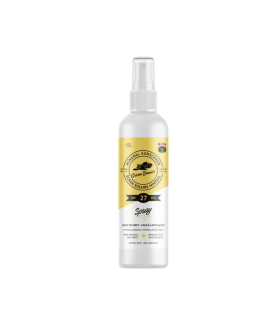
Green Beaver Co. SPF 27 Kids Natural Sunscreen Spray 90 ml
Product Code : GRB00314
Green Beaver Organic Certified sunscreens are developed for all skin types. With ingredients that are natural, vegan and gluten-free, they offer a gentle alternative to sun protection that will leave your skin feeling soft and healthy. Try them today to discover the benefits of a long-lasting...
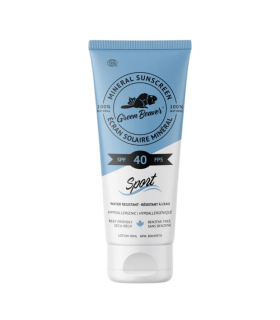
Green Beaver Co. SPF40 Adult lotion 90 ml
Product Code : GRB00320
Soak in the sunshine without the dangerous UV rays, thanks to this 40 SPF sunscreen. Its hydrating formula hydrates and nourishes your skin, like a lotion. This two-in-one product not only protects your skin from the sun, but also makes it better! Now, you can enjoy the sun and the glow that...
- Out-of-Stock

UV Skin Protect 60 Vcaps [Discontinued]
Product Code : CNP50302
Features NutroxSun™, a combination of Spanish Mediterranean citrus and rosemary extracts Protects skin against daily sun exposure and harmful UV radiation Helps reduce wrinkle depth
- Out-of-Stock
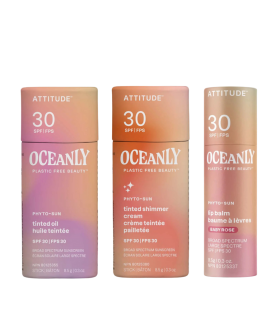
PHYTO-SUN Solid Skincare Kit SPF 30 with Zinc Oxide
Product Code : ATT00179
Shimmer Cream SPF 30 Tinted Oil SPF 30 Tinted Lip Gloss SPF 30 - Baby Rose
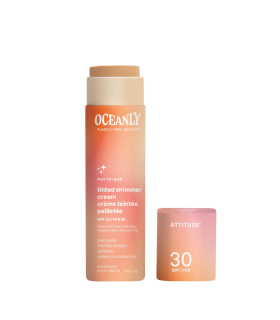
PHYTO-SUN Solid Tinted Shimmer Cream SPF 30 with Zinc Oxide 30g
Product Code : ATT16071
Solid, multifunctional formula that nourishes skin and restores radiance while offering protection against UVA and UVB rays Enriched with naturally-sourced ingredients such as non-nano zinc oxide, a mineral sunscreen, phytoglycogen with moisturizing properties and seaweed extracts with...
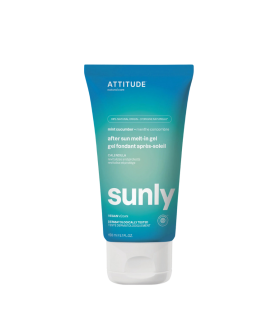
Sunly After sun melt-in gel 150 mL
Product Code : ATT16026
EWG VERIFIED™: clean ingredients and full transparency After-sun care with calendula extract, known for its soothing properties Dermatologically tested Vegan Light, non-greasy texture with a refreshing mint and cucumber fragrance
- Out-of-Stock
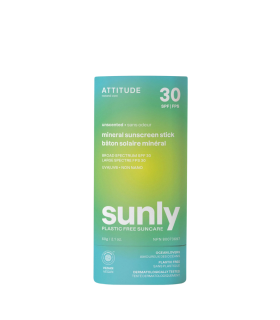
Sunly Plastic-free mineral sunscreen stick SPF 30 Unscented 60 g
Product Code : ATT16090
EWG VERIFIED™: clean ingredients and full transparency Contains non-nano zinc oxide, a mineral filter that forms a reflective barrier to protect skin Provides broad spectrum protection against UVA and UVB rays Dermatologically tested Vegan Ocean Lovers Seal FSC-certified biodegradable...
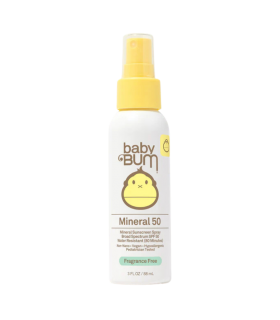
Baby Bum Mineral SPF 50 Spray 88 mL
Product Code : BUM60063
Our 100% mineral based sunscreen gives broad spectrum protection with a lightweight, non-greasy formula that's easy to blend in easy to your little one's skin.

Kids SPF50 Sheer Blend Sunscreen 89 mL[Discontinued]
Product Code : BBG92140
made without oxybenzone, octinoxate, parabens, nano-particles non allergenic blends in & blocks out tear free & pediatrician tested broad spectrum SPF 50 water resistant (80 minutes) Product formulated with plant-derived fragrance and ingredients chosen with kids in mind.
- Out-of-Stock
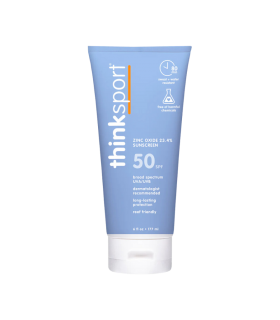
Thinksport Safe Sunscreen SPF 50+ 177 ml - Family Size
Product Code : THI00418
Organic BPA free Non-Aerosol & Biodegradable Reef Safe Non-Toxic Dermatologist tested
Leave a comment