








Top 5 Supplements for Allergy Season
If you have mixed feelings about Spring being around the corner, that may be because you are one of the many people who suffer from seasonal allergies. The beauty of blossoms is heavily tempered by the sneezing, runny nose, itchy, watery eyes, and general misery of allergic rhinitis. Don’t blame the pollen; the culprit behind these symptoms is your body’s excessive production of histamine. Specific nutrients and herbs can help minimize histamine levels. Read on to learn how.
1. Quercetin acts like a natural antihistamine by preventing histamine releasing mast cells from spilling their guts.[1] It also helps shift the balance of key immune cells away from the pro-allergy subtype towards the anti-allergy team.[2] Get the most from quercetin supplements by choosing an enhanced absorption form and start taking it before the pollen arrives.
2. Vitamin C delivers a one-two anti-allergy punch by both helping the enzymes that degrade histamine and hindering the ones that produce it. It is considered to be a first line treatment in conditions characterised by high histamine levels.[3]
3. All the B vitamins are involved in the key pathways of histamine breakdown. Vitamin B6[4], in particular, helps ensure histamine doesn’t linger in the body for too long by activating the histamine-purging enzyme DAO. Clinical studies use the active form of B6, pyridoxyl-5’-phosphate.
4. An unexpected addition to anti-allergy lineup is L-theanine, the amino acid better known for its effects as a natural chill pill. Research has shown L-theanine has the ability to stabilize mast cells, potentially minimizing allergic skin reactions and swelling.[5]
5. A meta-analysis of 21 probiotic-supplementation studies has shown that beneficial bacteria can improve quality of life for seasonal allergy sufferers, including a reduction in nasal and eye symptoms.[6] When shopping, look for a balance of Bifidobacterium and Lactobacillus strains. These two major families of probiotics help re-establish balance to the entire intestinal microbiome.

References
[1] Jafarinia M, Sadat Hosseini M, Kasiri N, et al. Quercetin with the potential effect on allergic diseases. Allergy Asthma Clin Immunol. 2020; 14:16-36.
[2] Tanaka Y, Furuta A, Asano K, Kobayashi H. Modulation of Th1/Th2 Cytokine Balance by Quercetin In Vitro. Medicines (Basel). 2020; 7(8):46.
[3] Molderings GJ, Haenisch B, Brettner S, et al. Pharmacological treatment options for mast cell activation disease. Naunyn Schmiedebergs Arch Pharmacol. 2016; 389(7):671-94.
[4] Martner-Hewes PM, Hunt IF, Murphy NJ, et al. Vitamin B-6 nutriture and plasma diamine oxidase activity in pregnant Hispanic teenagers, The American Journal of Clinical Nutrition. 1986; 44(6):907-13.
[5] Kim NH, Jeong HJ, Kim HM. Theanine is a candidate amino acid for pharmacological stabilization of mast cells. Amino Acids. 2012; 42(5):1609-18.
[6] Zajac AE, Adams AS, Turner JH. A systematic review and meta-analysis of probiotics for the treatment of allergic rhinitis. Int Forum Allergy Rhinol. 2015; 5(6):524-32.
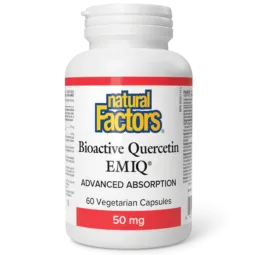
Bioactive Quercetin EMIQ 50 mg, 60 Vegetarian Capsules
Product Code : NFT01381
Helps in connective tissue formation and wound healing An antioxidant for the maintenance of good health Helps in the development and maintenance of bones, cartilage, teeth, and gums Helps the body to metabolize fats and proteins
- -15%
- -15%
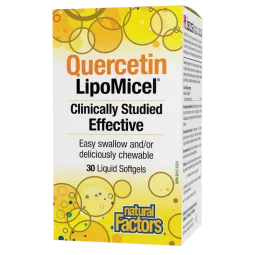
Quercetin LipoMicel Matrix 250 mg, 30 Softgels
Product Code : NFT01379
Provides a source of antioxidants Used in herbal medicine as a blood vessel protectant
-30% IN CART
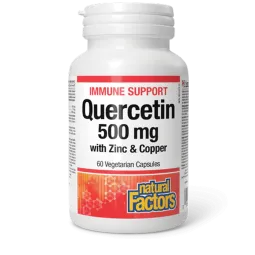
Quercetin 500 mg, 60 Vegetarian Capsules
Product Code : NFT01390
Source of antioxidants Helps support immune function Maintains healthy hair, skin, and nails
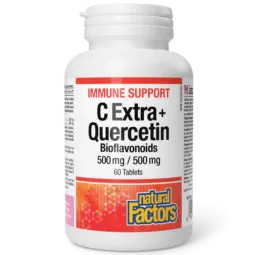
C Extra + Quercetin Bioflavonoids 500 mg / 500 mg, 60 Tablets
Product Code : NFT01333
Helps support immune function A source of antioxidants that helps protect against free radicals Helps in collagen formation to maintain healthy bones, cartilage, teeth, and gums Helps prevent vitamin C deficiency
Comments
Leave a comment