












Top Brain Supplements for Kids Heading Back to School
As kids head back to school, parents often look for ways to support their children’s focus, memory, and overall cognitive function. Supporting their brain health as your child returns to school can make a significant difference in their academic achievement and overall well-being. While a nutritious diet is the foundation of brain health, certain supplements can support cognitive function and overall brain health. Some of the brain nutrients your child needs as they head back to school include omega-3 fatty acids, which help support brain development, improve focus, and enhance memory; a multivitamin that provides a wide range of essential nutrients to support overall health and cognitive function; probiotics, which support gut health as it relates to brain health and cognitive function; and vitamin D, which supports brain health, mood regulation, and immune function.
Supplements vs. Natural Foods: What’s the Difference for Brain Health?
Omega-3 Fatty Acids: The Foundation for Brain Development
Probiotics: Boosting Brain Health Through the Gut
The Role of Antioxidants in Protecting Brain Cells
Choosing the Right Brain Supplement for Your Child’s Specific Needs
Supplements vs. Natural Foods: What’s the Difference for Brain Health?
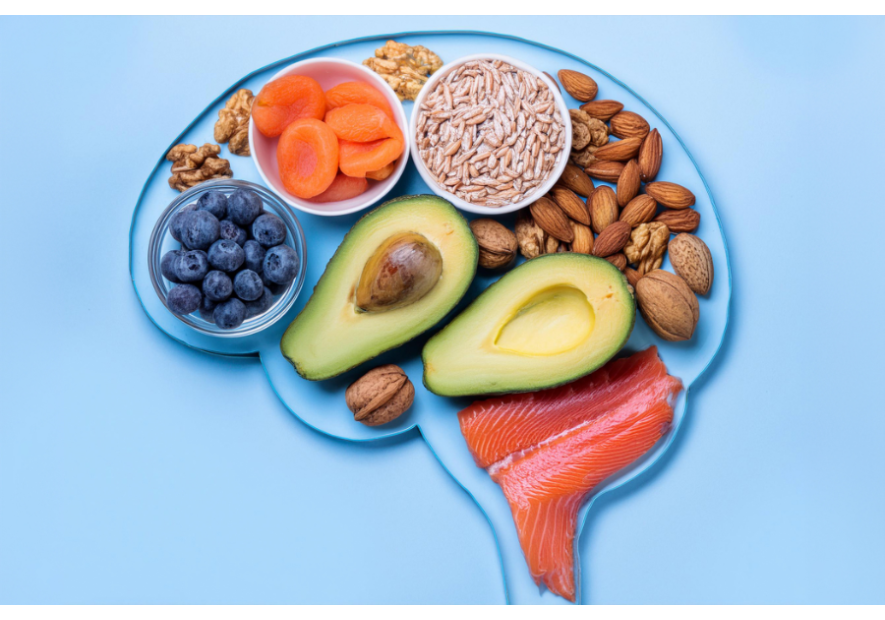
When it comes to brain health, both supplements and whole foods play an important role, but they differ in some key ways. A balanced diet rich in whole foods is generally recommended for overall brain health. Foods such as fatty fish, leafy greens, berries, and nuts are particularly beneficial. Supplements can be especially helpful if you have specific nutrient deficiencies.
Whole foods:
Whole foods contain a wide range of nutrients that work together to support brain health. For example, fruits, vegetables, nuts, and fish provide vitamins, minerals, antioxidants, and healthy fats that are beneficial to the brain. Nutrients from whole foods are generally more easily absorbed by the body than those from supplements, meaning that the body can utilize them more effectively. In addition to brain health, whole foods also offer other health benefits, such as improved heart health, improved digestion, and reduced inflammation.
Supplements:
Supplements can provide specific nutrients that may be lacking in your diet. Supplements can provide specific nutrients in higher concentrations than those typically found in foods. For example, omega-3 supplements can provide higher doses of EPA and DHA, which are beneficial for brain health. For individuals with dietary restrictions or who have difficulty consuming certain foods, supplements can provide a convenient way to meet nutritional needs.
Omega-3 Fatty Acids: The Foundation for Brain Development
Omega-3 fatty acids, especially EPA (eicosapentaenoic acid) and DHA (docosahexaenoic acid), are essential for brain development and brain function at all stages of life and play a key role in maintaining the fluidity and flexibility of cell membranes. DHA is abundant in the cell membranes of the brain and is a major structural component of the brain, retina, and other parts of the nervous system. Studies have shown that children whose mothers consumed sufficient omega-3 during pregnancy tend to score higher on intelligence and brain function tests. It has been reported that insufficient intake of omega-3 fatty acids not only causes attention deficit hyperactivity disorder (ADHD) in children, but also has a negative impact on learning ability development.
The period of active brain formation is the fetal and infant period, and if omega-3 fatty acids, especially DHA, are deficient during this period, brain cell membranes are deformed, neural impulse transmission is not performed properly, and the brain does not function properly. Therefore, it has been reported that learning ability and behavioral development are negatively affected. Since the fat we consume in our diet has such a big impact on brain function, it’s a good idea to eat plenty of foods that contain polyunsaturated fatty acids, such as omega-3 fatty acids. Salmon, mackerel, sardines, and trout are excellent sources of EPA and DHA. For those who don’t eat enough omega-3-rich foods, supplements can be a convenient alternative. Fish oil supplements are the most common, but there are also vegetarian and vegan supplements. Look for products that use high-quality fish oil that has been third-party tested for purity and is free of heavy metals.
Probiotics: Boosting Brain Health Through the Gut
Probiotics, also known as “good” or “beneficial” bacteria, are gaining attention for their potential role in promoting brain health through their effects on the gut. When consumed in adequate amounts, probiotics, which are live microorganisms, provide the following health benefits:
Reduced neuroinflammation: Chronic inflammation has been linked to cognitive decline and neurodegenerative diseases such as Alzheimer’s disease. Probiotics may help reduce gut inflammation, which may protect the brain from cognitive impairment by lowering neuroinflammation.
Mental health: Studies have shown that probiotics may help alleviate symptoms of depression and anxiety by affecting the gut-brain axis. The gut produces about 90 percent of the body’s serotonin, a neurotransmitter that significantly affects mood, anxiety, and well-being. By supporting serotonin production, probiotics may improve mood and alleviate symptoms of depression and anxiety.
Cognitive function: Probiotics may improve cognitive function by reducing inflammation and oxidative stress, which can impair memory and learning. Some studies have shown that certain probiotic strains can improve memory and cognitive flexibility, especially when under stress. Probiotics can also promote the growth of new neurons, particularly in the hippocampus, a brain region important for learning and memory.
The Role of Antioxidants in Protecting Brain Cells
Antioxidants play a vital role in protecting brain cells from damage caused by oxidative stress, a major factor in aging and neurodegenerative diseases. The brain is particularly vulnerable to oxidative stress due to its high oxygen consumption, lipid-rich environment, and relatively low levels of antioxidant defense. Key antioxidants for brain health include vitamin E, vitamin C, and glutathione. Here’s how antioxidants work and why they’re important:
Neutralize free radicals: Antioxidants neutralize free radicals, which are unstable molecules that can damage cells. The brain is particularly vulnerable to oxidative stress because of its high oxygen consumption and high lipid content.
Reduce oxidative stress: Antioxidants help reduce oxidative stress by neutralizing free radicals, which is linked to aging and a number of neurodegenerative diseases, such as Alzheimer’s and Parkinson’s.
Support cognitive function: Antioxidants support cognitive function by protecting neurons from damage. This may help maintain memory and other cognitive abilities as we age.
Choosing the Right Brain Supplement for Your Child’s Specific Needs
Choosing the right brain supplement for your child requires careful consideration of your child’s specific needs, developmental stage, and overall health. While a balanced diet should be the primary source of nutrients, supplements can sometimes help fill in the gaps, especially if your child has dietary restrictions, specific health conditions, or cognitive challenges. Here’s a guide to help you make this decision.
Age and Developmental Stage:
During the infant and toddler years, nutrients like DHA (omega-3 fatty acid) and vitamin D are essential for early brain development. During the preschool and elementary school years, nutrients like choline, iron, and zinc become important for cognitive function and memory as your child begins to learn more complex skills. During adolescence, as academic and social demands increase, your child will need B vitamins, magnesium, and other nutrients to support focus, mood, and cognitive performance.
Specific Cognitive Needs:
If your child struggles with attention or hyperactivity, omega-3 fatty acids, especially EPA and DHA, have been shown to help increase focus and reduce symptoms of attention deficit disorder (ADHD). For children who need help with memory retention, nutrients such as phosphatidylserine, choline, and B vitamins (especially B6, B12, and folic acid) are beneficial. For mood and emotional stability issues, supplements containing magnesium, vitamin D, or probiotics may help stabilize mood and reduce anxiety.
Safety and Quality:
Choose supplements that are specifically formulated for children. Choose products that are easy for children to take, with appropriate dosages and forms (such as chewables or liquids). Choose supplements that are third-party tested for purity, potency, and safety to ensure they are free of contaminants and accurately labeled.
Source:
1. Do Brain Supplements Actually Work? - Cleveland Clinic Health Essentials. https://health.clevelandclinic.org/do-brain-supplements-work.
2. Can Supplements Really Boost Brain Health? - Verywell Health. https://www.verywellhealth.com/can-supplements-really-boost-brain-health-7968396.
3. How Omega-3 Fish Oil Affects Your Brain and Mental Health. https://bing.com/search?q=Omega-3+Fatty+Acids+brain+development.
4. Can You Use Probiotics for Brain Health Benefits?. https://drruscio.com/probiotics-for-brain-health/.
5. Clinical Use of Antioxidants for the Treatment of Brain Disorders. https://link.springer.com/chapter/10.1007/978-3-031-41188-5_11.

Leave a comment