















Why Do We Feel Foggy Under Stress?
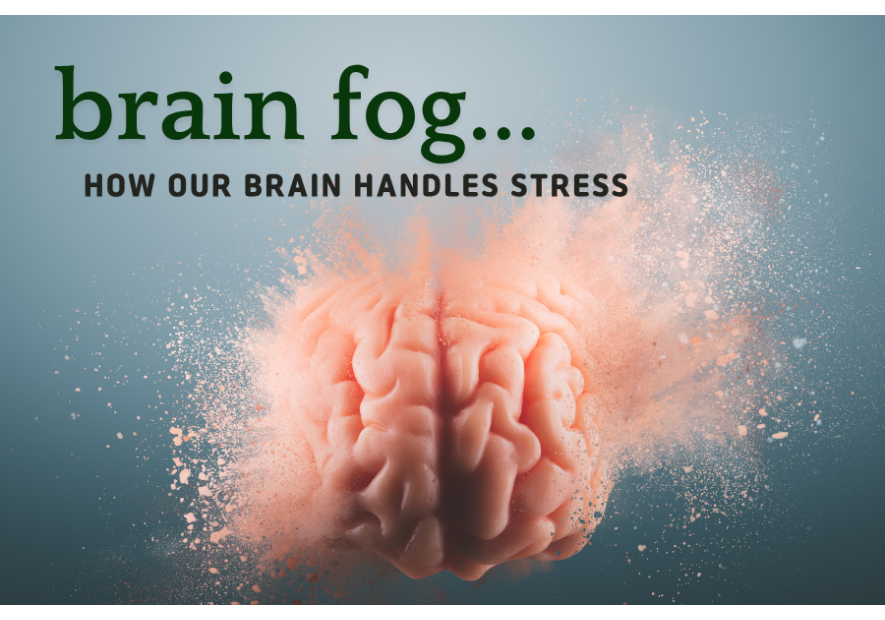
Why Do We Feel Foggy Under Stress? What’s Really Happening in the Brain?
Have you ever noticed that when you're stressed, it’s harder to concentrate, remember things, or make decisions? This phenomenon, often described as "brain fog," is a common experience, particularly in high-pressure situations. For Canadians, where workplace stress affects about 1 in 4 workers, understanding why this happens can help manage its impact. In this article, we’ll explore the science behind why stress makes it difficult to focus, what’s happening in the brain, and practical ways to keep your mind sharp.
Table of Contents
Check out Key Takeaways at the end for a quick summary
Why Is It So Hard to Focus When You’re Under Stress?
When faced with stress, your body activates the "fight-or-flight" response, a survival mechanism designed to help you confront or escape threats. This response involves the release of stress hormones like cortisol and adrenaline, which prepare your body for immediate action. While this is helpful for short-term dangers, it can impair cognitive functions when stress becomes chronic or frequent (Arnsten, 2009).
Under stress, the brain prioritizes survival over higher cognitive tasks like focusing or problem-solving. The prefrontal cortex, responsible for executive functions such as attention, planning, and decision-making, experiences reduced activity under stress. This shift diverts mental resources, making it harder to concentrate on tasks that aren’t immediately related to the stressor (Arnsten, 2009).
Stress also triggers physical symptoms like headaches, fatigue, or muscle tension, which can further distract from mental tasks. Additionally, the negative thought patterns and worry that often accompany stress can consume attention, making it challenging to stay focused. For example, a 2020 study noted that stress from events like the COVID-19 pandemic impaired working memory, contributing to difficulty concentrating (Fellman et al.).
The Link Between Cortisol and Reduced Prefrontal Cortex Function
Cortisol, often called the "stress hormone," is a key player in the body’s stress response. While it helps mobilize energy and heighten alertness in acute situations, prolonged high cortisol levels can harm the brain, particularly the prefrontal cortex. This brain region is critical for tasks requiring focus, working memory, and decision-making.
Research shows that chronic stress and elevated cortisol can cause dendritic atrophy—shrinkage of the neural branches that connect neurons—in the prefrontal cortex. This reduces the efficiency of neural communication, impairing cognitive functions like attention and memory (Journal of Neurobiology). For instance, a study found that even mild, uncontrollable stress can rapidly reduce prefrontal cortex activity, leading to noticeable declines in cognitive performance (Arnsten, 2009).
Cortisol also affects brain plasticity, the ability to form new neural connections essential for learning and memory. Over time, these changes can make it harder to maintain focus and process information efficiently, contributing to the foggy feeling associated with stress.
How Brain Fog Is Connected to Anxiety
Anxiety, a common byproduct of stress, significantly contributes to brain fog. When you’re anxious, the amygdala—the brain’s emotional processing center—becomes hyperactive. This heightened activity can override the prefrontal cortex’s rational functions, making it difficult to concentrate on tasks requiring logical thinking or sustained attention.
Studies indicate that anxiety impairs working memory and attention, key components of focus. For example, a 2013 study found that individuals with high anxiety levels performed worse on tasks requiring spatial and verbal working memory compared to those with lower anxiety (Vytal et al., 2013). This is because anxiety often leads to rumination—repetitive worrying about problems—which distracts from the present moment and reduces cognitive capacity.
In Canada, where approximately 18% of Canadians aged 15 and older met the criteria for a mood, anxiety, or substance use disorder in the past year (per Stat Canada in 2023), this connection is particularly relevant. The interplay between stress and anxiety can create a cycle where each exacerbates the other, intensifying brain fog.
Could Nutrient or Sleep Deficiencies Also Be to Blame?
Stress doesn’t just affect the brain directly; it can also disrupt behaviors that support cognitive health, such as sleep and nutrition. Poor sleep is a common consequence of stress, and since sleep is vital for memory consolidation and cognitive restoration, its disruption can worsen brain fog. Research suggests adults need 7-9 hours of sleep per night for optimal cognitive function, yet stress-induced insomnia can reduce this, leading to deficits in attention, memory, and decision-making (Consensus Conference Panel, 2015).
Stress can also alter eating habits, leading to overeating or undereating, which may cause nutritional deficiencies. Nutrients like omega-3 fatty acids, B vitamins, and magnesium are essential for brain health. Omega-3s, found in foods like fatty fish and walnuts, support the structure of brain cells and are linked to improved cognitive function (Gómez-Pinilla, 2008). Stress-induced poor dietary choices can deprive the brain of these nutrients, further impairing focus.
For example, a Canadian survey by Health Canada found that many Canadians don’t meet the recommended intake of key nutrients like magnesium, which is critical for nerve function and stress regulation. Addressing these deficiencies through diet or supplements may help mitigate brain fog.
Tips to Keep Your Brain Clear and Sharp
While stress is a part of life, several evidence-based strategies can help manage its impact on cognitive clarity:
- Practice Mindfulness and Meditation: Mindfulness meditation reduces stress and enhances focus. A 2013 study found that a two-week mindfulness training course improved working memory and reduced mind wandering, leading to better performance on cognitive tasks (Psychological Science).
- Exercise Regularly: Physical activity boosts blood flow to the brain, promotes neuron growth, and releases endorphins, improving mood and cognition. Research highlights exercise as a powerful tool for reducing stress and enhancing mental clarity (Harvard Health 2014).
- Prioritize Sleep: A consistent sleep routine and a restful environment can improve sleep quality. Techniques like progressive muscle relaxation can help combat stress-related insomnia.
- Eat a Balanced Diet: Consuming foods rich in omega-3s (e.g., salmon, walnuts), B vitamins, and magnesium supports brain health. A diet with fruits, vegetables, and whole grains can provide these nutrients.
- Manage Time Effectively: Organizing tasks and using techniques like the Pomodoro Technique can reduce feelings of being overwhelmed, helping maintain focus.
- Seek Social Support: Talking to friends, family, or professionals can alleviate stress and provide new perspectives. In Canada, resources like the Canadian Mental Health Association offer support for stress management.
- Consider Professional Help: If stress or anxiety becomes overwhelming, cognitive behavioral therapy (CBT) can be effective in addressing these issues and improving cognitive function (Nakao et al., 2021).
Brain fog under stress arises from a complex interplay of neurological and physiological factors. The fight-or-flight response, driven by cortisol, shifts brain resources away from focus, while anxiety amplifies this effect through amygdala activation. Sleep and nutrient deficiencies, often worsened by stress, further cloud mental clarity. By understanding these mechanisms, Canadians can take proactive steps like mindfulness, exercise, and proper nutrition to manage stress and keep their minds sharp. With stress affecting a significant portion of the population, these strategies are vital for maintaining cognitive health in today’s fast-paced world.
Key Takeaways
- Fight-or-Flight: Under stress, your brain prioritizes survival, reducing activity in the prefrontal cortex responsible for focus and problem-solving.
- Cortisol's Impact: Prolonged high levels of cortisol, the "stress hormone," can shrink neural connections in the prefrontal cortex, impairing attention and memory.
- Anxiety's Role: Anxiety overactivates the amygdala, overriding the prefrontal cortex and making it harder to concentrate on logical tasks, often leading to repetitive worrying.
- Deficiencies Contribute: Stress can disrupt sleep and eating habits, leading to deficiencies in essential nutrients like omega-3s, B vitamins, and magnesium, further worsening brain fog.
- Sharpen Your Mind: Strategies like mindfulness, regular exercise, prioritizing sleep, a balanced diet, and effective time management can help mitigate stress and improve cognitive clarity.
Sources/Further Reading
- Arnsten, A. F. T. (2009). Stress signalling pathways that impair prefrontal cortex structure and function. Nature Reviews Neuroscience, 10(6), 410–422. https://doi.org/10.1038/nrn2648
- Britannica. (n.d.). Fight-or-flight response. https://www.britannica.com/science/fight-or-flight-response
- Consensus Conference Panel (2015). Recommended amount of sleep for a healthy adult: A joint consensus statement of the American Academy of Sleep Medicine and Sleep Research Society. Sleep, 38(6), 843–844. https://doi.org/10.5665/sleep.4716
- Cook, S. C., & Wellman, C. L. (2004). Chronic stress alters dendritic morphology in rat medial prefrontal cortex. Journal of Neurobiology, 60(2), 236–248. https://doi.org/10.1002/neu.20025
- Fellman, D., Ritakallio, L., Waris, O., Jylkkä, J., & Laine, M. (2020). Beginning of the Pandemic: COVID-19-Elicited Anxiety as a Predictor of Working Memory Performance. Frontiers in Psychology, 11, 576466. https://doi.org/10.3389/fpsyg.2020.576466
- Gómez-Pinilla, F. (2008). Brain foods: the effects of nutrients on brain function. Nature Reviews Neuroscience, 9(7), 568–578. https://doi.org/10.1038/nrn2421
- Harvard Health Publishing. (n.d.). Understanding the stress response. https://www.health.harvard.edu/staying-healthy/understanding-the-stress-response
- Harvard Health Publishing. (2014, April 9). Regular exercise changes the brain to improve memory, thinking skills. https://www.health.harvard.edu/blog/regular-exercise-changes-brain-improve-memory-thinking-skills-201404097110
- Health Canada. (2012). Do Canadian Adults Meet Their Nutrient Requirements Through Food Intake Alone? https://www.canada.ca/en/health-canada/services/food-nutrition/food-nutrition-surveillance/health-nutrition-surveys/canadian-community-health-survey-cchs/canadian-adults-meet-their-nutrient-requirements-through-food-intake-alone-health-canada-2012.html
- Mrazek, M. D., Franklin, M. S., Phillips, D. T., Baird, B., & Schooler, J. W. (2013). Mindfulness training improves working memory capacity and GRE performance while reducing mind wandering. Psychological Science, 24(5), 776–781. https://doi.org/10.1177/0956797612459659
- Nakao, M., Shirotsuki, K. & Sugaya, N. (2021) Cognitive–behavioral therapy for management of mental health and stress-related disorders: Recent advances in techniques and technologies. BioPsychoSocial Med 15, 16. https://doi.org/10.1186/s13030-021-00219-w
- Statistics Canada. (2023, June 19). Work-related stress most often caused by heavy workloads and work-life balance. The Daily. https://www150.statcan.gc.ca/n1/daily-quotidien/230619/dq230619c-eng.htm
- Statistics Canada. (2023, September 22). Mental disorders in Canada, 2022. https://www150.statcan.gc.ca/n1/pub/11-627-m/11-627-m2023053-eng.htm
- Vytal, K. E., Cornwell, B. R., Letkiewicz, A. M., Arkin, N. E., & Grillon, C. (2013). The complex interaction between anxiety and cognition: Insight from spatial and verbal working memory. Frontiers in Human Neuroscience, 7, 93. https://doi.org/10.3389/fnhum.2013.00093

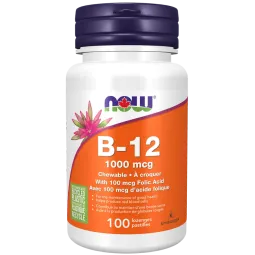
B-12 1000 mcg Chewable, 100 lozenges
Product Code : NOW80466
For the maintenance of good health Helps produce red blood cells and treat pernicious anemia Supports nerves and energy Vegetarian/Vegan Chewable, with 100 mg Folic Acid
- -25%
- -25%

Niacinamide 500 mg, 100 Capsules
Product Code : NOW80478
Get NOW Foods's exclusive deal BEFORE it's gone! Helps metabolize proteins, fats, carbohydrates Aids growth and development Maintains good health Non-flush form of niacin
- -25%
- -25%
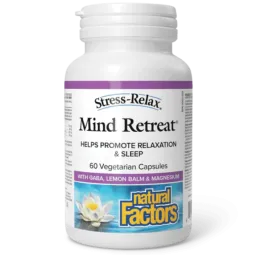
Stress-Relax Mind Retreat, 60 Vegetarian Capsules
Product Code : NFT02841
Helps to temporarily promote relaxation Traditionally used in herbal medicine as a sleep aid and to help relieve digestive discomfort Helps maintain normal muscle function Contains PharmaGABA®, a clinically tested form of GABA produced by natural fermentatio
- -15%
- -15%
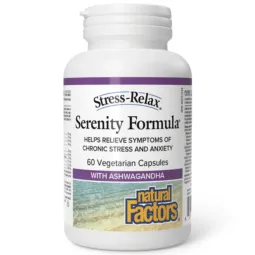
Stress-Relax Serenity Formula, 60 Vegetarian Capsules
Product Code : NFT02834
Helps reduce the symptoms of stress, such as fatigue, sleeplessness, irritability, and inability to concentrate Used in herbal medicine to help improve mental and physical performance after periods of mental and physical exertion Helps reduce cortisol and C-reactive protein levels, the...
- -15%
- -15%

Vitamin B3 Niacin 500 mg 60 Capsules
Product Code : NRT00908
Our vitamin B3 includes the most bioavailable B‑vitamin enzyme forms. We complement our vitamin B3 with additional cofactors for maximum absorption.
-10% IN CART
- Hidden Deal In Cart
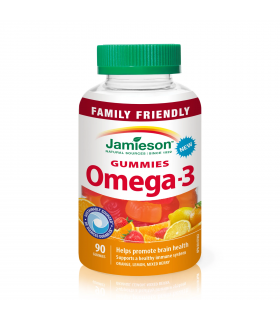
Omega-3 90 Gummies
Product Code : JMS09630
Jamieson Omega-3 Gummies are a family friendly formula providing premium EPA and DHA plus Vitamin D3 in all-natural orange, lemon & mixed berry flavour gummies. Family friendly formula for adults, adolescents and children 3 years and older. Jamieson Omega-3 Gummies are free from artificial...
- -15%
- Out-of-Stock
- -15%

Vitamin B-Complex 60 Veg Capsules
Product Code : OMA12350
Complete B-Complex with all essential B vitamins in one capsule Supports energy metabolism and combats fatigue Promotes stress relief and nervous system health Helps form red blood cells and supports cardiovascular function Optimized dosages for maximum synergy and effectiveness...
- -15%
- -15%

Advanced B Complex, 180 Capsules
Product Code : AOR04206
Full-spectrum B complex Active forms of B-vitamins your body can readily use Balanced ratios and clinically-supported doses Support for metabolism and red blood cell production Doesn’t cause niacin “flush”
-10% IN CART
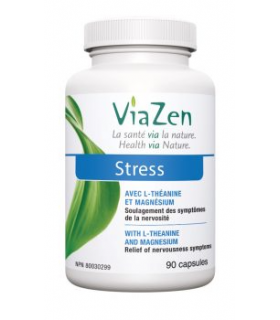
Stress 90 Capsuels
Product Code : VIA01004
10Viazen Stress offers an efficient ANTI-STRESS solution to anybody undergoing a daily stress and who is affected by discomforts which result from it.
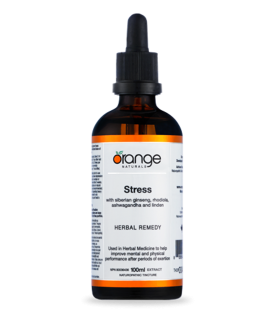
Stress Tincture 100 ml
Product Code : ORN00511
Stress tincture helps to improve mental and physical performance after periods of exertion. This amazing tincture provides combination of herbs to help sharpen the performance of the brain or body after periods of exertion. Benefits: Rejuvenating tonic Relieves general debility, especially...
-20% IN CART
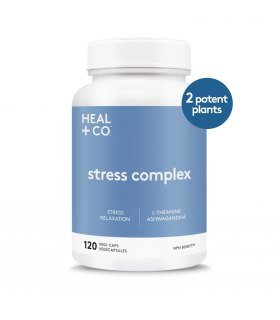
Stress Complex 120 Vegi Capsules
Product Code : HCO21997
HEAL + CO.’s mission is to help people benefit from the healing powers of nature’s most potent plants. All of our products are carefully chosen to meet our values of efficacy, purity and potency. Our Stress Complex is formulated with high-potency ashwagandha extract and L-theanine to promote...
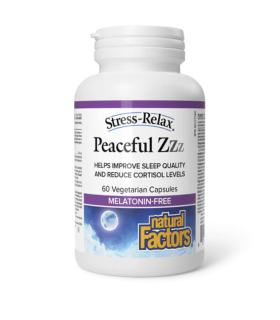
Stress-Relax Peaceful Zzz 60caps
Product Code : NFT02871
Helps reduce cortisol levels, a biomarker of physical stress Helps support a healthy mood balance Helps improve sleep quality
-15% IN CART
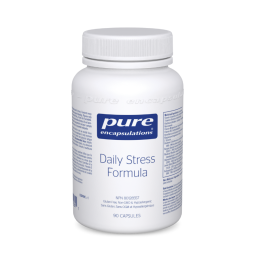
Daily Stress Formula 90 Capsules
Product Code : PUR02584
Enhances cognitive function, mental focus, and stamina. Helps relieve stress and supports sleep with lemon balm. Supports energy metabolism and immune defense. Made with high-quality, science-backed vegan ingredients.
-25% IN CART