










Why You Feel Cold All the Time
Poor Circulation | Anemia | Hypothyroidism
As winter approaches, many people start feeling cold more often than usual. However, feeling cold all the time is not a normal occurrence, and it can be a sign of an underlying health condition or lifestyle habit. In this essay, we will discuss the reasons why people might feel cold all the time and recommend effective Canadian supplements and vitamins to help alleviate this symptom.
Poor Circulation
One of the most common reasons why people feel cold all the time is poor circulation. Poor circulation means that there is a restricted blood flow to the extremities, resulting in less heat delivered to them. This condition can be caused by smoking, high blood pressure, and high cholesterol, among other factors. To improve circulation, people can take supplements and vitamins that promote healthy blood flow.
Omega-3 fatty acids
Omega-3 fatty acids are one of the most effective supplements for improving circulation. These are essential fatty acids that the body cannot produce on its own, and they must be obtained through diet or supplements. Omega-3 fatty acids have been shown to reduce inflammation and improve blood flow. Fish oil supplements are a good source of omega-3 fatty acids and have been shown to improve circulation in people with peripheral arterial disease (PAD) and Raynaud's disease, both of which can cause cold hands and feet.
Magnesium
Another supplement that can help improve circulation is magnesium. Magnesium is a mineral that plays an important role in the regulation of blood flow. It helps to relax blood vessels and improve blood flow to the extremities. Magnesium supplements can also help to reduce inflammation, which can contribute to poor circulation. Some good dietary sources of magnesium include nuts, seeds, and leafy green vegetables.
Anemia
Anemia is another possible cause of feeling cold all the time. Anemia is a condition in which the body does not have enough red blood cells to carry oxygen to the body's tissues. This can cause fatigue, weakness, and cold hands and feet. Anemia can be caused by a variety of factors, including iron deficiency, vitamin B12 deficiency, and folic acid deficiency. To treat anemia, individuals can take supplements and vitamins that help to boost red blood cell production.
Iron
Iron is a mineral that is essential for the production of hemoglobin, a protein in red blood cells that carries oxygen. Iron deficiency is one of the most common causes of anemia. To increase iron levels, individuals can take iron supplements or increase their intake of iron-rich foods, such as red meat, poultry, and leafy green vegetables.
Vitamin B12
Vitamin B12 is another important nutrient for red blood cell production. It is found primarily in animal-based foods, such as meat, fish, and dairy products. Individuals who follow a vegetarian or vegan diet may be at risk of vitamin B12 deficiency and should consider taking a vitamin B12 supplement.
Folic acid
Folic acid is a B vitamin that is important for the production of red blood cells. It is found in leafy green vegetables, citrus fruits, and fortified cereals. Pregnant women and individuals with certain medical conditions, such as celiac disease, may be at risk of folic acid deficiency and should consider taking a folic acid supplement.
Hypothyroidism
In addition to poor circulation and anemia, feeling cold all the time can also be a symptom of hypothyroidism. Hypothyroidism is a condition in which the thyroid gland does not produce enough thyroid hormone. This can slow down the body's metabolism, causing fatigue, weight gain, and cold intolerance. To treat hypothyroidism, individuals may need to take thyroid hormone replacement therapy prescribed by a doctor.
.png)
Lifestyle Changes
While supplements and vitamins can be effective in treating the underlying causes of feeling cold all the time, there are also lifestyle changes that can help alleviate this symptom. One of the most important lifestyle changes individuals can make is to maintain a healthy diet. Eating a diet rich in whole foods, such as fruits, vegetables, lean proteins, and whole grains, can help provide the body with the nutrients it needs to function properly. In particular, foods that are rich in iron, vitamin B12, and folic acid can help to alleviate the symptoms of anemia.
Regular exercise can also help to improve circulation and alleviate the symptoms of feeling cold all the time. Exercise helps to increase blood flow to the extremities and can help to improve cardiovascular health. Individuals should aim to engage in moderate exercise, such as brisk walking or cycling, for at least 30 minutes a day, five days a week.
Another important lifestyle change individuals can make is to quit smoking. Smoking can contribute to poor circulation and can increase the risk of developing a variety of health conditions, including peripheral arterial disease, which can cause cold hands and feet.
In addition to these lifestyle changes, individuals can also take steps to improve their sleep quality. Poor sleep can contribute to feelings of fatigue and cold intolerance. To improve sleep quality, individuals should aim to get seven to nine hours of sleep each night, establish a regular sleep schedule, and create a relaxing sleep environment.
In conclusion, feeling cold all the time can be a symptom of various underlying health conditions or lifestyle habits. To address this issue, it is important to identify the root cause and take steps to improve one's overall health. Supplements and vitamins such as omega-3 fatty acids, magnesium, iron, vitamin B12, and folic acid can be effective in treating poor circulation and anemia, two common causes of cold intolerance. However, lifestyle changes such as regular exercise, quitting smoking, and improving sleep quality are also important in improving overall health and reducing the risk of feeling cold all the time. By taking these steps, individuals can improve their overall health and feel more comfortable during the colder months.
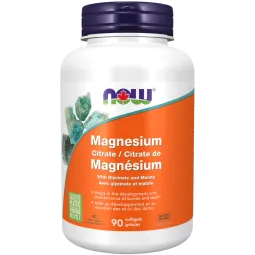
Magnesium Citrate 134 mg, 90 Softgels
Product Code : NOW81297
Helps in tissue formation Helps to maintain proper muscle function Triple-sourced Magnesium for superior absorption (Citrate, Bisglycinate and Malate) High-absorbing, easy-to-swallow softgels
- -25%
- -25%
![Jamieson Folic Acid 400 mcg 200 Tablets[DISCONTINUED] | Unbeatable Prices, Daily Deals | VITASHOP]( https://vitashop.ca/4371-home_default/folic-acid-400-mcg-200-tablets-discontinued-.jpg
)
Folic Acid 400 mcg 200 Tablets[DISCONTINUED]
Product Code : JMS02765
0Jamieson Folic Acid is an essential pre-pregnancy nutrient for women planning to conceive. It helps reduce the risk of neural tube defects when taken -10 before or during early pregnancy.
- -15%
- Out-of-Stock
- -15%
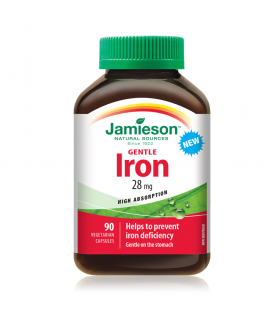
Gentle Iron 28 mg 90 Caplets
Product Code : JMS09048
Jamieson High Absorption Gentle Iron is a blend of iron, folic acid, vitamin B2, B12, and vitamin C, that combine to provide fast absorption, maintain a healthy immune system, while being gentle on the stomach.
- -15%
- Out-of-Stock
- -15%
![Natural Factors [2 for Deal] B12 Methylcobalamin 1000 mcg, 210 Sublingual Tablets | Unbeatable Prices, Daily Deals | VITASHOP]( https://vitashop.ca/16041-home_default/-2-for-deal-b12-methylcobalamin-1000-mcg-210-sublingual-tablets.jpg
)
[2 for Deal] B12 Methylcobalamin 1000 mcg, 210 Sublingual Tablets
Product Code : 2NFT08700
Helps form red blood cellsSupports healthy immune functionHelps prevent vitamin B12 deficiency and maintain good healthHelps maintain the body’s ability to metabolize nutrients
- -24%
- Pack
- -24%
![Natural Factors [2 for Deal] RxOmega-3 - Extra Strength 600 mg, 150 Enteripure Softgels | Unbeatable Prices, Daily Deals | VITAS]( https://vitashop.ca/37082-home_default/-2-for-deal-rxomega-3-extra-strength-600-mg-150-enteripure-softgels.jpg
)
[2 for Deal] RxOmega-3 - Extra Strength 600 mg, 150 Enteripure Softgels
Product Code : 2NFT08354
Helps support cardiovascular health and reduce serum triglycerides Helps support cognitive health and brain function Helps promote healthy mood balance Pharmaceutical grade: Provides high potencies of omega-3 fatty acids Molecularly distilled: Removes impurities like mercury and PCBs...
- -24%
- Pack
- -24%