













Your Magnesium Match: Discovering 7 different Form for Wellness
Magnesium is an essential mineral that plays an important role in several functions, including muscle function, nerve function, and energy production. According to Dr. Maurya Raghav, magnesium regulates bone and tooth formation, decay and body conditioning, muscle recovery, nerve regulation, and also helps in DNA formation. It also plays an important role in carrying out tasks that help regulate mood. Various forms of magnesium are available independently.
As 80% of repairers sit in a charging state, the theory of calcium deficiency has been raised as an issue and its acceptance is also emphasized. It is important to consider the addition of magnesium, your specific needs, and your underlying health status. Magnesium problems can be found in muscles, registering, and many other health problems. Magnesium can be obtained through dietary sources such as chunks, seeds, leafy greens, and whole grains, but certain health conditions may require you to take personal supplements at your own risk. Consulting with a healthcare professional can help determine which form and preference best suits your individual health goals.
Exploring Magnesium Vital Significance
Magnesium Recommended Daily Dose
Magnesium in 7 Different Forms
Choosing Your Magnesium Wisely: Tips for Optimal Health
Exploring Magnesium Vital Significance
Magnesium is a very essential tool for a variety of important computational capabilities. Here are some key aspects about magnesium:
Activate activity:
Magnesium plays a key role in activating 300 systems that participate in a wide range of biochemical reactions. It is required for energy production, DNA synthesis, and motor equivalent functions. As a power bank of energy needed to convert food into energy (ATP), magnesium is instrumental in cellular energy production. Core energy activity ATP is a key component of the executor.
Muscle contraction and tension:
Magnesium's exciting toy is its shrinkage and extinction functions. It expands energy metabolism of fats, fats, alloys, etc., and helps maintain hypernervous function. Magnesium also has the ability to regulate muscle and nerve functions, including bones. In general, if the minus is excluded, it is that the muscles do not work and there are additional, unnoticeable, etc. symptoms. Magnesium, by its close action with submarines, can be very helpful in increasing the filling expansion of muscle mass or eyelids, etc., which can help maintain muscle contraction and nerve function.
Bone Health:
Magnesium, along with magnesium and phosphorus, is a key component of bone structure. It helps in the proper formation and maintenance of bones, which helps maintain bone density. Calcium is needed to account for the structure of the skeleton and the risk of stones, as well as to help defend its elasticity. It acts as an auxiliary element of the parathyroid glands and also adjusts the small parts and components of the bones to enhance their full density and thereby strengthen osteoporosis.
Heart Health:
Magnesium plays a role in maintaining the receptor system. It is independent in coordinating separation, supporting muscle function, and maintaining the rhythm of heartbeat. What comes to mind is that people who take less than 186 mg have a 1.8 times higher risk of developing the disease compared to people who take more than 340 mg.
Controller Adjustment:
Magnesium is included and is included in portions. Adequate magnesium components can help regulate sensitive sex alternating components and reduce the risk of type 2 diabetes. According to a study that tracked more than 4,000 people over 20 years, 47% of high magnets were unique.
For improvement:
Magnesium plays an important role in metabolic function and mood. Magnesium plays such an important role in stabilizing nerves that it has been called a natural sedative and natural sedative. Accept the level of stress, think low, accept insomnia as an effective way to stabilize nerve cells, and be happy that it is related to mental disorders such as anxiety disorders. Magnesium was associated with a 22% higher risk in a study of 8,800 adults under 65 years of age.
Magnesium Recommended Daily Dose
The recommended daily allowance (RDA) or adequate intake (AI) for magnesium may vary depending on factors such as age, gender, and life stage. General guidelines for magnesium intake according to the National Institutes of Health are as follows: It is important to note that these values are general recommendations and individual needs may vary. Factors such as pregnancy, lactation, certain health conditions, and medications may affect your magnesium needs. Additionally, some individuals may have increased magnesium needs due to factors such as intense physical activity, stress, or certain health conditions.
1. Infant:
- 0~6 months: 30mg/day (AI)
- 7~12 months: 75mg/day (AI)
2. Children:
- 1-3 years: 80mg/day (RDA)
- 4 to 8 years: 130 mg/day (RDA)
- 9-13 years: 240 mg/day (RDA)
3. Youth and Adults:
- Males aged 14 to 18: 410 mg/day (RDA)
- Females ages 14 to 18: 360 mg/day (RDA)
- Men aged 19 to 30: 400 mg/day (RDA)
- Women aged 19 to 30: 310 mg/day (RDA)
- Men over 31 years of age: 420 mg/day (RDA)
- Women over 31 years of age: 320 mg/day (RDA)
4. Pregnant women:
- Pregnant women (19-30 years old): 350mg/day (RDA)
- Pregnant women (over 31 years old): 360mg/day (RDA)
Magnesium in 7 Different Forms
Magnesium is an essential mineral that plays an important role in a variety of physiological functions in the body. Different forms of magnesium supplements have varying levels of bioavailability and are often chosen based on individual needs and preferences.
Magnesium Aspartate
*Formed by combining magnesium and aspartic acid.
*Aspartate is known to improve absorption.
Magnesium Carbonate
*Combines magnesium and carbonate.
*Alkaline substance and sometimes used as an antacid
Magnesium Citrate
*Magnesium combined with citric acid.
*It is known to have good bioavailability and is often used to relieve constipation.
Magnesium Oxide
*Contains magnesium and oxygen.
*Although it is high in magnesium, it is known to have lower bioavailability than other forms.
Magnesium Malate
*Compound of magnesium and malic acid.
*Malic acid is found in a variety of fruits and contributes to energy production in the body.
Magnesium Glycinate
*Consists of magnesium and glycine.
*Glycine is an amino acid and has soothing properties, making it a popular choice for people with anxiety or sleep problems. It is highly absorbent, easy on the stomach, and less likely to cause diarrhea.
Magnesium L-threonate
*L-threonate, a type of vitamin C, and magnesium are combined.
*Cross the blood-brain barrier, potentially supporting cognitive function.
Choosing Your Magnesium Wisely: Tips for Optimal Health
Choosing the right magnesium supplement and ensuring optimal health requires consideration of a variety of factors. The type, efficacy, and absorption rate in the body of magnesium supplements vary depending on what ingredients they are combined with. In other words, you need to decide whether to be satisfied with the magnesium in a complex nutritional supplement or take magnesium alone depending on your symptoms. Here are some tips to help you make an informed decision.
Assess your magnesium needs:
Consider your age, gender, life stage and any specific health conditions you have. Each person's magnesium needs may vary.
Please select the correct form:
There are many different forms of magnesium supplements, each with their own unique properties. Consider your health goals when choosing a form. For example, magnesium citrate may aid digestion, while magnesium glycinate may be suitable for people looking to avoid the effects of laxatives.
Consider bioavailability:
Some forms of magnesium are more easily absorbed by the body than others. Magnesium glycinate and magnesium citrate are generally well absorbed, whereas magnesium oxide may have lower bioavailability.
Quality and Purity Verification:
Choose supplements from reputable brands that adhere to quality standards. Look for products that have been tested for purity and potency. Third-party testing can provide additional quality assurance.
Consider a combination:
Some supplements combine magnesium with other nutrients or compounds, such as calcium or vitamin D and magnesium. Consider your overall nutritional intake and whether a combination supplement fits your health goals.
Drug interaction monitoring:
Magnesium supplements may interact with certain medications. If you are taking medications, especially antibiotics, diuretics, or medications for heart disease, talk to your health care provider before starting magnesium supplementation.
Reference:
1.Magnesium - Harvard T.H. Chan School of Public Health. https://www.hsph.harvard.edu/nutritionsource/magnesium
2.Magnesium Dosage: How Much Should You Take per Day? https://www.healthline.com/nutrition/magnesium-dosage.
3.What Are the Health Benefits of Magnesium?. https://www.healthline.com/nutrition/magnesium-benefits.
4.What Does Magnesium Do for Your Body? https://www.healthline.com/nutrition/what-does-magnesium-do.
5.Magnesium: Health benefits, deficiency, sources, and risks. https://www.medicalnewstoday.com/articles/286839.

Magnesium Citrate 134 mg, 90 Softgels
Product Code : NOW81297
Helps in tissue formation Helps to maintain proper muscle function Triple-sourced Magnesium for superior absorption (Citrate, Bisglycinate and Malate) High-absorbing, easy-to-swallow softgels
- -25%
- -25%
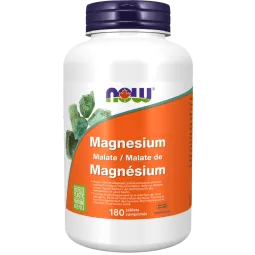
Magnesium Malate, 180 Tablets
Product Code : NOW81300
Helps in the development and maintenance of bones, teeth, and tissue formation Helps to maintain proper muscle function An electrolyte for the maintenance of good health Unique malate form of magnesium Vegetarian / Vegan
- -25%
- -25%
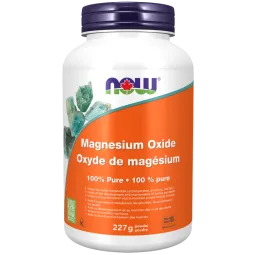
Magnesium Oxide Powder, 227 g
Product Code : NOW81310
Helps the body to metabolize carbohydrates, fats and proteins Helps in the development and maintenance of bones and teeth Helps in tissue formation Helps to maintain proper muscle function Controlled dosing
- -25%
- -25%

Magtein Magnesium L-Threonate, 90 Capsules
Product Code : NOW82390
A factor for the maintenance of good health Unique form of Magnesium
- -25%
- -25%
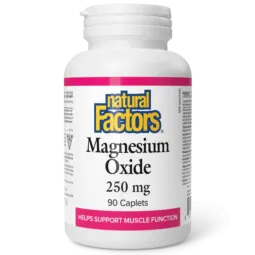
Magnesium Oxide 250 mg, 90 Caplets
Product Code : NFT01654
Promotes wound healing Helps support normal muscle function, including the heart muscle Helps in energy metabolism and tissue formation Helps support electrolyte balance Helps in the development and maintenance of bones and teeth
- -15%
- -15%

Mag Malate Renew, 120 Capsules
Product Code : AOR04011
Helps maintain proper muscle function A true chelate of magnesium and malic acid Enhances cellular energy production and muscle function Fully reacted magnesium malate for purity
-10% IN CART
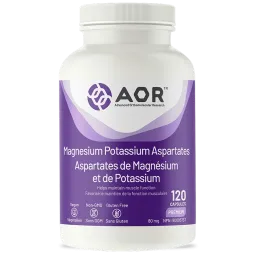
Magnesium Potassium Aspartates, 120 Capsules
Product Code : AOR04224
Helps maintain muscle function of the heart Contains true, fully-reacted magnesium and potassium aspartates to support energy production in the body Helps maintain proper muscle function including the heart muscle Maintains normal electrolyte balance Contains potassium to prevent potassium...
-10% IN CART
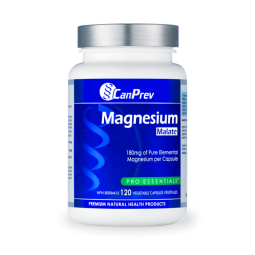
Magnesium Malate 120 Vegi Capsules
Product Code : CNP50183
Magnesium is essential for DNA synthesis and energy production Also essential for proper muscle function and nervous system health
-25% IN CART

Magnesium L-Threonate 90 Vegetarian Capsules
Product Code : ORG02687
A smart magnesium for cognitive health, memory and nervous system health Supports healthy cognitive function, focus, and overall brain health Helps promote restful sleep quality and nighttime relaxation Supports the development and maintenance of healthy bones and teeth Contributes to...
-10% IN CART

Z Mag-Force Zinc, Magnesium Aspartate, P5P (B6), Holy Basil Extract 120 Vegi Capsules
Product Code : PRR00667
Increased testosterone Improved sleep quality and recovery Increased protein synthesis Increased muscle strength and power
-20% IN CART
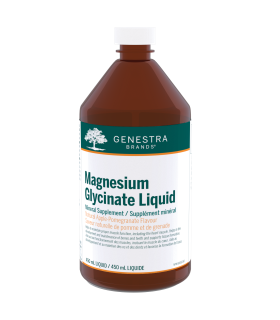
Magnesium Glycinate Liquid 450 ml
Product Code : GNS14480
Magnesium glycinate formulation Helps to maintain proper muscle function Helps to metabolize carbohydrates, protein and fat Magnesium glycinate is a gentle form of magnesium that is less likely to cause loose stools1,2 Helps in the development and maintenance of bones and teeth Helps to...
-25% IN CART
- Hidden Deal In Cart
- Out-of-Stock
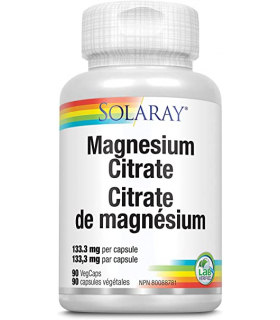
Magnesium Citrate 90 Capsules
Product Code : SOL41089
Solaray Magnesium Citrate is designed to support healthy heart function, healthy muscles and nerves, and more!
- Out-of-Stock
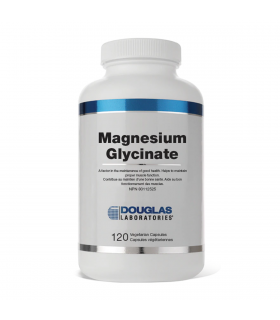
Magnesium Glycinate 120 Capsules
Product Code : DGL98017
Magnesium Glycinate capsules supply 120 mg of elemental magnesium from a magnesium glycinate complex. Clinical evidence indicates that magnesium glycinate has a significantly higher bioavailability compared to other forms of magnesium and in comparison, is less likely to cause a laxative effect....
- Hidden Deal In Cart
- Out-of-Stock
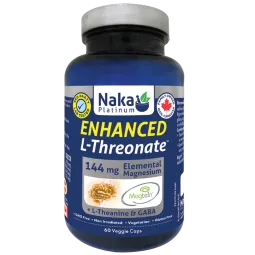
PRO L-Threonate Magnesium 144mg 60 Veggie Caps
Product Code : NKA75144
Helps to temporarily promote relaxation. Helps in energy metabolism, tissue formation and bone development. Helps to maintain normal electrolyte balance. Helps to maintain proper muscle function, including the heart muscle.
- -15%
- -15%

Magnesium Glycinate 120 Veggie Caps
Product Code : PLV80613
If you could take 1 supplement that would support your cardiovascular system, improve sleep, reduce anxiety, support bone density AND reduce muscle pain and spasm without side effects – Magnesium Glycinate does all that and more!
- -10%
- -10%
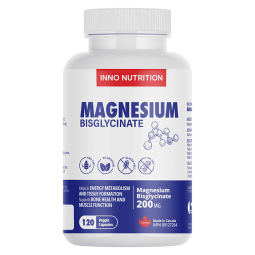
Magnesium Bisglycinate 200mg 120Capsules
Product Code : INN61284
Support your active lifestyle with Inno Nutrition Magnesium Glycinate 200mg, a premium, high-absorption magnesium supplement designed to support muscle recovery, heart health, and relaxation. Each vegan capsule provides 200mg of bioavailable magnesium for energy production, bone strength, and...

- -20%
- -20%