










Boost Your Energy Levels on Cold, Dark Days
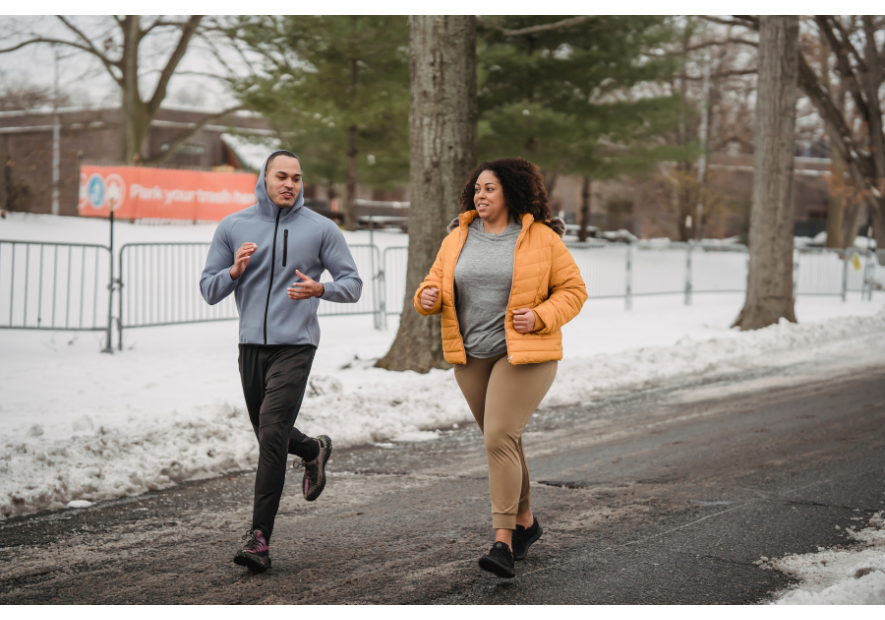
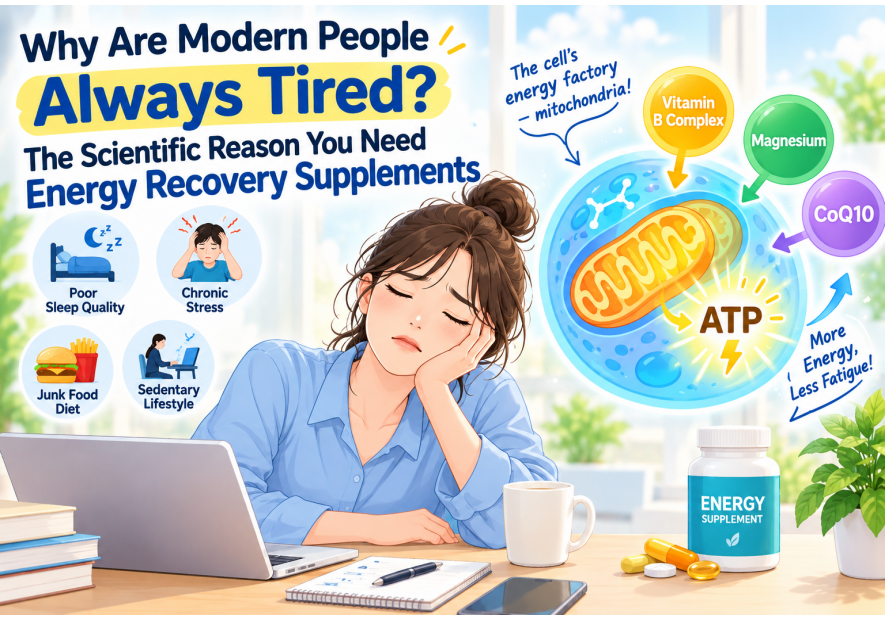
In winter, lack of sunlight, cold weather, increased indoor activities, and seasonal affective disorder (SAD) can all reduce our energy and make us lethargic. However, with just a few small changes, we can enjoy a lively winter again. In winter, when there is less sunlight, we can take supplements to meet the vitamin D deficiency, which can boost our immunity and relieve depression. Drinking warm tea or warming up our body with a warm soup can have a calming effect. Simple yoga, stretching, and home training at home can help improve blood circulation and boost energy. If you feel uneasy after trying various methods and your energy level is low to the point that it interferes with your daily life, it is recommended to seek professional help.
Why You Feel More Tired in Winter
Energy-Boosting Morning Routines
How to Use Superfoods to Stay Energized
The Role of Hydration in Fighting Winter Fatigue
Quick Workouts to Get Your Blood Flowing
Why You Feel More Tired in Winter
There are several complex factors that can cause you to feel particularly tired in the winter. The main causes are as follows:
Reduced sunlight:
In winter, the days are shorter and the sun rises later, reducing the amount of sunlight. This reduces vitamin D synthesis in the body and causes excessive secretion of melatonin (a sleep-inducing hormone), which can easily cause fatigue.
Physical changes due to cold weather:
In cold weather, the body consumes more energy to maintain body temperature. This can cause you to feel more tired. As metabolism slows down due to the cold, energy production decreases, and since the brain is an organ that consumes a lot of energy, it is easy to feel brain fatigue.
Reduced activity:
In winter, outdoor activities decrease and you spend more time indoors. Reduced physical activity slows down blood circulation and metabolism, which can easily cause fatigue.
Seasonal depression:
In winter, people often feel depressed and tired due to seasonal affective disorder (SAD). This can lead to a lack of energy and an overall feeling of low mood.
Nutrient deficiencies:
During the winter, the intake of fresh vegetables and fruits is reduced, which can lead to a lack of vitamins and minerals. This nutritional imbalance can lead to fatigue.
Energy-Boosting Morning Routines
A morning routine that helps you boost your energy and start your day with energy should include activities that wake up your body and mind. Here are some recommended morning routines:
Wake up at a set time:
A consistent wake-up time stabilizes your circadian rhythm and increases your energy level.
Drink a glass of water:
Your body tends to become dehydrated during sleep. Drinking a glass of warm water or lemon water in the morning will help replenish the water lost during the night and boost your metabolism, which will help boost your energy.
Easy exercise:
Light aerobic exercise (walking, light jogging, etc.) will help boost your energy quickly by stimulating your adrenaline production. Even a simple 5-10 minute workout will improve your blood circulation, relax your muscles, and relieve tension in your body.
Get some sunlight:
When you get natural light in the morning, your body suppresses the production of melatonin and activates serotonin, which improves your mood. It also helps produce vitamin D, which is important for your immunity and energy levels.
A balanced breakfast: A breakfast that includes protein, healthy fats, and complex carbohydrates, such as oatmeal, yogurt, nuts, fruit, and eggs, will keep you full and keep you energized.
How to Use Superfoods to Stay Energized
Superfoods are foods that contain a lot of nutrients that our body needs and help improve our health. Especially in winter, our immune system tends to weaken, but if we consistently consume superfoods, we can maintain our vitality and health. It is most effective to choose unprocessed, natural superfoods, and eat a variety of superfoods every day to maintain a balanced diet.
Berries:
Blueberries, strawberries, raspberries, etc. are rich in antioxidants and help prevent aging and strengthen our immune system. Try making a different salad by adding nuts, seeds, etc. Add fresh blueberries to your morning yogurt or oatmeal.
Nuts:
Almonds, walnuts, cashews, etc. are rich in unsaturated fatty acids, which are good for cardiovascular health, and provide energy by providing vitamins and minerals. Nuts are a nutritious snack that can be easily consumed. Eat a handful of almonds, walnuts, cashews, etc. as a snack every day. Nuts are rich in healthy fats and proteins, which provide a steady supply of energy.
Seeds:
Chia seeds, flax seeds, etc. are rich in omega-3 fatty acids, which are good for brain health, and are rich in fiber, which makes you feel full. Enjoy a simple meal with Greek yogurt, nuts, seeds, and fruits.
Green vegetables:
Broccoli, spinach, kale, etc. are rich in vitamins and antioxidants, which boost immunity and have anti-cancer effects. Add spinach to smoothies, salads, omelets, etc.
Grains:
Oats, quinoa, etc. are rich in fiber, which helps digestion and helps control blood sugar. Use quinoa instead of rice and eat it as a salad or side dish. Quinoa is rich in protein and fiber, which makes you feel full and stabilizes blood sugar levels.
Salmon:
Eat salmon 2-3 times a week in various ways, such as grilled, salad, and sushi. Salmon is rich in omega-3 fatty acids, which maintain heart health and reduce inflammation.
Avocado:
Add avocado to salads, toast, smoothies, etc. Avocados are rich in healthy fats and vitamin E, which are good for skin health and brain function.
The Role of Hydration in Fighting Winter Fatigue
In winter, we often feel particularly tired. This is because the cold weather and low temperatures make our bodies shrink and reduce our vitality. Therefore, drinking enough water even in winter can be a great help in overcoming fatigue.
Maintaining healthy skin:
In winter, the indoor and outdoor environments become very dry due to the use of heating and cold wind. This causes more moisture to evaporate from the skin and mucous membranes, making it easy for the skin to become dry. Healthy skin improves overall mood and energy levels.
Increased energy levels and body temperature regulation:
Water in the body plays an important role in body temperature regulation and helps generate energy within cells. In winter, the body burns more energy to cope with the low temperatures, so drinking enough water helps increase energy, smooth metabolism, and reduce fatigue.
Improved blood circulation:
When you are dehydrated, your blood can become sticky and circulation can be poor. This prevents sufficient oxygen and nutrients from being supplied to your muscles and organs, making you feel tired. Drinking enough water helps your blood circulation and supplies oxygen and nutrients to every part of your body, helping you gain energy and relieve fatigue.
Activates metabolism:
Drinking enough water helps activate metabolism, promotes energy production, and effectively removes toxins and waste from the body.
Improves concentration:
If you are dehydrated, oxygen and blood flow to the brain decreases, which can lead to decreased concentration and fatigue. Drinking enough water helps activate brain function, improves concentration, and improves work efficiency.
Quick Workouts to Get Your Blood Flowing
Toe Lifts:
Stand with your feet shoulder-width apart and slowly raise your toes. Hold for a few seconds, then slowly lower your heels to the floor. Repeat 10 to 15 times. Stimulates the calf muscles and improves blood circulation in your legs.
Ankle Rotations:
Sit on a chair and slightly lift your feet off the floor. Slowly rotate one ankle clockwise 10 times, then counterclockwise. Repeat with the other foot. This relaxes the ankle and calf muscles and helps improve blood circulation to your legs.
Finger and Toe Stretches:
Spread your fingers straight out and clench them into a fist 10 to 15 times. Spread your toes straight out and close them 10 times. This improves blood circulation in the peripheral blood vessels and helps prevent numbness in your hands and feet.
Neck Rotations:
Sit or stand and slowly turn your head to one side. Repeat in the opposite direction. Do 5 to 10 times in each direction. It relaxes the neck and shoulder muscles and promotes blood circulation in the upper body.
Light walking:
Walk lightly indoors or outdoors for 5 to 10 minutes. Be conscious of rolling your feet from heel to toe. It helps to activate blood circulation throughout the body and reduce leg swelling.
Arm rotation:
Slowly rotate your arms in a circle with your arms out to the side. Repeat 10 times in one direction and 10 times in the opposite direction. It relaxes the shoulder and arm muscles and helps blood circulation in the upper body.
source:
1. 10 Ways to Boost Your Energy During the Winter
https://www.hss.edu/article_boost-energy.asp
2. Tips to Keep your Mood and Energy Elevated Through the Season
https://markhamnaturopaths.com/2017/01/24/surviving-the-winter-tips-to-elevate-mood-energy/
3. Tired in winter? Here's the science behind seasonal fatigue
https://www.livescience.com/tired-in-winter-the-science-behind-seasonal-fatigue
4. Best morning routine: 21 steps for a more productive day
https://asana.com/resources/best-morning-routine
5. Superfoods That Boost Energy
https://www.aarp.org/health/healthy-living/info-2022/superfoods-for-increased-energy.html
6. Why Hydration is So Important to Your Health in the Winter Months!
https://www.zerowater.com/blogs/filtration/

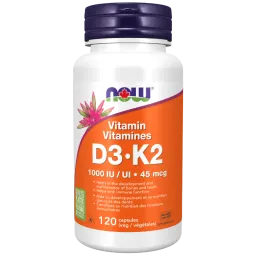
Vitamin D3 & K2, 120 Veg Capsules
Product Code : NOW80369
Get NOW Foods's exclusive deal BEFORE it's gone! Helps in the development and maintenance of bones and teeth Critical bone building nutrients Vit D3 1,000 IU / Vit K2 45 mcg
- -25%
- -25%
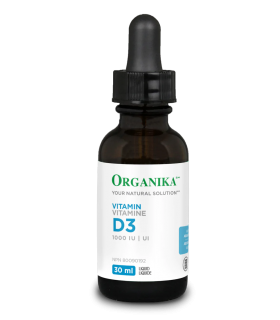
Vitamin D3 Liquid 1000IU 30 ml
Product Code : ORG03126
Vitamin D3 is a nutrient that plays an important role in building strong bones and teeth while also regulating the body’s calcium and phosphorus levels.
- Out-of-Stock
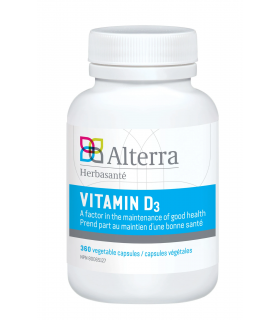
Vitamin D3 360 Capsules
Product Code : ALT06000
Recommended Use: Helps in the development and maintenance of bones and teeth Helps in the absorption and use of calcium and phosphorus Calcium intake, when combined with sufficient Vitamin D, a healthy diet and regular exercise may reduce the risk of developing osteoporosis Helps to prevent...
-5% IN CART
- Out-of-Stock
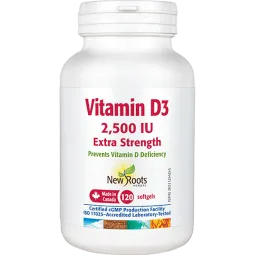
Vitamin D3 2,500 IU Extra Strength 120 Softgels
Product Code : NRT02738
Each easy swallow softgel of Extra Strength Vitamin D3 (cholecalciferol) contains 2,500 IU of this critical vitamin for good health. This is the current maximum dosage recommended by Health Canada without a prescription to help prevent vitamin D3 deficiency.
-15% IN CART
- Hidden Deal In Cart
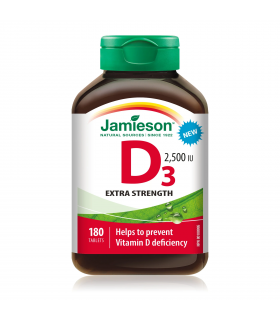
Vitamin D 2500 IU 180 Tablets
Product Code : JMS09658
Jamieson Extra Strength Vitamin D3 is a great way to boost your intake of Vitamin D with a higher potency dose in a convenient single serving
- -15%
- -15%
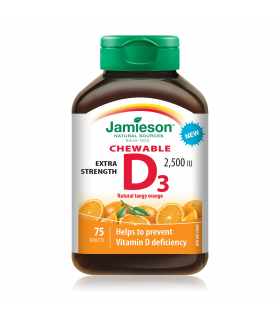
Vitamin D3 Ex Strength 2,500 IU 75 Chewable Tablets
Product Code : JMS09753
Jamieson’s Extra Strength Vitamin D3 Chewables are great tasting and deliver 2,500 IU of pure, naturally sourced vitamin D3 to help prevent vitamin D deficiency. This extra strength formula is great way to boost your intake of Vitamin D with a higher potency dose in a convenient single serving.
- -15%
- -15%
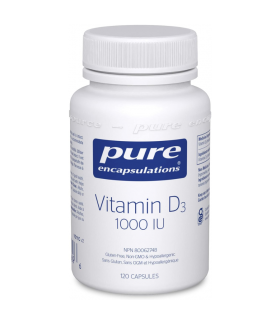
Vitamin D3 1000 IU 120 Capsules
Product Code : PUR01669
Vitamin D3 naturally supports calcium absorption and retention within bones to promote optimal bone health. Vitamin D3 also supports colon health by promoting healthy cellular function.
-25% IN CART
- Hidden Deal In Cart
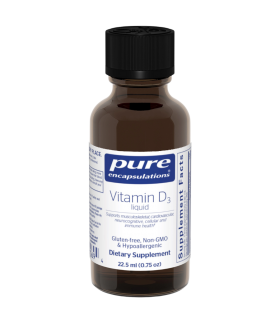
Vitamin D3 liquid 22.5 ml
Product Code : PUR01078
99 Provides 1000 IU of vitamin D3 per day Convenient once-daily liquid format
-25% IN CART
- Hidden Deal In Cart
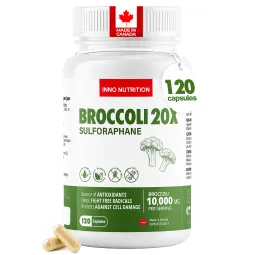
Broccoli 1000 120 Capsules
Product Code : INN61247
Antioxidant and Detox The Superfood enriched with natural vitamin and mineral BROCCOLI 1000 contains a naturally occurring compound found in cruciferous vegetables like broccoli, bok choy, cabbage and more. A number of studies have shown Sulforaphane may provide powerful health benefits. It...

- -20%
- -20%
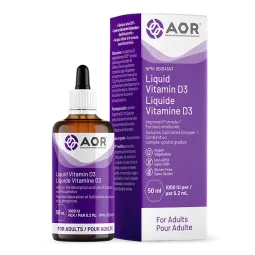
Vitamin D3 Liquid (Adult) 50 mL
Product Code : AOR04193
Helps in the absorption and use of calcium and phosphorus Vitamin D3 in a convenient liquid form Helps the absorption and use of calcium and phosphorus Includes calibrated dropper for accurate dosing
-15% IN CART

Acai Berry 100X 180SG
Product Code : INN10130
Superior Nutrient Absorption Super Antioxidants Immune Special
- -20%
- -20%
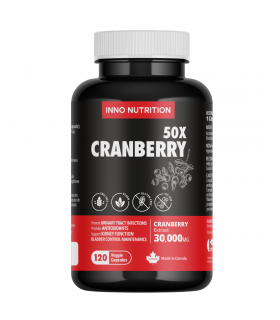
Cranberry 600mg 120VCaps
Product Code : INN61253
CLINICALLY VALIDATED: 600mg of Canadian ORGANIC Cranberry capsules Ultra-concentrated 50:1, 30,000mg equivalent of pure & potent Extract uti d mannose supplements NATURALLY ANTIOXIDANT-RICH: Urinary Tract Supplement, LDL cholesterol Cognitive Function, d'mannose, gut health, uti prevention...
- -20%
- -20%