










Boosting Summer Energy with Foods and Supplements

Common health problems that occur during the summer include digestion, sleep, hydration, skin protection, dehydration, bloating, constipation, rashes, fatigue, and sensitivity. Using nutritious foods and supplements to avoid these problems and boost your summer energy can be very effective. Also, moderate exercise can help increase your energy levels and improve your mood. Meditation, yoga, and deep breathing exercises can help reduce stress and boost your energy levels. Maintaining a balanced diet, drinking plenty of water, and ensuring adequate sleep and physical activity are also important factors in maintaining high energy levels. Learn about vitamins, minerals, fruits, and vegetables that can help boost your summer energy.
Vitamins and Minerals for Energy Enhancement
Fruits and Vegetables for Energy Boost
Importance of Protein and How to Consume It
Drinks for Summer Energy Recovery
Recommended Supplements for Summer
Vitamins and Minerals for Energy Enhancement
Vitamins and minerals play a vital role in energy metabolism and overall vitality. Here are some of the key nutrients known for their energy-boosting effects:
Vitamin B Complex:
Vitamin B12 directly contributes to energy levels and is essential for overall vitality. Another vitamin, vitamin B6, supports energy production at the cellular level. Vitamin B9 folate is involved in energy metabolism and helps combat fatigue. Vitamin B3 niacin plays a vital role in energy metabolism and may help reduce fatigue.
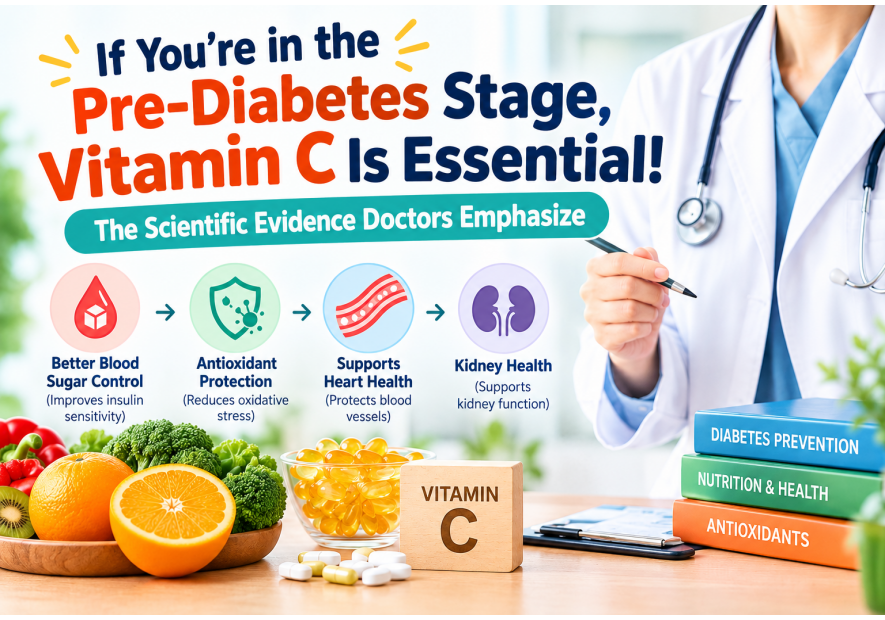
Vitamin C:
While often associated with immune health, vitamin C also helps produce energy. It is involved in the synthesis of carnitine, a molecule that helps transport fatty acids into the mitochondria to produce energy.
Vitamin D:
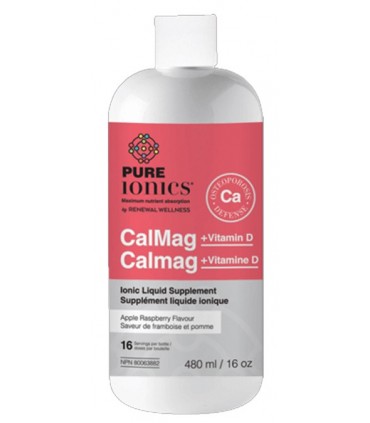
Adequate vitamin D levels are important for overall well-being, including energy maintenance. You can get it naturally from sunlight, but taking it as a supplement can help boost your immune system and increase energy.
Magnesium:
It is involved in over 300 biochemical reactions in the body, including those related to energy production and muscle function, and a deficiency can lead to fatigue.
Zinc:
Supports enzyme function in metabolism and helps the body produce energy.
Omega-3 fatty acids:
Omega-3s, which can be found in fish oil or flaxseed oil, help improve brain function and reduce inflammation.
Fruits and Vegetables for Energy Boost
Fruits and vegetables are great sources of vitamins, minerals, fiber, and antioxidants, which naturally boost your energy levels. Fresh fruits and vegetables generally provide more nutrients and energy than processed ones. Including a variety of fruits and vegetables in your meals and snacks can help keep your energy levels high throughout the day. It’s a good idea to choose seasonal fruits and vegetables when possible, as they tend to be higher in nutrients.
Fruits:
Bananas are rich in carbohydrates, potassium, and vitamin B6, which can help boost your energy. Apples are a good source of fiber and vitamin C, and their natural sugars provide sustained energy without causing a sudden blood sugar spike. Oranges are packed with vitamin C and natural sugars, which give you a quick energy boost. Mangos are loaded with natural sugars, vitamins A and C, and fiber, which give you a quick energy boost. Avocados are rich in healthy fats, fiber, and vitamin B, which help maintain your energy levels.
Vegetables:
Spinach is rich in iron, magnesium, and potassium, which are essential for energy metabolism. Sweet potatoes provide complex carbohydrates, fiber, and vitamins A and C for sustained energy. Beets contain natural nitrates that can improve blood flow and energy levels. Carrots are rich in fiber, beta-carotene, and vitamins that boost energy. Broccoli is rich in vitamins C, K, and fiber that help with energy metabolism. Asparagus provides vitamins A, C, E, K, and folate, which are important for energy. Tomatoes contain vitamins C and E, iron, and antioxidants for energy.
Importance of Protein and How to Consume It
Proteins are essential for the formation of many important components of the body, including muscles, organs, enzymes, and hormones, and play an important indirect role in helping the body use and store energy efficiently. Proteins make enzymes that facilitate various biochemical reactions involved in energy production. For example, many enzymes involved in energy metabolism are made of proteins. Proteins are components of several hormones that help regulate metabolism in the body. Hormones such as insulin and glucagon play an important role in maintaining energy balance by regulating blood sugar levels. In everyday situations, the body primarily uses carbohydrates and fats as energy sources. Carbohydrates are a quick source of energy, while fats are suitable for long-term energy storage and use. Proteins are used as a supplemental energy source when carbohydrates and fats are insufficient or are needed in certain situations.
Protein intake is essential for maintaining the health and energy metabolism of the body. It is recommended to have a source of protein at each meal and snack to ensure consistent intake throughout the day. The recommended daily protein intake varies depending on factors such as age, weight, and activity level. The American Academy of Medicine recommends about 0.8 g of protein per kilogram of body weight for adults. A 140-pound person needs about 50 grams of protein per day. Older people may benefit from increasing their protein intake to prevent muscle loss. They need about 1.0 to 1.2 grams per kilogram of body weight. Mix animal and plant proteins for a variety of nutrient profiles. Good animal sources include fish, poultry, lean beef or pork, eggs, and dairy products. Combine these with plant proteins such as nuts, seeds, legumes (beans, peas, lentils), and grains (wheat, rice, corn) to ensure you get all the essential amino acids. Balance is key. Too much protein can cause side effects such as fatigue and constipation.
Drinks for Summer Energy Recovery
Staying hydrated and maintaining your energy levels during the summer is crucial, especially if you’re active. When it comes to refreshing summer drinks that can help you regain your energy, here are a few options to consider:
Watermelon Juice:
Watermelon is hydrating and full of vitamins A, C, and B6. It also contains amino acids like L-citrulline, which can help reduce muscle soreness.
Coconut Water:
Rich in electrolytes like potassium, magnesium, and sodium, coconut water can help replenish lost fluids and electrolytes. Simply drink fresh, packaged coconut water. Add lemon or lime for extra flavor.
Green Tea or Matcha Iced Tea:
Brew green tea or dissolve matcha powder in hot water. It contains caffeine and L-theanine, which can provide a steady energy boost. Sweeten with honey and add a slice of lemon if desired.
Protein Shake:
Provides a quick burst of protein, which is essential for muscle recovery and sustained energy.
Electrolyte drinks:
They help maintain energy and hydration levels by replenishing electrolytes lost after sweating. Mix a pinch of salt, a teaspoon of honey, and a squeeze of lemon or orange juice in water.
Recommended Supplements for Summer
Summer is a time of increased outdoor activity in the heat, so it’s important to maintain optimal health and energy levels. With heat and UV rays being the main topics of conversation during the summer, here are some essential supplements to help you stay healthy and protect your skin.
Vitamin C:
This antioxidant helps limit sun damage by protecting against UV damage caused by free radicals. It’s not a replacement for sunscreen, but it does complement your skin’s defenses. It supports immune function, skin health, and helps combat oxidative stress caused by sun exposure.
Vitamin E:
Vitamin E is a powerful antioxidant that helps prevent skin damage caused by ultraviolet (UV) rays, helps maintain skin moisture, and prevents premature aging. Protecting your skin is even more important during the summer months, as we spend more time in the sun. Vitamin E plays a vital role in strengthening your immune system, helping to protect your body from infections and diseases. With more outdoor activity during the summer months, you need to boost your immune system.
Omega-3:
This fatty acid offers a variety of health benefits, including supporting brain, heart, and eye health. Omega-3s are beneficial year-round, but are especially beneficial for skin health during the summer. Supports heart health, reduces inflammation, and helps maintain healthy skin.
Vitamin B Complex:
Important for energy production and fatigue reduction. Choose a vitamin B complex supplement that includes B1, B2, B3, B5, B6, B7, B9, and B12.
Collagen:
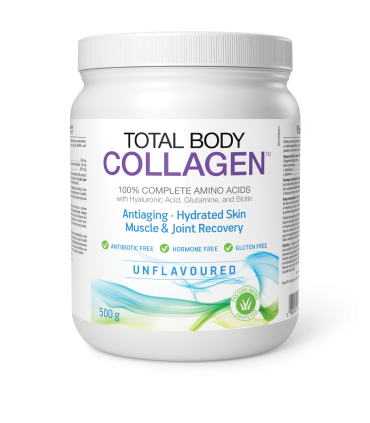
Supports skin health, which can be affected by sun exposure and heat. Choose a product with hydrolyzed collagen peptides for better absorption.
Source:
1. The 10 best minerals and vitamins for energy - Heights. https://www.yourheights.com/blogs/supplements/vitamins-for-energy.
2. 5 fruits and vegetables for natural energy - Deseret News. https://www.deseret.com/2023/9/11/23868567/5-fruits-and-vegetables-for-natural-energy-top-choice-list/.
3. 8 Juicer Recipes for Energy | Elise Tries To Cook.
https://elisetriestocook.com/juicer-recipes-for-energy/.
4. Daily Protein Requirements: How Much Do You Really Need? - WebMD.
https://www.webmd.com/food-recipes/protein.
5. Summer Drink Recipes.
https://www.allrecipes.com/recipes/2777/everyday-cooking/seasonal/summer/drinks/.

Leave a comment