










Do You Really Need 8 Hours of Sleep?
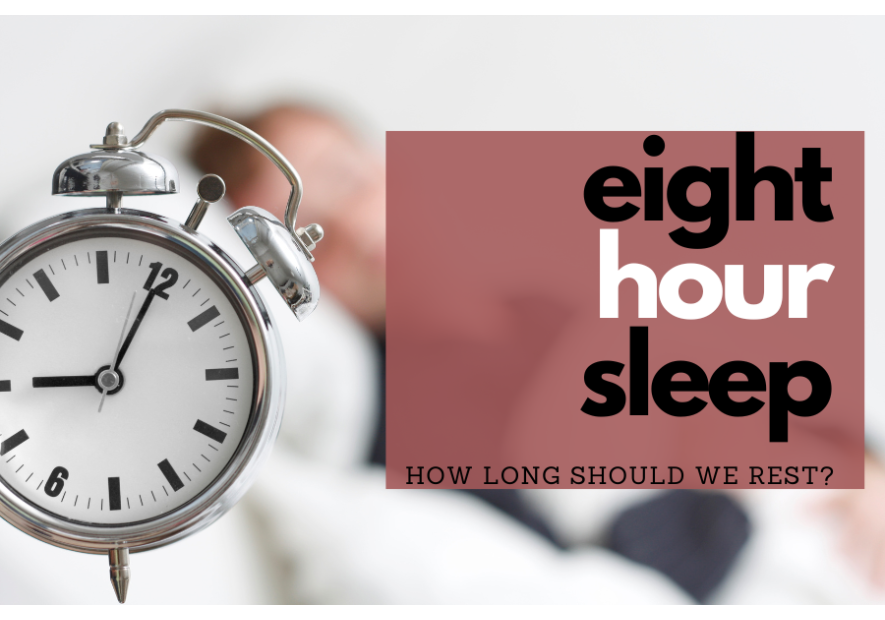
Do You Really Need 8 Hours of Sleep Every Night?
In our fast-paced world, sleep often takes a backseat to productivity. The age-old adage of needing eight hours of sleep nightly is frequently challenged. But is this benchmark still relevant, or is it time to rethink our sleep strategies? Let's delve into the science behind sleep to uncover the truth.
Table of Contents
Check out Key Takeaways at the end for a quick summary
How Much Sleep Do You Actually Need?
The "8-hour rule" serves as a general guideline, but individual sleep requirements can vary. According to the American Academy of Sleep Medicine and the Sleep Research Society, adults should aim for at least 7 hours of sleep per night to promote optimal health. Factors influencing sleep needs include age, lifestyle, health status, and individual variability. For instance, during periods of illness or recovery, more sleep may be beneficial. Conversely, some individuals may feel rested with slightly less than 8 hours, provided the sleep is of good quality.
Notably, a large-scale study published in Sleep Health found that consistently sleeping less than 6 hours increases the risk of chronic conditions, including heart disease and diabetes. Yet, sleep quality—not just quantity—plays a critical role in how rested a person feels.
What Happens to Your Body When You Don't Get Enough Sleep?
Chronic sleep deprivation doesn't just lead to daytime fatigue; it has profound effects on overall health. Short-term consequences include impaired memory, reduced attention span, and decreased performance. Over time, insufficient sleep is linked to a higher risk of obesity, diabetes, cardiovascular disease, and depression.
Sleep deprivation also disrupts the balance of ghrelin and leptin—hormones that control hunger and satiety—causing an increase in appetite, particularly for high-calorie foods. Additionally, the immune system suffers: sleep-deprived individuals are more susceptible to infections, including the common cold.
Interestingly, oversleeping isn't without its drawbacks either. Studies have linked regularly sleeping more than 9 hours to cognitive decline and increased inflammation, especially among people with underlying mental health conditions.
Can You Catch Up on Lost Sleep?
The concept of "sleep debt" refers to the cumulative effect of not getting enough sleep. While it's tempting to think that sleeping in on weekends can compensate for weekday sleep loss, research suggests otherwise. A 2019 study in Current Biology concluded that weekend recovery sleep does not reverse the metabolic consequences of sleep deprivation (Depner et al., 2019).
While occasional extra rest may improve mood and alertness temporarily, it doesn't fully counteract the long-term effects of chronic sleep loss. Experts emphasize that consistent sleep habits are more beneficial than sporadic attempts to make up for missed sleep.
That said, some studies do suggest that "sleep banking"—getting extra rest in anticipation of sleep deprivation—can reduce performance deficits. But it’s a temporary fix, not a permanent solution (Rupp et al., 2009).
Best and Worst Foods for a Good Night's Sleep
Diet plays a significant role in sleep quality. Consuming certain foods and beverages close to bedtime can either hinder or help your sleep.
Foods to Avoid Before Bed:
- Spicy Foods: Can cause heartburn and disrupt sleep (Gastroenterology Nursing, 2011).
- High-Fat or Fried Foods: Slow digestion and may lead to discomfort (Journal of Clinical Sleep Medicine, 2016).
- Caffeine & Alcohol: Caffeine delays sleep onset, and while alcohol might help you fall asleep, it reduces REM sleep (Roehrs & Roth, 2001).
Foods That May Promote Sleep:
- Nuts and Seeds: Contain melatonin and magnesium (National Sleep Foundation, 2022).
- Tart Cherries or Cherry Juice: A natural source of melatonin shown to improve sleep duration (Pigeon et al., 2010).
- Warm Milk or Yogurt: Dairy contains tryptophan, a precursor to serotonin and melatonin (Hartmann, 1982).
Timing is also essential. Experts—including those at Columbia University Irving Medical Center—recommend finishing meals at least 2-3 hours before bedtime to allow for proper digestion and reduce the risk of sleep disturbances (Columbia University Irving Medical Center, 2024).
The Science Behind Power Naps: How Long is Ideal?
Short naps can be a powerful tool for enhancing alertness, mood, and performance. However, the length of the nap significantly affects its benefits.
- 10-Minute Nap
- Research shows that naps lasting 10 minutes improve alertness and cognitive performance without sleep inertia (Brooks & Lack, 2006).
- 20-30 Minute Nap
- A 30-minute nap improves memory and learning but may result in short-term grogginess (Hayashi et al., 2003). This duration strikes a balance between restorative benefits and minimal inertia.
- NASA's 26-Minute Nap
- NASA's study with pilots found that a 26-minute nap enhanced alertness by 54% and performance by 34% (NASA Ames Research Center, 1995).
Napping too late in the day, however, can disrupt nighttime sleep. The best time for a power nap is generally early-to-mid afternoon, when the circadian dip in alertness occurs.
Key Takeaways
- Individual Sleep Needs Vary: While 8 hours is a general guideline, adults should aim for at least 7 hours of sleep per night to promote optimal health, with individual needs influenced by age, lifestyle, and health status.
- Quality Over Quantity is Key: Sleep quality, not just the duration, plays a critical role in how rested a person feels, and consistently sleeping less than 6 hours increases the risk of chronic conditions.
- "Sleep Debt" Has Limits: While occasional extra rest may temporarily improve mood and alertness, research suggests that weekend recovery sleep does not reverse the metabolic consequences of chronic sleep deprivation.
- Diet Significantly Impacts Sleep: Certain foods like spicy or high-fat meals, caffeine, and alcohol can disrupt sleep, while foods rich in melatonin, magnesium, or tryptophan (such as nuts, tart cherries, and warm milk) can promote better sleep.
- Strategic Napping Boosts Performance: Short naps can enhance alertness, mood, and performance, with 10-minute naps improving cognitive performance without sleep inertia, and 20-30 minute naps aiding memory and learning.
Final Thoughts
While the "8-hour rule" is a helpful guideline, sleep is deeply personal. The key isn't just the quantity but the quality and consistency of rest. Chronic sleep deprivation carries severe health consequences, while oversleeping also has its risks. Nutrition, lifestyle habits, and strategic napping all influence how well we sleep.
For those looking to optimize their sleep, lifestyle changes are the first step. However, sleep-supporting supplements may offer additional benefits. Products containing magnesium, melatonin, or L-theanine have shown promise in promoting relaxation and sleep quality. As a Canadian supplement seller, we proudly offer high-quality options for those looking to improve their sleep health—always manufactured to meet the highest standards. However, be sure to consult your healthcare provider before beginning any new supplement regimen.
Sweet dreams start with informed choices.
Sources/Further Reading
- Kingshott R. Seven or more hours of sleep per night: A health necessity for adults - American Academy of Sleep Medicine . American Academy of Sleep Medicine – Association for Sleep Clinicians and Researchers. Published June 2015. https://aasm.org/seven-or-more-hours-of-sleep-per-night-a-health-necessity-for-adults/
- Watson NF, Badr MS. Recommended Amount of Sleep for a Healthy Adult: A Joint Consensus Statement of the American Academy of Sleep Medicine and Sleep Research Society. Sleep. 2015;38(6):843-844. doi:https://doi.org/10.5665/sleep.4716
- John Hopkins Medicine. The Effects of Sleep Deprivation. Johns Hopkins Medicine Health Library. Published 2019. https://www.hopkinsmedicine.org/health/wellness-and-prevention/the-effects-of-sleep-deprivation
- Spiegel K, Leproult R, L’Hermite-Balériaux M, Copinschi G, Penev PD, Van Cauter E. Leptin Levels Are Dependent on Sleep Duration: Relationships with Sympathovagal Balance, Carbohydrate Regulation, Cortisol, and Thyrotropin. The Journal of Clinical Endocrinology & Metabolism. 2004;89(11):5762-5771. doi:https://doi.org/10.1210/jc.2004-1003
- Prather AA, Janicki-Deverts D, Hall MH, Cohen S. Behaviorally Assessed Sleep and Susceptibility to the Common Cold. Sleep. 2015;38(9):1353-1359. doi:https://doi.org/10.5665/sleep.4968
- Grandner MA, Drummond SPA. Who are the long sleepers? Towards an understanding of the mortality relationship. Sleep Medicine Reviews. 2007;11(5):341-360. doi:https://doi.org/10.1016/j.smrv.2007.03.010
- Depner CM, Melanson EL, Eckel RH, et al. Ad libitum Weekend Recovery Sleep Fails to Prevent Metabolic Dysregulation during a Repeating Pattern of Insufficient Sleep and Weekend Recovery Sleep. Current Biology. 2019;29(6):957-967.e4. doi:https://doi.org/10.1016/j.cub.2019.01.069
- Newsom R. Sleep Debt: The Hidden Cost of Insufficient Rest. Sleep Foundation. Published January 16, 2024. https://www.sleepfoundation.org/how-sleep-works/sleep-debt-and-catch-up-sleep
- Rupp TL, Wesensten NJ, Bliese PD, Balkin TJ. Banking Sleep: Realization of Benefits During Subsequent Sleep Restriction and Recovery. Sleep. 2009;32(3):311-321. doi:https://doi.org/10.1093/sleep/32.3.311
- Roehrs T, Roth T. Sleep, Sleepiness, and Alcohol Use. Alcohol Research & Health: The Journal of the National Institute on Alcohol Abuse and Alcoholism. 2001;25(2):101-109. https://pubmed.ncbi.nlm.nih.gov/11584549/
- Hartmann E. Effects of L-tryptophan on sleepiness and on sleep. Journal of Psychiatric Research. 1982;17(2):107-113. doi:https://doi.org/10.1016/0022-3956(82)90012-7
- Brooks A, Lack L. A Brief Afternoon Nap Following Nocturnal Sleep Restriction: Which Nap Duration is Most Recuperative? Sleep. 2006;29(6):831-840. doi:https://doi.org/10.1093/sleep/29.6.831
- Hayashi M, Watanabe M, Hori T. The effects of a 20 min nap in the mid-afternoon on mood, performance and EEG activity. Clinical Neurophysiology. 1999;110(2):272-279. doi:https://doi.org/10.1016/s1388-2457(98)00003-0
- Pigeon WR, Carr M, Gorman C, Perlis ML. Effects of a Tart Cherry Juice Beverage on the Sleep of Older Adults with Insomnia: A Pilot Study. Journal of Medicinal Food. 2010;13(3):579-583. doi:https://doi.org/10.1089/jmf.2009.0096
- Suni E. The Best Foods to Help You Sleep. Sleep Foundation. Published April 12, 2024. https://www.sleepfoundation.org/nutrition/food-and-drink-promote-good-nights-sleep
- Columbia University Irving Medical Center. Eat Right to Sleep Right. ColumbiaDoctors. Published March 5, 2024. https://www.columbiadoctors.org/news/eat-right-sleep-right
- St-Onge MP, Roberts A, Shechter A, Choudhury AR. Fiber and Saturated Fat Are Associated with Sleep Arousals and Slow Wave Sleep. Journal of Clinical Sleep Medicine. 2016;12(01):19-24. doi:https://doi.org/10.5664/jcsm.5384
- Chen J, Brady P. Gastroesophageal Reflux Disease. Gastroenterology Nursing. 2019;42(1):20-28. doi:https://doi.org/10.1097/sga.0000000000000359
- Rosekind MR, Graeber RC, Dinges DF, et al. Crew Factors in Flight Operations 9: Effects of Planned Cockpit Rest on Crew Performance and Alertness in Long-Haul Operations.; 1994. https://ntrs.nasa.gov/citations/19950006379

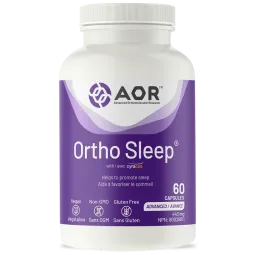
Ortho Sleep, 60 Capsules
Product Code : AOR04186
Improves overall sleep & helps with jet lag The most comprehensive, natural sleep formula available Helps one fall asleep, stay asleep and wake up feeling refreshed Increase total sleep time for those with sleep restrictions ( shift work, jet-lag) to reset circadian rhythm Bronze winner...
-10% IN CART
- Out-of-Stock
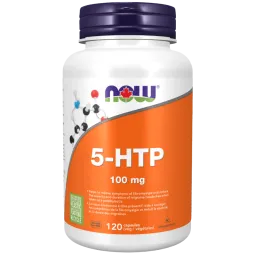
5-HTP 100 mg, 120 Capsules
Product Code : NOW80106
Helps to relieve symptoms of fibromyalgia Reduces the severity and duration of migraine headaches when taken as a prophylactic Vegetarian / Vegan Natural Source
- -25%
- -25%
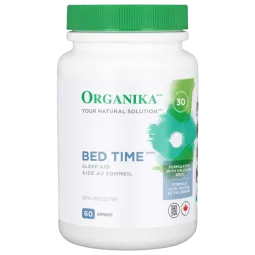
Bedtime 60 Capsules
Product Code : ORG03969
Organika has created a unique combination of herbs that promote sleep and relaxation.Valerian and 5-HTP are considered highly effective to establish long-time sleep habits. Passion Flower is known primarily as a mild sedative. It contains methylbutenol, which can help relieve indigestion,...
- Out-of-Stock
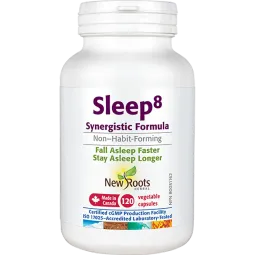
Sleep 120 Capsules
Product Code : NRT01807
Sleep more, sleep better, sleep eight.
-10% IN CART
- Hidden Deal In Cart
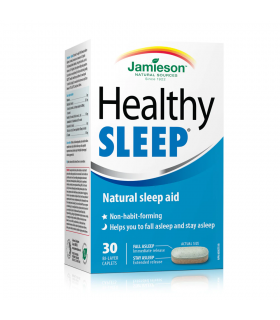
Healthy Sleep 30 Caplets
Product Code : JMS07799
Healthy SLEEP® is a non habit-forming natural sleep aid that helps reduce the time it takes to fall asleep, increases total sleep time and improves sleep quality.
- -15%
- -15%
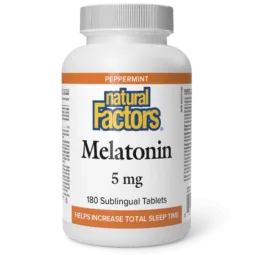
Melatonin 5 mg Peppermint, 180 Sublingual Tablets
Product Code : NFT02718
Helps reset the body’s sleep-wake cycle (an aspect of the circadian rhythm) Helps increase total sleep time in people experiencing sleep restriction or altered sleep schedules Helps reduce the time it takes to fall asleep in people who fall asleep slowly Helps prevent or reduce the effects...
- -15%
- -15%
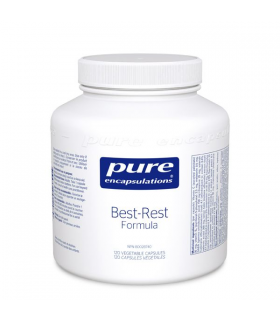
Best-Rest Formula 120 Capsules
Product Code : PUR01207
Features deodorized valerian root extract Convenient capsule format
-25% IN CART
- Hidden Deal In Cart
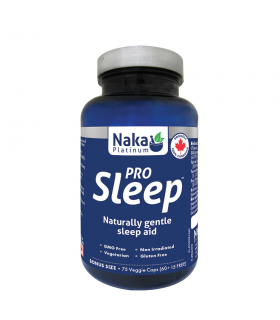
Platinum Pro Sleep 75 Vegi Capsules
Product Code : NKA74663
Helps to temporarily promote relaxation. Helps relieve nervousness. Used as a sleep aid.
- -15%
- -15%
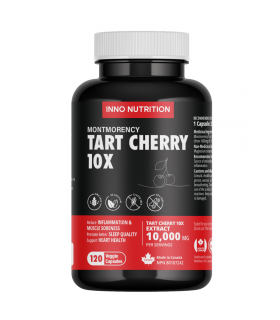
Tart Cherry 10X 120 Capsules
Product Code : INN61214
100% Natural Antioxidants Made with Montmorency Tart Cherries o Anti-Inflammatory Properties o Promotes Healthy Joints & Connective Tissues o Balances Uric Acid Levels o Sleep Aid

- -20%
- -20%
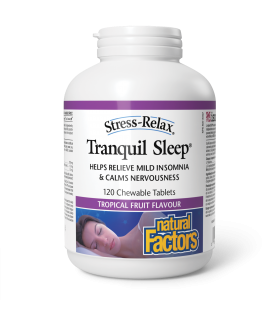
Tranquil Sleep, Tropical Fruit, Stress-Relax 120 Chewable Tablets
Product Code : NFT02843
Helps to temporarily promote relaxation Helps reduce the time it takes to fall asleep in people who fall asleep slowly Helps increase the total sleep time in people experiencing sleep restriction or altered sleep schedules Helps prevent or reduce the effects of jet lag (e.g. daytime fatigue,...
- -15%
- -15%
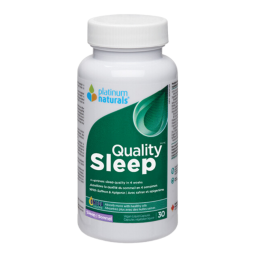
Quality Sleep 30 Capsules
Product Code : PLT03371
Quality Sleep™ by Platinum Naturals combines herbal medicine with modern science to provide restful sleep without melatonin. Featuring Affron®, a clinically proven saffron extract, this formula enhances sleep quality in just four weeks. Key nutrients help reduce restlessness and support a natural...
- -10%
- -10%
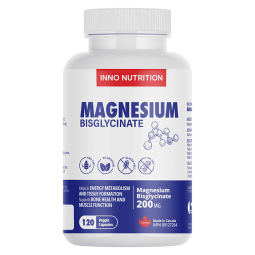
Magnesium Bisglycinate 200mg 120Capsules
Product Code : INN61284
Support your active lifestyle with Inno Nutrition Magnesium Glycinate 200mg, a premium, high-absorption magnesium supplement designed to support muscle recovery, heart health, and relaxation. Each vegan capsule provides 200mg of bioavailable magnesium for energy production, bone strength, and...
- -20%
- -20%