












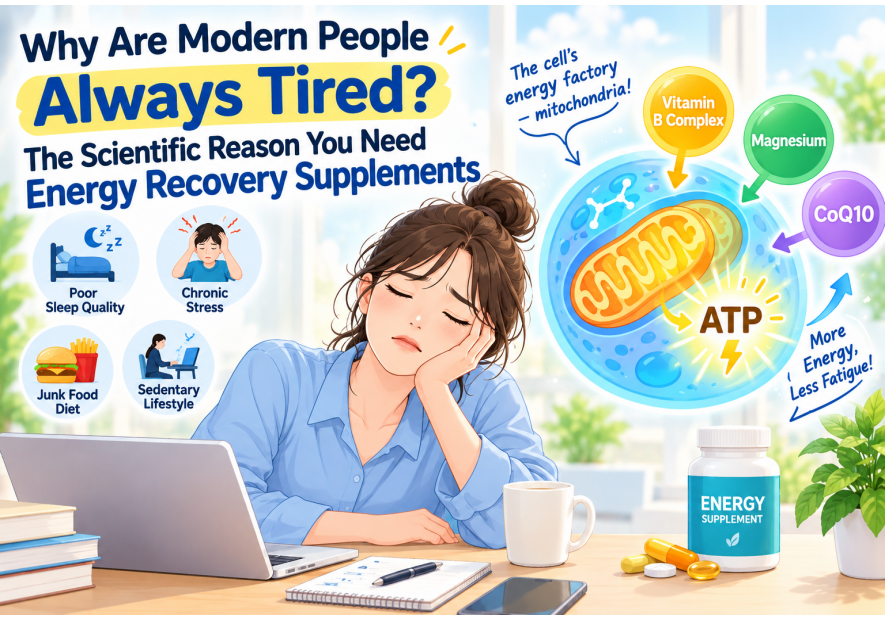

Navigating Menopause: Understanding Symptoms and Mitigating Dementia Risks
Just as there are four seasons in nature, our bodies also have spring, summer, fall and winter. Usually, the period from birth through infancy to adolescence is compared to spring, youth in the 20s and 40s to summer, middle age in the 50s to 60s to fall, and old age after 70s to winter. In middle age, as sex hormone secretion decreases, menstruation stops, reproductive function is lost, and women enter menopause. Women are more likely to develop dementia as they experience hormonal changes during menopause. Additionally, research has shown that anxiety and worry during menopause greatly increases the risk of dementia. Women with severe anxiety had a 2.35 times higher risk of developing dementia than those without anxiety, or 135%.
Exploring the Link Between Menopause Symptoms and Dementia
Strategies for Alleviating Dementia Risk Factors
Essential Nutrients to Support Brain Health During Menopause
Balancing Menopause Symptoms for Cognitive Wellness
Exploring the Link Between Menopause Symptoms and Dementia
Exploring the link between menopausal symptoms and dementia is a topic of increasing interest in medical research. Several large studies have examined the relationship between menopause and dementia risk. Women have a higher incidence of Alzheimer's dementia than men. This is because brain changes occur during menopause that can increase the risk of dementia. The American Heart Association looked at health data from 153,291 women in the UK in March 2022. Because this was an observational study, we could not pinpoint a specific reason for the link between early menopause and increased risk of dementia. Women who enter menopause at age 45 are 30% more likely to be diagnosed with dementia before age 65 compared to women who end menopause at age 50 (the average age for menopause to end).
In conclusion, although research investigating the association between menopausal symptoms and dementia is ongoing, the exact nature of this relationship remains complex and multifaceted. It is clear that hormonal changes associated with menopause can affect many aspects of health, including cognitive function. However, more research is needed to elucidate the mechanisms involved and develop strategies to mitigate potential risks.
Strategies for Alleviating Dementia Risk Factors
Mitigating dementia risk factors requires a multifaceted approach that addresses different aspects of lifestyle, health and behavior. Although some risk factors, such as age and genetics, are beyond our control, there are several strategies that individuals can adopt to potentially reduce their risk of developing dementia.
Regular physical exercise: Participating in regular physical activity is associated with a reduced risk of cognitive decline and dementia. Exercise improves blood flow to the brain, promotes the growth of new brain cells, and improves overall brain function. Aim for at least 150 minutes of moderate-intensity aerobic exercise each week along with strength training.
Healthy diet: Following a balanced, nutritious diet can support brain health and reduce the risk of dementia. Focus on eating a variety of fruits, vegetables, whole grains, lean proteins, and healthy fats. Limit your intake of processed foods, sweet snacks, and excessive amounts of saturated and trans fats.
Healthy Habits: What's good for your heart is often good for your brain. Manage cardiovascular risk factors by maintaining a healthy weight, controlling blood pressure and cholesterol levels, not smoking, and limiting alcohol consumption. Poor cardiovascular health can increase your risk of conditions such as stroke and heart disease, which are associated with a higher risk of dementia. Studies have shown that drinking more than 12 alcoholic beverages per week during middle age increases the risk of dementia by an average of 20%.
Quality sleep: It's important to get an adequate amount of quality sleep every night. Poor sleep quality and sleep disorders such as sleep apnea are associated with an increased risk of cognitive decline and dementia. Establish a regular sleep schedule, create a comfortable bedtime routine, and make sure your sleep environment is conducive to restful sleep.
Social engagement: Social isolation in later life can increase the risk of dementia by an average of 60%. Social interaction can have a positive impact on brain health, keeping you socially connected and engaged with others. Maintain connections with friends, family, and community members, participate in group activities, volunteer, or join a club or organization of interest.
Mental health support: Addressing mental health issues such as stress, anxiety, and depression is important for your overall well-being and may help lower your risk of dementia. If needed, seek help from a mental health professional and practice stress reduction techniques such as mindfulness, meditation, and relaxation exercises.
Improves brain function: Keeping your brain active and engaged through mentally stimulating activities can help maintain cognitive function and potentially reduce your risk of dementia. Activities such as reading, puzzles, board games, learning new skills, and socializing with others can all contribute to improved brain function.
Essential Nutrients to Support Brain Health During Menopause
Hormonal changes and aging during menopause can affect brain health, causing cognitive changes and potentially increasing the risk of conditions such as dementia. Eating a balanced diet rich in essential nutrients is critical to maintaining brain health during life transitions. Here are some essential nutrients to focus on:
Omega-3 fatty acids: Omega-3 fatty acids, especially eicosapentaenoic acid (EPA) and docosahexaenoic acid (DHA), are essential for brain health. It supports cognitive function and mood regulation and may also help reduce the risk of cognitive decline.
Vitamin B: B vitamins, including B6, B12, and folate (B9), are important for brain health and function. These nutrients may help rebalance homocysteine levels, which tend to increase with age and affect brain health.
Magnesium: Magnesium is involved in hundreds of biochemical reactions in the body, including reactions related to brain function and mood regulation. It may help improve cognitive function and relieve symptoms of anxiety and depression.
Phosphatidylserine (PS): A component that makes up the brain's nerve cell membrane, accounting for 18% of the total phospholipids in the brain. It promotes nerve transmission, improves memory and learning ability, prevents dementia, improves attention deficit, and has antidepressant effects. Phosphatidylserine is found in small amounts in foods such as meat and fish, but is more commonly taken as a supplement.
Curcumin: Curcumin is the active compound in turmeric, a spice known for its anti-inflammatory and antioxidant properties. Research suggests that curcumin may have potential benefits for brain health, including improving memory and mood regulation.
Protein: Adequate protein intake is important to supply amino acids necessary for neurotransmitter synthesis and maintain brain function.
Antioxidants: Antioxidants help protect brain cells from damage caused by free radicals, which can contribute to cognitive decline. Vitamins E and C are powerful antioxidants.
Balancing Menopause Symptoms for Cognitive Wellness
Balancing menopausal symptoms with cognitive health requires a holistic approach that addresses both physical and mental health. Participating in regular physical activity may help relieve menopause symptoms and support cognitive health. Exercise improves blood flow to the brain, reduces stress and improves mood. It aims to combine cardiovascular, strength and flexibility exercises for overall health benefits.
Adopting a balanced, nutritious diet can help manage menopause symptoms and support brain health. Focus on eating plenty of fruits, vegetables, whole grains, lean proteins, and healthy fats. Limit processed foods, sugary snacks, and excessive caffeine and alcohol consumption as they can worsen symptoms such as hot flashes and mood swings. Chronic stress can worsen menopause symptoms and negatively impact cognitive function. Practice stress reduction methods such as mindfulness meditation, deep breathing exercises, yoga, or tai chi.
Stress management: Practice stress-reduction techniques such as mindfulness meditation, deep breathing exercises, yoga, or tai chi to promote relaxation and emotional well-being.
Deep breathing exercises: Practice deep breathing exercises to activate your body's relaxation response, reduce stress levels, and promote mental clarity.
Talk to a Professional: If you're struggling with mood swings, anxiety, depression, or other emotional issues related to menopause, consider talking to a therapist or counselor. Therapy can provide you with coping strategies, support, and a safe space to explore your feelings and concerns.
Practice self-care: Prioritize self-care activities that nourish your body, mind, and spirit, such as spending time in nature, engaging in a favorite hobby, taking a relaxing bath, or enjoying creative activities.
Source: Conversation with Bing, 3/24/2024
1. Dementia link to early menopause - Harvard Health. https://www.health.harvard.edu/womens-health/dementia-link-to-early-menopause.
2. 10 ways to reduce your risk of dementia | Alzheimer Society of Canada. https://alzheimer.ca/en/about-dementia/how-can-i-reduce-risk-dementia/10-ways-reduce-your-risk-dementia.
3. Nourishing Your Brain Through Menopause: The Power of Diet. https://www.bristolmenopause.com/our-blog/nourishing-your-brain-through-menopause-the-power-of-diet/.
4. 8 Best Vitamins and Supplements for Menopause According to a .... https://www.nutrisense.io/blog/best-vitamins-for-menopause.
5. Cognitive performance of women during menopause - Contemporary OB/GYN. https://www.contemporaryobgyn.net/view/cognitive-performance-of-women-during-menopause.
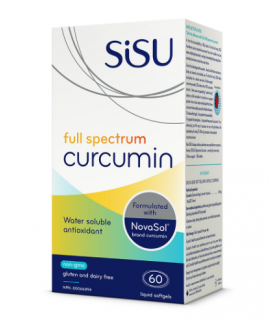
Full Spectrum Curcumin, 60 Liquid Soft Gels
Product Code : SU4107
An antioxidant in a patented, water-soluble form
-19% IN CART
- Hidden Deal In Cart
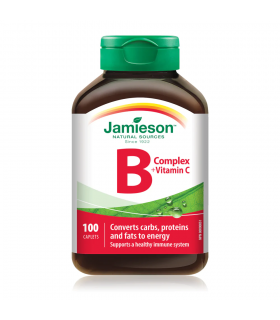
B-Complex + Vitamin C 100 Caplets
Product Code : JMS02015
Jamieson B Complex + Vitamin C provides essential B vitamins to help convert carbs, proteins, and fats to energy, and 500 mg of vitamin C per serving to help support a healthy immune system.
- -15%
- -15%
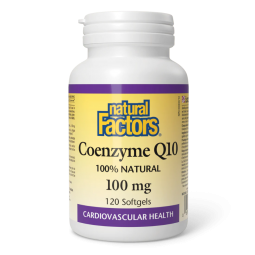
Coenzyme Q10 100% Natural 100 mg, 120 Softgels
Product Code : NFT02072
Promotes healthy heart function Plays a vital role in energy production An antioxidant for the maintenance of good health
- -40%
- -40%

PS Phosphatidylserine 100 mg, 120 Softgels
Product Code : NFT02626
Helps support brain function Helps support cognitive health Features a highly absorbable and stable form of PS that is 100% soy-free
- -15%
- -15%
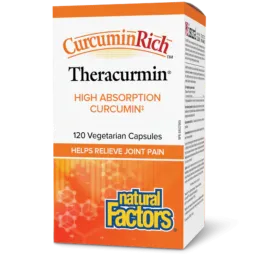
CurcuminRich Theracurmin, 120 Vegetarian Capsules
Product Code : NFT04539
One of the highest absorbed forms of curcumin Supports a healthy inflammation response Exerts antioxidant activity Helps relieve joint pain associated with osteoarthritis of the knee
-20% IN CART

AntiOxidant Formula 60 Capsules
Product Code : PUR01693
Broad-spectrum antioxidant protection throughout the bod Helps to maintain good health Convenient once-daily capsule format
-25% IN CART
- Hidden Deal In Cart

Rebalance (Menopause Relief) 60 Vegi Capsules
Product Code : PRC00150
Helps to relieve the symptoms associated with menopause such as: hot flashes night sweats paresthesia (itchy/tingly skin) fatigue
- Hidden Deal In Cart
- Out-of-Stock
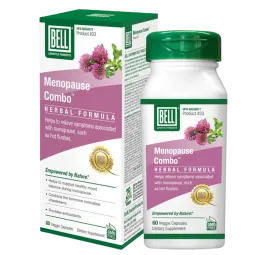
Menopause Combo 60 Veg Capsules
Product Code : BEL10914
Bell Lifestyle's Menopause Combo is an alternative natural remedy that helps regulate the hypothalamus/pituitary axis to support and restore hormonal balance for ideal levels of estrogen, progesterone, testosterone, DHEA and human growth hormone. Ideal for individuals experiencing hot flashes,...
- -10%
- -10%

Ultimate Omega 120 Softgels
Product Code : NRD72790
The #1-selling omega-3 in the U.S., Ultimate Omega offers concentrated levels of omega-3s for high-intensity essential fatty acid support. Ultimate Omega helps optimize immune function, supports brain health, and has been clinically shown to support a healthy heart.
-5% IN CART

Menopause Support 50 mL
Product Code : SFR00972
Our Menopause Support is a tincture formula that does what its name suggests. Namely, it helps relieve the symptoms associated with that difficult time of transition in a woman’s life. • Hinged on black cohosh, a herb with phytoestrogenic qualities that works on the endocrine regulatory system,...
-5% IN CART
- Out-of-Stock

Menopause 90 Capsuels
Product Code : VIA01003
This product has been especially developed to offer a natural support, without side effects, to women whose quality of life is disturbed by menopause discomforts. It can be used as from the moment when the menstrual cycle starts to become irregular with or without the appearance of the other...
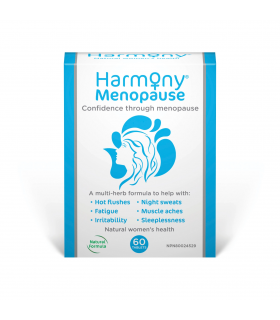
Harmony Menopause 60 Tablets
Product Code : HAR00002
To support women during peri-menopause and menopause Multiherb to relieve multiple symptoms Relives hot flushes Relieves sleeplessness and fatigue
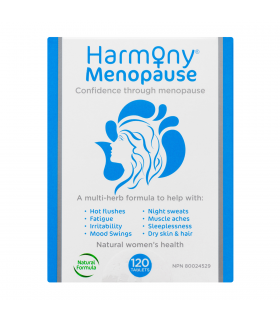
Harmony Menopause 120 Tablets
Product Code : HAR00014
To support women during peri-menopause and menopause Multiherb to relieve multiple symptoms Relives hot flushes Relieves sleeplessness and fatigue
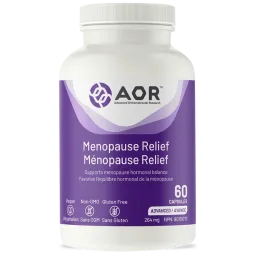
Menopause Relief 60 Capsules
Product Code : AOR04474
Addresses physical and mental symptoms associated with menopausal hormonal changes Estrogen balancing botanicals during peri and post menopause Affron® is a sustainably sourced saffron extract for mood balance FenuSMART ® a well-studied fenugreek seed extract for reducing symptoms associated...
-10% IN CART