

















Raising Your Temperature by 1 degree, Does It Double Your Immunity?
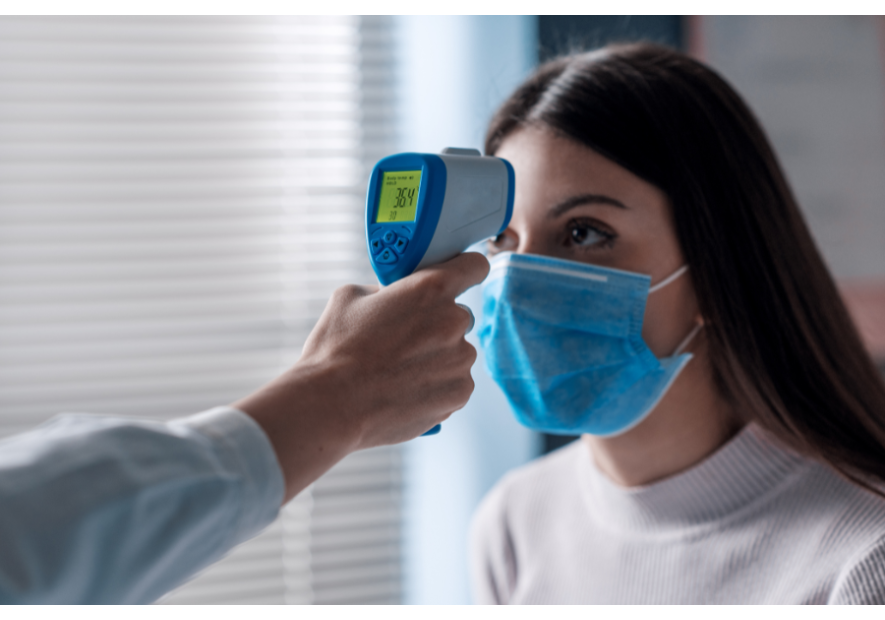
There is a study that says that when body temperature rises by 1 degree, immunity increases by up to 5 times, so there is a huge correlation between body temperature and health. When body temperature rises, the immune response to viruses and infectious diseases becomes stronger. This means that immune cells destroy viruses faster and work more actively. In winter, it becomes more difficult to regulate body temperature due to low temperatures and low moisture content in the air. This can affect the immune system. Let's learn about the relationship between body temperature and immunity in winter, the scientific principles of how body temperature rise affects immunity, the relationship between body temperature rise and blood circulation, and tips for raising body temperature when going out in winter.
Why Immunity Declines in Winter?
How 1 Degree of Temperature Increase Activates Immune Cells?
The Connection Between Body Temperature and Blood Circulation
Caution When Raising Body Temperature
Tips for Raising Your Body Temperature
Why Immunity Declines in Winter?
In winter, immunity and body temperature are closely related. The reason why people easily catch colds in the cold winter is because their immunity weakens as their body temperature drops. The normal body temperature of humans is about 36.5~37.0°C. When the body temperature drops by 1°C, the activity of immune cells (especially white blood cells and lymphocytes) can decrease by about 30% or more. This weakens the ability to defend against bacteria or viruses. When the body temperature drops due to cold weather, blood vessels constrict and blood circulation becomes poor, creating a better environment for pathogens such as colds and flu to become active. In addition, the dry environment and low temperature in winter weaken the mucous membranes of the nose and throat, making it easier for external pathogens to penetrate.
Maintaining the body temperature appropriately for winter health is essential to strengthening immunity. It is important to maintain body temperature by wearing several layers of thin clothing to increase body temperature and boost immunity, and especially to keep your head and feet warm. Minimize body temperature loss by wearing a hat, gloves, and scarf when going out. Strengthen immunity by eating foods rich in vitamins and minerals. In particular, eat plenty of fruits and vegetables rich in vitamin C, and drink warm soups, ginger tea, honey tea, etc. from time to time to raise your body temperature and keep your body warm. Light aerobic exercise (walking, stretching, etc.) raises your body temperature and improves blood circulation.
How 1 Degree of Temperature Increase Activates Immune Cells?
Increased body temperature enhances immunity by activating immune cells, suppressing pathogens, and promoting enzyme activity. There are several scientific principles that explain the positive effects of increased body temperature on immunity.
Increased enzyme activity:
Enzymes play an important role in immune responses and metabolic processes. When body temperature rises, enzyme activity increases, which promotes metabolism. This helps immune cells attack pathogens more effectively. Enzymes are most active at about 37°C, and become less effective when body temperature drops.
Activation of immune cells:
When body temperature rises, the activity of lymphocytes and white blood cells (especially T cells and natural killer cells, NK cells) increases. These cells detect and eliminate cells infected with viruses or bacteria. When body temperature rises, the production of a protein called interferon (IFN) increases in response to viral infections. This inhibits the spread of viruses and activates the immune system.
Improved blood circulation:
Increased body temperature improves blood circulation, which delivers oxygen and nutrients to cell tissues better. This helps immune cells reach pathogens more quickly. As blood circulation increases, waste discharge through the lymphatic system and kidneys increases, reducing the burden on the immune system.
Pathogen suppression:
The increase in body temperature inhibits the proliferation of pathogens. Many viruses and bacteria have difficulty reproducing in environments above 37°C. Therefore, when body temperature rises, it becomes difficult for pathogens to become active.
The Connection Between Body Temperature and Blood Circulation
The rise in body temperature directly affects blood circulation, which plays an important role in maintaining the health of our body. Just as a car engine needs to maintain an appropriate temperature to operate smoothly, when the body temperature rises, the blood vessels expand, allowing blood to circulate more smoothly, and oxygen and nutrients required by each organ are supplied more quickly to the entire body, activating cell functions. In addition, when the body temperature rises, the viscosity of the blood decreases, making blood circulation smoother and reducing the burden on the heart and blood vessels. It is similar to the principle that honey dissolves more easily when put in warm water.
When blood circulation is active, cells are sufficiently supplied with oxygen and nutrients, metabolism becomes active, and waste products and toxins are removed more effectively. This improves overall health and contributes to recovery from fatigue. When blood circulation is smooth, the burden on the heart to pump blood is reduced, which helps cardiovascular health. On the other hand, when blood circulation is not smooth, cells are not supplied with sufficient oxygen and nutrients, which can lead to chronic fatigue. When blood circulation is poor, the amount of blood going to the digestive organs decreases, which can cause problems such as indigestion and constipation. If blood circulation is not smooth, waste products such as lactic acid may accumulate in the muscles, which may cause muscle pain.
Caution When Raising Body Temperature
Raising body temperature can be effective in strengthening immunity, but if not approached correctly, side effects can occur. In particular, there are some things to be careful of as there is a risk of straining the body when trying to artificially raise body temperature.
Avoiding excessive body temperature increase:
If body temperature rises above 38°C, the body becomes stressed, and side effects such as dehydration, increased heart rate, and headaches can occur. Rather than being suddenly exposed to high temperatures, it is important to gradually raise body temperature so that the body can naturally adapt.
Adequate water intake:
Activities that raise body temperature (exercise, sauna, etc.) can cause excessive sweating, which can lead to dehydration. This has a negative effect on blood circulation and immunity. Drinking warm water or herbal tea can help raise body temperature while preventing dehydration.
Appropriate exercise intensity:
Excessive exercise can lower immunity and increase the risk of injury rather than raising body temperature. People with poor physical strength or health should choose an exercise intensity that is appropriate for their physical strength.
Get enough sleep:
Sleep deprivation lowers immunity and affects body temperature regulation. Get 7-8 hours of sleep a day.
Balance with the external environment:
If you take a heat therapy or a hot bath right away in the cold winter, the rapid temperature change can cause blood pressure fluctuations or lead to hypothermia. After activities that raise body temperature, you should wear warm clothes or pay attention to keeping warm so that the sweat cools and body temperature does not drop rapidly.
Tips for Raising Your Body Temperature
Maintaining or increasing body temperature when going out in winter is very important for maintaining health and immunity. Especially in cold environments, low body temperature can weaken immunity, so try the following methods.
Wear appropriate clothing:
Wearing multiple layers of clothing effectively maintains body temperature by creating air layers that act as insulation. When the wind is strong, body temperature loss increases, so wear windproof outerwear and cover your neck and ears completely. Wear waterproof shoes and outerwear, as your body temperature can drop rapidly when your clothes get wet from snow or rain. About 30% of body heat is lost from your head, neck, hands, and feet. Protect your peripheral areas with a hat, gloves, and scarf. Wearing a mask can help keep your face and nose warm, reducing body temperature loss.
Insulating shoes:
Your feet lose the most body heat, so you should take care to keep them warm. Your entire body can be warm only when your feet are warm, so wear well-insulated shoes.
Eat warm food:
Avoid being overly hungry or lacking energy before going out. Foods such as ginger tea, honey tea, warm soups, and porridge promote body heat production. Keep warm tea or water in a thermos and drink it frequently when going out. Alcohol may make you feel warm temporarily, but it actually lowers your body temperature, so it is better to avoid it.
Keep your body moving:
Movement promotes blood circulation and raises your body temperature. It is good to warm up your body by doing simple stretching or running in place. It is good to keep your body moving, such as clenching and unclenching your fists or rolling your feet alternately while walking.
Use a hot pack:
Keep your stomach, waist, hands, and feet warm by putting a hot pack in your pocket or clothes. Use heating insoles or wear thick socks to prevent your feet from getting cold.
source:
1. Can Winter Make You Sick?
https://www.nm.org/healthbeat/healthy-tips/can-winter-make-you-sick
2. Scientists Finally Figure Out Why You Get Sick in Cold
https://www.healthline.com/health-news/scientists-finally-figure-out-why-youre-more-likely-to-get-sick-in-cold-weather
3. Scientists finally know why people get more colds and flu in winter
https://www.cnn.com/2022/12/06/health/why-winter-colds-flu-wellness/index.html
4. Deciphering the relationship between temperature and immunity
https://academic.oup.com/discovimmunology/article/3/1/kyae001/7591951
5. Human thermoregulation and the cardiovascular system
https://pubmed.ncbi.nlm.nih.gov/22227198/

Leave a comment