











HMPV, The Hidden Winter Virus You Should Know About

As various respiratory infectious diseases spread in the winter, the number of patients infected with human metapneumovirus (HMPV) is increasing worldwide. Human metapneumovirus (HMPV) is a virus that is prevalent to a certain extent in children and the elderly every year, accounting for 2-3% of respiratory infections in children under 5 years of age. It causes a mild upper respiratory infection in most people, and the symptoms are generally indistinguishable from the flu. Below, we will learn about what HMPV is and how it is transmitted, the difference between HMPV and the common cold and flu, why HMPV is dangerous to infants, young children, and the elderly, and the best way to prevent HMPV infection.
What Is HMPV and How Does It Spread?
Why HMPV Is More Dangerous for Children and Seniors
How to Use Superfoods to Stay Energized
Best Ways to Prevent HMPV Infection
What to Do If You Get Infected with HMPV?
What Is HMPV and How Does It Spread?
Human metapneumovirus is a virus that causes respiratory infections. This virus was first discovered in the Netherlands in 2001 and can cause serious respiratory illnesses, mainly in children, the elderly, and those with weakened immune systems. HMPV is most prevalent in the winter months and symptoms are generally similar to those of a cold: cough, fever, sore throat, runny nose, and difficulty breathing. In children and the elderly, it can become severe. However, in most cases, HMPV infection clears up on its own.
HMPV can be transmitted when an infected person coughs or sneezes, releasing tiny droplets containing the virus into the air, which are then inhaled by others. It can also be transmitted by touching your eyes, nose, or mouth with hands contaminated with the virus. It can be transmitted to others by direct contact with an infected person (e.g., shaking hands, hugging) or by touching objects contaminated with the virus (e.g., doorknobs, toys, etc.). The incubation period is 5-9 days, and the recovery period is 7-14 days.
HMPV vs. Cold and Flu: Key Differences
HMPV (human metapneumovirus), cold, and flu are all respiratory diseases, but there are some differences.
The causative virus is metapneumovirus for HMPV, rhinovirus, coronavirus, and other various viruses for cold, and influenza virus (type A, type B) for flu. The incubation period is 3-6 days for HMPV, 1-3 days for cold, and 1-4 days for flu.
The main symptoms of cold are mainly the mildest symptoms such as runny nose, sneezing, and sore throat, while HMPV is more severe than cold and has a risk of pneumonia and bronchitis (mainly cough, shortness of breath, and wheezing). Flu has more severe symptoms than cold, including high fever, headache, muscle pain, fatigue, and shortness of breath. In other words, HMPV is a moderate respiratory virus that has more severe symptoms than cold, but is less dangerous than flu, and can develop into pneumonia.
Why HMPV Is More Dangerous for Children and Seniors
The immune system of infants and young children is not yet fully developed, so their resistance to viruses is low, and if they are infected, their symptoms are likely to be severe. Since the airways of infants and young children are narrower than those of adults, they are more likely to have difficulty breathing if inflammation and swelling occur due to HMPV infection. The immune system of the elderly is weakened due to age, and their resistance to viruses is weakened. The elderly often have chronic diseases (cardiovascular disease, lung disease, etc.), so they are at risk of worsening symptoms if infected with HMPV. HMPV can cause complications such as pneumonia and heart failure in the elderly, and in severe cases, it can lead to death. Therefore, it is important for these high-risk groups to maintain thorough personal hygiene to prevent HMPV infection and to seek prompt medical help if symptoms appear.
Best Ways to Prevent HMPV Infection
HMPV is transmitted through contact with infected people and through the air, so thorough hygiene management is the most effective prevention method. Since there is currently no vaccine or specific treatment for HMPV, preventing infection is the most important.
Wash your hands thoroughly:
Wash your hands frequently with soap and water for more than 20 seconds after going out, before eating, and after coughing or sneezing. If it is difficult to wash your hands, use an alcohol-based hand sanitizer.
Practice cough etiquette:
Cover your mouth and nose with a tissue or your sleeve when coughing or sneezing, and immediately throw away the used tissue.
Wear a mask:
Wear a mask in crowded places (hospitals, public transportation, nursing homes, etc.). If you have cold symptoms, wear a mask indoors as well.
Avoid contact with infected people:
Avoid close contact with people with symptoms such as coughing, runny nose, or fever, and avoid places with a high risk of infection or reduce contact with people as much as possible. Practice social distancing with infected people in households with children or the elderly.
Strengthen your immune system:
Strengthen your immune system through a balanced diet, drinking enough water, getting enough rest, managing stress, and exercising regularly.
Environmental management:
Ventilate indoor air frequently to reduce the concentration of viruses. Maintain indoor humidity at 40-60% as dry environments promote the spread of viruses. Clean and disinfect your surroundings to prevent the spread of viruses.
What to Do If You Get Infected with HMPV?
Most adults recover naturally within 1-2 weeks, but high-risk groups (infants, the elderly, and those with underlying diseases) need to be careful. You can manage and recover from HMPV infection by following the following coping methods.
Self-treatment:
Get enough rest so that your body can focus on fighting the virus. Drink plenty of water to stay hydrated. If you have a severe cough, you can drink warm water with honey or take cough syrup. If you have a high fever, you can take a fever reducer such as acetaminophen, and if your cough or pain is severe, you can use a pain reliever. However, it is important to consult a doctor before taking them. If your nasal congestion is severe, you can wash your nose with saline solution or use a nasal spray.
Hospital treatment:
If you have symptoms such as difficulty breathing, high fever (38.5℃ or higher) for more than 3 days, severe cough, dehydration, or chest pain, visit a hospital immediately for treatment. Infants, the elderly, and those with chronic diseases are at high risk for complications from HMPV infection, so it is recommended to visit a hospital and receive treatment from the early stage of symptoms.
Isolation and hygiene management:
Rest at home and avoid crowded places to avoid spreading it to others. Wash your hands frequently and cover your mouth and nose with your sleeve or tissue when coughing or sneezing, and thoroughly manage personal hygiene. If a family member is infected with HMPV, be careful not to infect other family members.
source:
1. Human metapneumovirus (hMPV) infection
https://www.who.int/news-room/questions-and-answers/item/human-metapneumovirus-(hmpv)-infection
2. Everything you need to know about human metapneumovirus (HMPV)
https://www.gavi.org/vaccineswork/everything-you-need-know-about-human-metapneumovirus-hmpv
3. How are HMPV symptoms different from common cold?
https://www.healthshots.com/preventive-care/self-care/similarities-and-differences-between-hmpv-and-common-cold/
4. HMPV in Children and Seniors: Signs and Care Guidelines
https://continentalhospitals.com/blog/hmpv-in-children-and-seniors-signs-and-care-guidelines/
5. HMPV Explained: Are You At Risk And How To Prevent It?
https://www.ndtv.com/health/hmpv-are-you-at-risk-can-you-prevent-it-7414094


Immune Renew, 90 Veg Capsules
Product Code : NOW83055
Used in Herbal Medicine to help maintain a healthy immune system Unique 8 Mushroom Blend Plus Astragalus Root Extract Vegetarian / Vegan
- -25%
- Out-of-Stock
- -25%
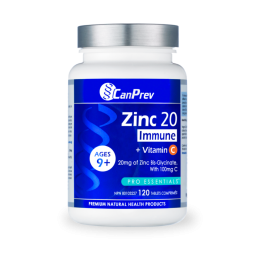
Zinc 20 Immune + Vitamin C 120 tablets
Product Code : CNP50250
20mg of highly absorbable zinc bis-glycinate With 100mg of vitamin C Immune support for 9yrs +
-20% IN CART
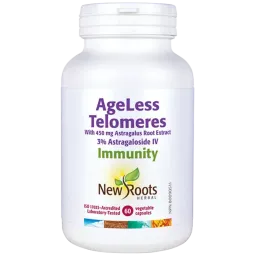
Ageless Telomeres Immunity 60 Capsules
Product Code : NRT01428
AgeLess Telomeres is a premium immune-enhancement formula which stimulates immune response and protects from oxidative stress.
-10% IN CART
- Hidden Deal In Cart
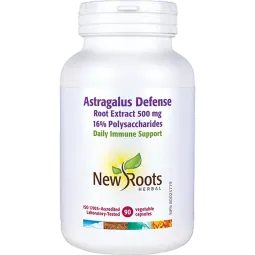
Astragalus Defense Root Extract 500 mg 16% Polysaccharides, 90 Veg Capsules
Product Code : NRT01157
Astragalus is a good adaptogenic; it helps reinforce and strengthen your immune system. Isolates within astragalus also contribute to vitality and antiaging. 8000-strength, high-polyphenol content powdered extract.
-10% IN CART
- Hidden Deal In Cart
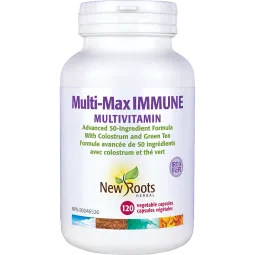
Multi-Max Immune Multivitamin 120 Capsules
Product Code : NRT00225
Multi-Max Immune provides vitamins, minerals, cofactors, amino acids, antioxidants, and immune-boosting nutraceuticals. The most comprehensive multivitamin/nutraceutical available.
-10% IN CART
- Hidden Deal In Cart
- Out-of-Stock
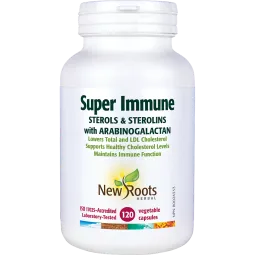
Super Immune Sterols & Sterolins with Arabinogalactan 120 Capsules
Product Code : NRT01195
Lowers Total and LDL Cholesterol Supports Healthy Cholesterol Levels Maintains Immune Function
-10% IN CART
- Hidden Deal In Cart
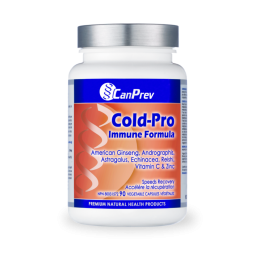
Cold-Pro Immune Formula 90 Vegi Capsules
Product Code : CNP00112
For colds, flus, and more Supports optimal immune function Speeds recovery
-20% IN CART
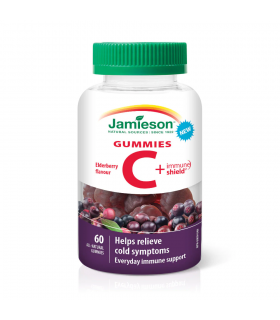
Vitamin C + Immune Shield Elderberry 60 Gummies
Product Code : JMS09202
Jamieson Vitamin C + Immune ShieldTM Gummies are a delicious, daily support for your immune system that also helps to relieve cold symptoms when you feel the signs of a cold.
- -15%
- -15%
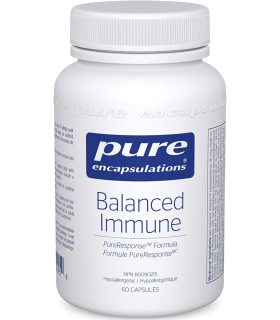
Balanced Immune 60 Capsules
Product Code : PUR02195
Formulated with Dr. Samuel F. Yanuck, an internationally recognized immunology thought leader and educator Foundational support for healthy immune response, bone health and antioxidant status Part of the PureResponse™ Immune Protocol for healthy immune balance and function Contains a blend of...
-25% IN CART
- Hidden Deal In Cart
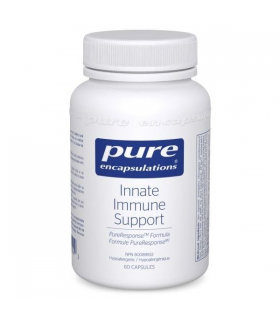
Innate Immune Support 60 Capsules
Product Code : PUR02194
Promotes healthy cellular immune response to support innate immunity Part of the PureResponse™ Immune Protocol for healthy immune balance and function Contains clinically researched AP-Bio™ andrographis Includes astragalus, which is used in Herbal Medicine to help maintain a healthy immune...
-25% IN CART
- Hidden Deal In Cart
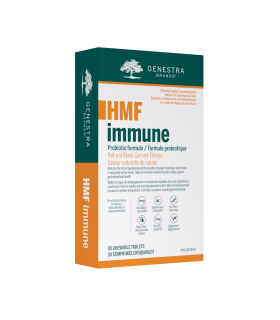
HMF Immune 30 Tablets
Product Code : GNS15190
Great-tasting adult's immune support formula Reduces the risk of developing and the duration of upper respiratory tract illness in physically active adults Offers 30 billion CFU per dose from a combination of five proprietary strains, plus vitamins C and D Once-daily chewable tablet available in...
-25% IN CART
- Hidden Deal In Cart
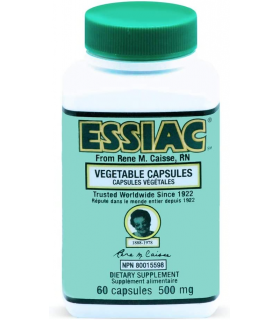
Essiac Immune System Support 60 Vegi Capsules
Product Code : ESA01894
ESSIAC® is an herbal formula which helps support the immune system*. Regular users may want to consider using the ESSIAC® program as guidance to ensure that a consistent regime is followed. Below are the daily suggested amounts, should you choose to follow the program.
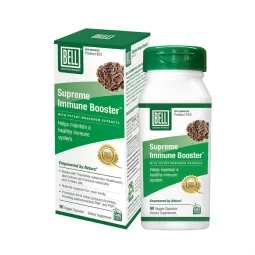
Supreme Immune Booster 90 Capsules
Product Code : BEL11012
Used in Herbal Medicine to help maintain a healthy immune system. Turkey tail mushroom extract. Made with Trametes versicolor mushroom, also known as Coriolus versicolor and turkey tail. Water extracted method. Provides 40% total polysaccharides, including science-backed *PSK...
- -10%
- Out-of-Stock
- -10%

Deep Immune Original 250 ml
Product Code : SFR00829
Strengthens the immune system, helping to prevent viral infections, colds & flu A unique formula comprised of 8 powerful adaptogens acts as shield to help prevent viruses from taking hold Canada’s #1 immune tonic, award-winning
-5% IN CART
- Out-of-Stock
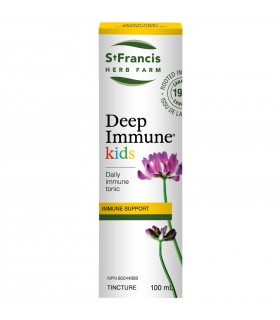
Deep Immune Kids 100 mL
Product Code : SFR00831
A mild-tasting children’s version of Deep Immune® Original Strengthens the immune system, helping to prevent viral infections, colds & flu Acts as a shield to help prevent viruses from taking hold Canada’s #1 immune tonic, award-winning
-5% IN CART

Immunity Strength 125 ml
Product Code : KID23003
Echinacea root extract 10:1 (Echinacea purpurea): Used in herbal medicine to help fight off infections, especially the upper respiratory tract. Copper (gluconate): Traditionally used in oligotherapy in the presence of infections or viral infections and influenza. Vitamin C: An antioxidant for...
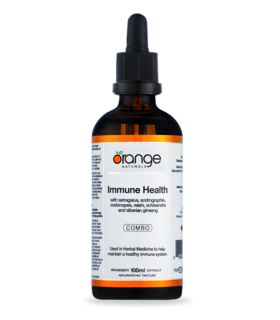
Immune Health Tincture 100 ml
Product Code : ORN00507
Immune Health helps to maintain a healthy immune system. Blend of traditional Chinese herbs used to strengthen the immune system. Immune Health combines astragalus, siberian ginseng, codonopsis, reishi, schisandra, and andrographis. Astragalus is an extraordinary root used to strengthen your...
-20% IN CART
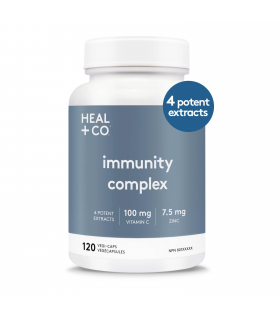
Immunity Complex 100 mg 120 Vegi Capsules
Product Code : HCO21948
HEAL + CO.’s mission is to help people benefit from the healing powers of nature’s most potent plants. All of our products are carefully chosen to meet our values of efficacy, purity and potency. Our Immunity Complex is formulated 6 powerful supplements that are renowned for their immune health...
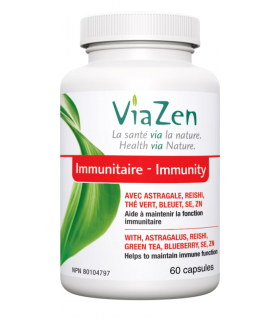
Immunity 60 capsules
Product Code : VIA72102
Helps prevent selenium and zinc deficiencies. Helps slow down the aging process. Promotes good vitality. Encourages an alkaline and anti- inflammatory. Supports biological functions that play a role key in maintaining good health.
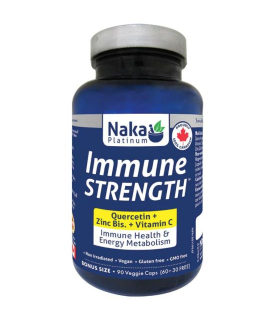
Platinum Immune Strength, Quercetin, Zinc and Vitamin C 90 vcaps
Product Code : NKA75091
Helps With Immune FunctionUsed In Herbal Medicine As A Capillary/Blood Vessel ProtectantHelps To Maintain Healthy Bones, Hair, Nail And/Or SkinSource Of Antioxidant That Helps Protect Cells Against Free RadicalsContains No Added Gluten, Nuts, Eggs, Animal Products, Dairy Products, Fish Or...
- -15%
- -15%

Immuno Berry 90 Vcapsules [Discontinued]
Product Code : CNP50300
Helps relieve symptoms and shorten the duration of upper respiratory tract infections Acts as a diaphoretic to promote sweating and relieve fever Promotes detoxification to relieve joint pain caused by arthritis Works as an adaptogen to increase energy and resistance to stress With maqui,...
- Out-of-Stock
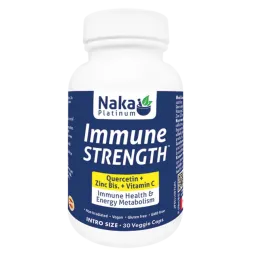
Immune Strength - 30 VCAPS
Product Code : NKA75092
Helps With Immune Function Used In Herbal Medicine As A Capillary/Blood Vessel Protectant Helps To Maintain Healthy Bones, Hair, Nail And/Or Skin Source Of Antioxidant That Helps Protect Cells Against Free Radicals Contains No Added Gluten, Nuts, Eggs, Animal Products, Dairy Products, Fish...
- -15%
- Out-of-Stock
- -15%
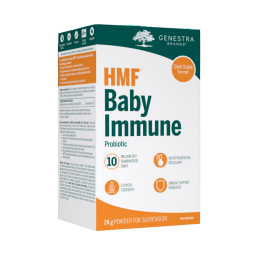
HMF Baby Immune 24 g
Product Code : GNS15671
Probiotic supplement to support the infant immune system Contains 10 billion CFU of Bifidobacterium animalis subsp. lactis (NCC 2818) Promotes gastrointestinal health Helps to reduce incidence of upper respiratory tract infection (URTI) symptoms Effective for both formula-fed and breastfed...
-25% IN CART
Leave a comment